Choosing the right battery voltage is one of the most important decisions for any RV or camper owner. Both 12V and 24V deep-cycle lithium systems have their place. Here is how to decide. For the full model range and sizing tables, see our 24V lithium battery range.
12V: the common RV system voltage
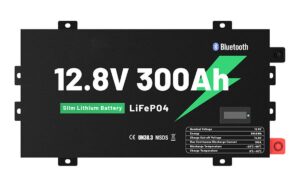
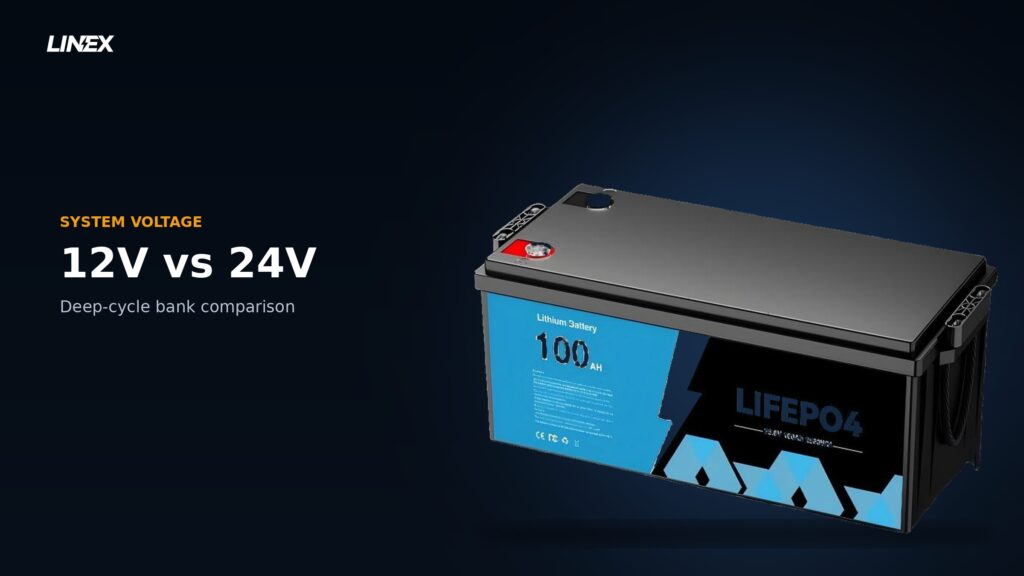
Most RVs are wired for 12V, so a 12V 100Ah LiFePO4 battery can retain the system voltage. Compatibility still depends on the charger, alternator or DC-DC charger, inverter settings, cable size, protection and physical installation.
24V: for bigger loads and longer runs
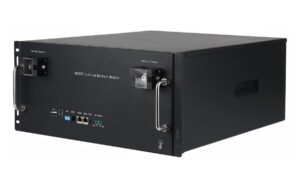
If you run larger inverters, air conditioners or higher-power appliances, 24V halves the current, reducing cable size and losses. It is also the natural choice for custom builds and electric trolling motors.
12V vs 24V for RV Systems
| Factor | 12V | 24V |
|---|---|---|
| Typical inverter size | Up to 2,000W | 2,000–5,000W |
| Cable size at same load | Thicker | Half the current, thinner cable |
| Device availability | Widest | Good for larger builds |
| Best for | Campervans, small trailers | Large RVs, big inverters, long runs |
Both share the same core benefits
Whatever voltage you choose, compare rated energy, BMS current, charger settings, cycle-life test conditions and installation dimensions. LINEX offers 12V and 24V deep-cycle models from 10Ah to 300Ah. Use the published specifications and measured load to select capacity.
Frequently Asked Questions
Yes, but the inverter, charger, DC-DC converters and some appliances must be replaced or reconfigured. It is cheapest to decide the voltage before building the electrical system.
Above about 2,000W of inverter load, 24V is usually better: half the current means thinner cables, less voltage drop and smaller fuses.
Only through a DC-DC converter. Lights, pumps and fridges rated for 12V should not be connected directly to 24V.