RV, Marine & Trolling LiFePO4 Batteries
Select a model for full specifications and features.
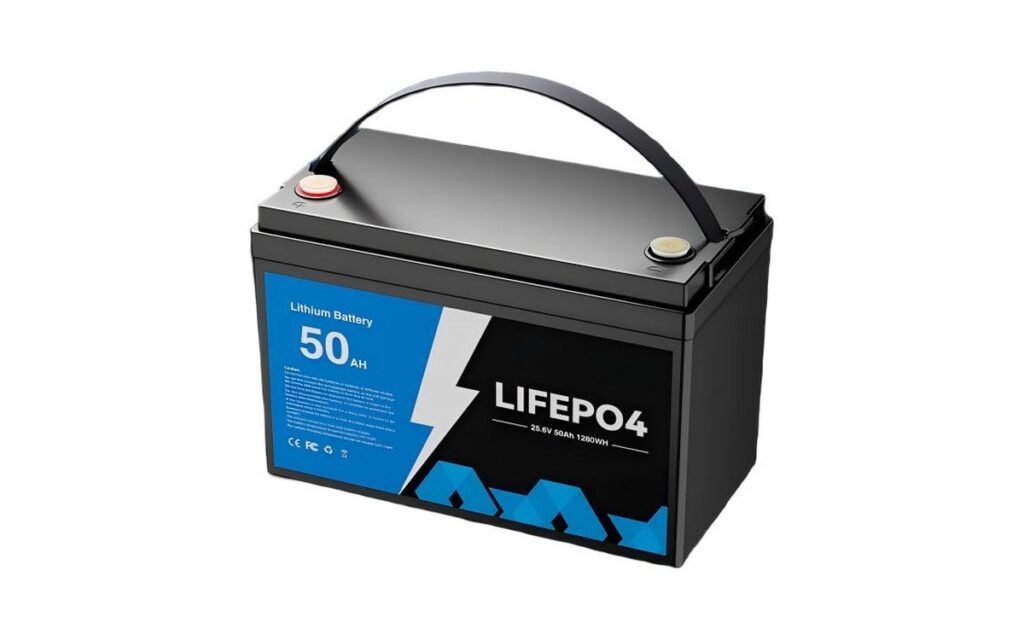
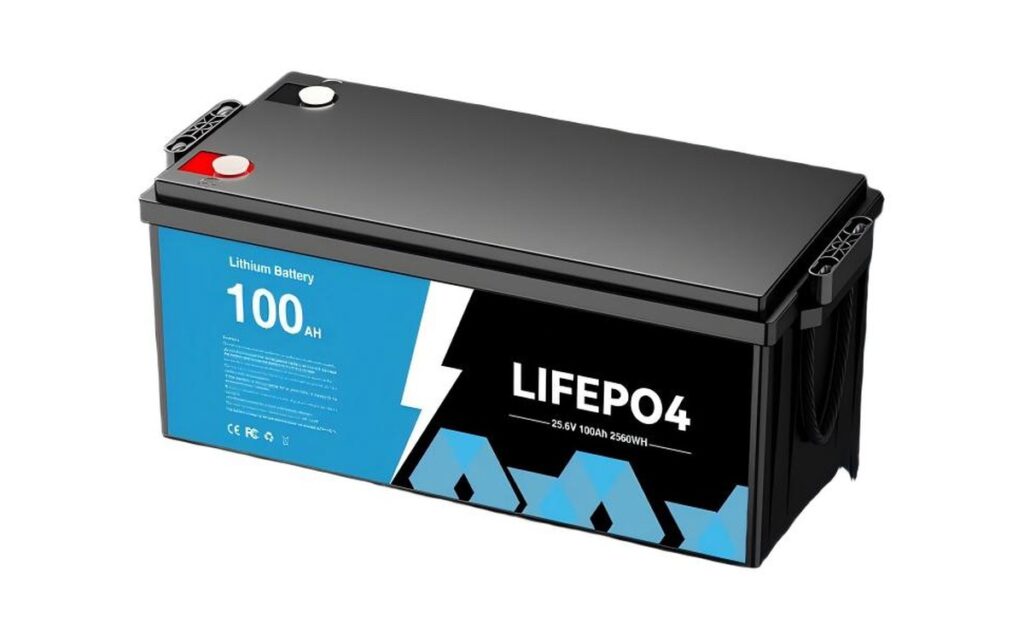
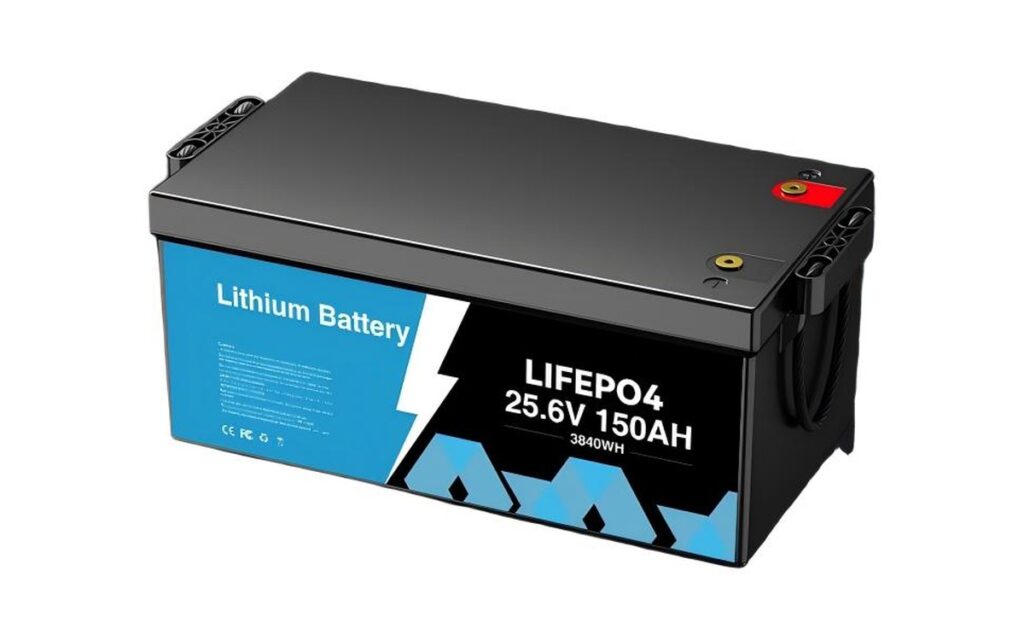
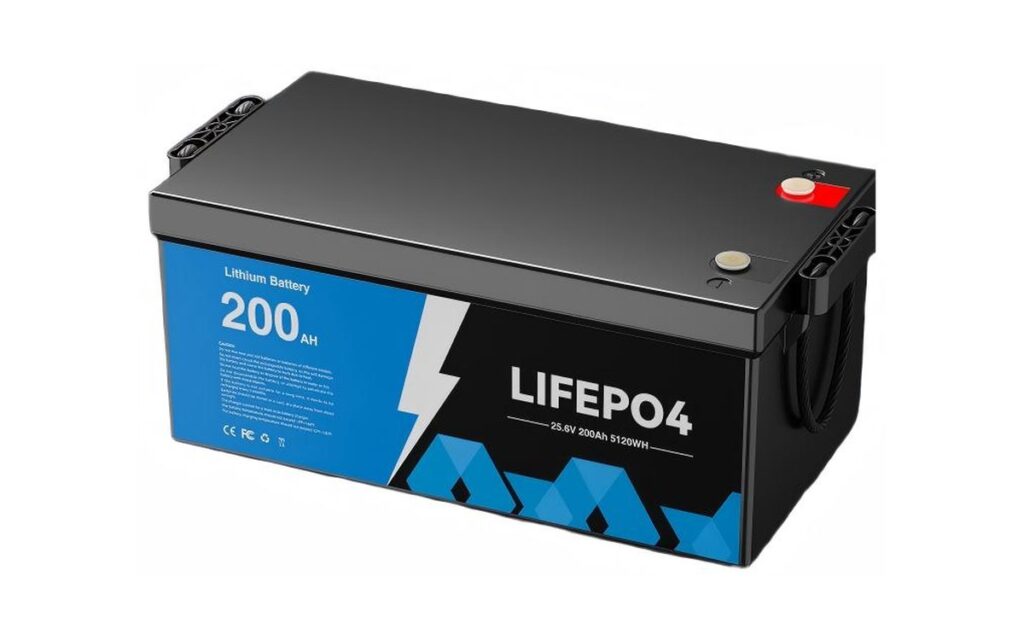
RV, Marine & Trolling Resources
Compare application requirements, system voltage, battery capacity, charger compatibility and available installation space before selecting a model.
Common FAQs
Match the battery voltage to the inverter, charger, alternator interface and DC loads. A 12V system is common for smaller RV and marine installations, while 24V reduces current for the same power level and can suit larger loads. Do not change voltage without checking every connected device.
Add the daily energy use of all loads in watt-hours, then include inverter losses, usable depth of discharge, temperature and reserve capacity. Divide required watt-hours by system voltage for an Ah estimate. Actual runtime depends on the load profile rather than battery capacity alone.
Replacement requires checking battery dimensions, terminals, charger profile, alternator or DC-DC charging, inverter settings, low-voltage protection and maximum current. A similar case size does not guarantee electrical compatibility. Confirm the complete system before replacing the existing bank.
Use a lithium-compatible alternator strategy or a suitable DC-DC charger. The LINEX 12V 100Ah Power Hub includes a 40A DC-DC charger for supported dual-battery installations. Input voltage, cable size, fusing and alternator capacity must be checked for the vehicle.
The standard deep-cycle pages do not publish a cold-cranking rating, so they should be selected for house-bank and onboard loads unless a model-specific starting-current specification confirms suitability. Keep engine-starting and house-bank functions separated when required by the vessel design.
Match the battery voltage to the motor's rated system voltage and size capacity from actual current draw and required operating time. The dedicated 12V 100Ah trolling model includes a 100A BMS and LCD display. For 24V motors, consider a native 24V battery where appropriate.
Series or parallel operation must be supported by the selected model and BMS. Use identical batteries with matched age, state of charge, cabling and protection. Confirm maximum series or parallel quantity, charger compatibility and balancing requirements before installation.
Provide the application, system voltage, load or motor rating, required operating time, charger and alternator details, inverter size, installation space, terminal preference, quantity and destination. These inputs are needed to confirm the model and electrical configuration.