Telecom Remote Sites & Off-Grid Base Stations: 48V Battery Backup
48V telecom battery systems for base station backup — rack, Smart DC-DC, IP65 pole-mount and cabinet options.
Short answer: Telecom remote sites run on 48V DC. LINEX supplies 48V 50–200Ah LiFePO4 batteries, smart DC-DC units and IP65 outdoor cabinets. A 100Ah pack gives about eight hours at a 400W site load, and cabinets are sized for 6U–26U of rack space with thermal management for high-temperature sites.
48V Telecom Battery Systems for Base Station Backup
This page covers remote, off-grid and poor-grid sites — solar hybrid, generator-assisted and long-autonomy installations. For grid-connected macro sites and step-by-step battery selection, start with the 48V telecom battery selection guide.
A 48V telecom battery provides dependable DC backup for communications infrastructure when grid power is unavailable or unstable. LINEX supplies 48V LiFePO4 batteries for telecom integrators, TowerCos, EPC contractors, distributors, and project procurement teams seeking a telecom base station backup battery or lithium battery for telecom tower deployment. Available configurations support indoor racks, outdoor cabinets, and space-constrained pole-mounted sites.
The range includes Standard and Smart models built with Grade-A EVE or CATL cells and rated for 6,000+ cycles. Standard batteries support RS485/RS232 communication, while Smart batteries support CAN/RS485 for site monitoring and power-system integration. Applicable certifications include UN38.3, CE, RoHS, and FCC; documentation and model-specific requirements should be confirmed during project evaluation.
Choose the Right 48V Telecom Battery
Select the battery format according to the site load, required backup duration, available rack or cabinet space, rectifier voltage, installation environment, and expansion plan. The table below provides a practical starting point without assuming a fixed backup time.
| Battery model | Configuration | Suitable applications | Product |
|---|---|---|---|
| Standard 48V 50Ah | Standard LiFePO4 battery | Small telecom nodes, compact indoor racks, and capacity expansion where cabinet space is limited | View Standard 48V 50Ah |
| Standard 48V 100Ah | Standard LiFePO4 battery | Base stations, transmission sites, indoor network rooms, and conventional lead-acid replacement projects | View Standard 48V 100Ah |
| Standard 48V 150Ah | Standard LiFePO4 battery | Sites requiring more usable capacity per battery unit, subject to rack space and load calculations | View Standard 48V 150Ah |
| Standard 48V 200Ah | Standard LiFePO4 battery | Higher-load base stations, shared telecom sites, and systems designed for larger backup capacity | View Standard 48V 200Ah |
| Smart 48V 100Ah | Smart DC-DC LiFePO4 battery | Phased site upgrades and engineered hybrid expansion with existing lead-acid banks | View Smart 48V 100Ah |
| Smart 48V 150Ah | Smart DC-DC LiFePO4 battery | Medium-capacity modernization projects requiring controlled output and system communication | View Smart 48V 150Ah |
| Smart 48V 200Ah | Smart DC-DC LiFePO4 battery | High-capacity expansion and hybrid deployments subject to rectifier and protection-system review | View Smart 48V 200Ah |
| IP65 Pole-Mounted 48V 50Ah | Outdoor pole-mounted LiFePO4 battery | Distributed radio units, small remote sites, roadside equipment, and installations without an equipment shelter | View IP65 Pole-Mounted 48V 50Ah |
Telecom Site Load and 48V Capacity
| Site DC load | 4 hours | 8 hours | 12 hours |
|---|---|---|---|
| 400W | 50Ah | 100Ah | 150Ah |
| 800W | 100Ah | 150–200Ah | 200Ah + parallel |
| 1,200W | 150Ah | 200Ah + parallel | 2 x 200Ah |
Calculated at 90% usable depth of discharge and 95% rectifier/inverter efficiency, then rounded up to standard 48V capacities. Add 20% capacity margin for aging and high-temperature sites.
How to Size Backup Capacity
Start with the average and peak DC load of the complete site, including radio equipment, transmission equipment, controllers, and other loads that must remain online. The basic sizing relationship is:
required kWh = site load (kW) × backup hours ÷ usable system efficiency
Usable system efficiency should account for conversion losses and the permitted depth of discharge rather than using nominal battery energy alone. The final design should also include allowances for ambient temperature, expected capacity aging, battery management limits, cable losses, and the reserve margin required by the operator.
For parallel expansion, confirm that the selected models, firmware, state of charge, protection settings, cables, busbars, and current-sharing design are compatible. The rectifier or UPS charging range, low-voltage disconnect settings, maximum charge current, and communication protocol must also be checked before selecting battery quantity. Actual backup time depends on site load and usable battery capacity.
Outdoor Telecom Battery Cabinet Integration
An Outdoor Telecom Cabinet can combine batteries with site power and communications equipment, while an Indoor Telecom Cabinet supports protected equipment-room and shelter installations. Cabinet selection should be coordinated with the battery dimensions, total weight, rack layout, cable entry, and maintenance procedures.
For outdoor projects, review the required IP protection level, resistance to dust and rain, exposure to salt spray or corrosive environments, ventilation, thermal management, anti-theft measures, grounding, maintenance clearance, and front or rear service access. Cable routing should separate power and communication lines where required and provide suitable strain relief, sealing, overcurrent protection, and grounding.
Monitoring and alarm interfaces should be matched to the site controller, rectifier, or network management system. RS485 and CAN are available, subject to model and project configuration. Fans, air conditioning, heaters, and other thermal-management equipment are project options and must be confirmed according to the ambient conditions, heat load, cabinet arrangement, and customer specification. No fixed cooling capacity or HVAC configuration should be assumed without an engineering review.
At a 400W site load, about eight hours; at 800W, about four hours. Real runtime falls in high-temperature cabinets, so many operators size for the worst-case summer load rather than the annual average.
Usually yes, if the rectifier’s float and equalization voltages are set for lithium and the cabinet has space for the smaller pack. The BMS must be able to talk to the site controller, or at least report alarms through dry contacts.
Standard units provide protection and RS485 telemetry; smart units add active balancing, more detailed state-of-health data and CAN communication with the site controller. Smart units cost more but simplify remote monitoring.
Why Telecom Networks Use 48V DC
48V DC is widely used as a telecom power-bus standard because it offers a practical balance between distribution efficiency, manageable current, electrical safety considerations, and compatibility with established rectifiers and network equipment. Existing telecom infrastructure is often designed around a nominal 48V battery system, although actual charging and operating voltages vary by equipment and battery chemistry. Compatibility should therefore be verified from the rectifier, UPS, load, and protection specifications rather than from nominal voltage alone.
Can LiFePO4 Replace Lead-Acid at Existing Sites?
LiFePO4 can replace lead-acid batteries at many existing telecom sites, but a standard 48V replacement requires an engineering check. Confirm the rectifier charging voltage and current, battery BMS limits, low-voltage disconnect settings, cable size, connectors, fuses or breakers, grounding, rack dimensions, and communication requirements before installation.
Standard models are suited to projects where the existing power system is compatible with the lithium battery operating window. Smart models include DC-DC functionality, can provide output up to 57V, and are intended for phased expansion or engineered hybrid operation with older lead-acid banks. Mixed-chemistry operation is site-dependent and must be validated against the rectifier logic, load profile, protection coordination, and monitoring system.
VRLA vs LiFePO4 for Telecom Backup
Most sites still run VRLA, and the replacement case is rarely about cycle life alone. The table compares a 48V 100Ah equivalent, which is the usual swap for a 200Ah VRLA string because lithium can use most of its capacity.
| Parameter | VRLA 48V 200Ah | LiFePO4 48V 100Ah |
|---|---|---|
| Usable energy | ≈9.6 kWh at 50% DoD | ≈4.6 kWh at 90% DoD |
| Weight | ≈280 kg | ≈43 kg |
| Cycle life | 300–500 | ≥6,000 |
| Float / equalise | 54.0V float, 56.4V equalise | 51.0V float, 53.3V absorption |
| Maintenance | Terminal checks, water top-up on flooded | None |
| Temperature | Derates above 25°C | Charges 0–65°C |
The rectifier settings must change with the chemistry. A plant left at 54.0V float will hold a lithium pack above its recommended 51.0V float, which shortens life; set absorption to 53.3V, float to 51.0V and low-voltage disconnect to 40.5V, then confirm the rectifier’s alarm thresholds still make sense.
Recommended 48V Telecom Battery Products
Compare Standard, Smart, and IP65 pole-mounted configurations for new base stations, network upgrades, and remote-site backup projects.
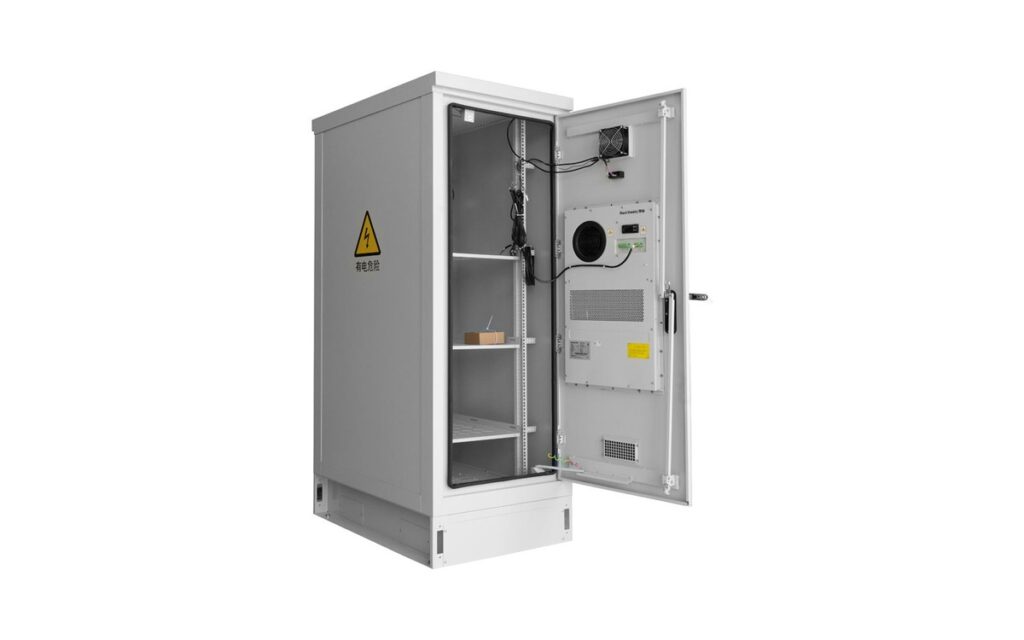 IP65 Outdoor Telecom Battery Cabinet
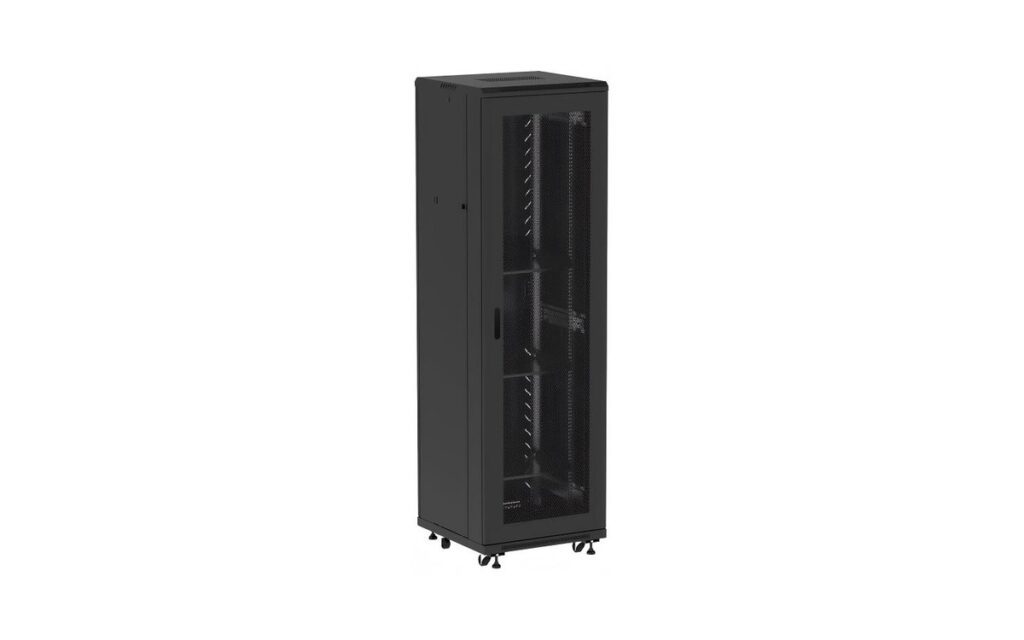 Indoor Telecom Cabinet
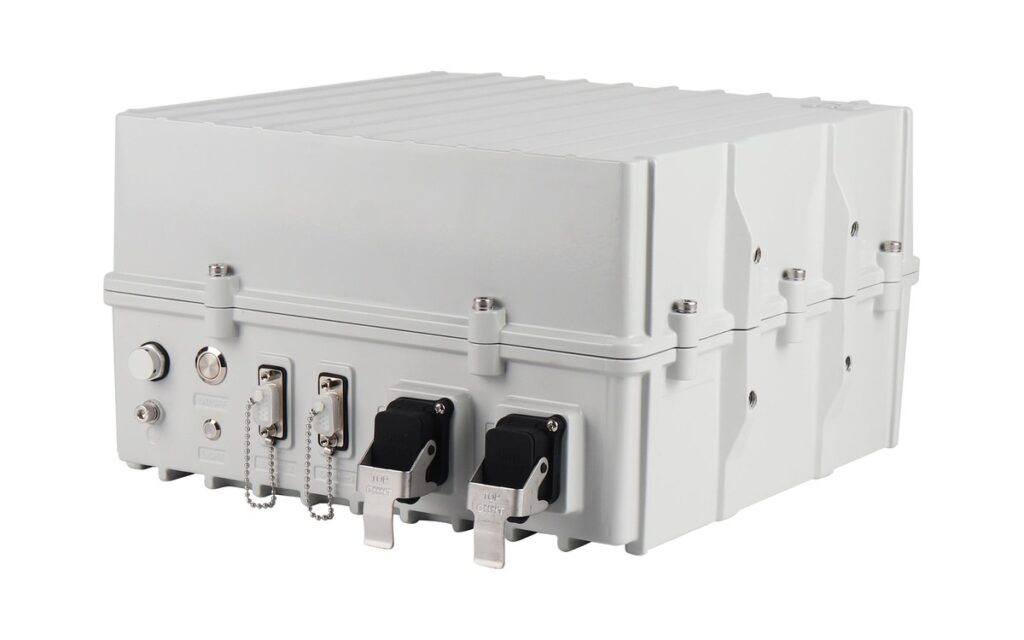 IP65 Pole-Mounted 48V 50Ah Telecom Battery
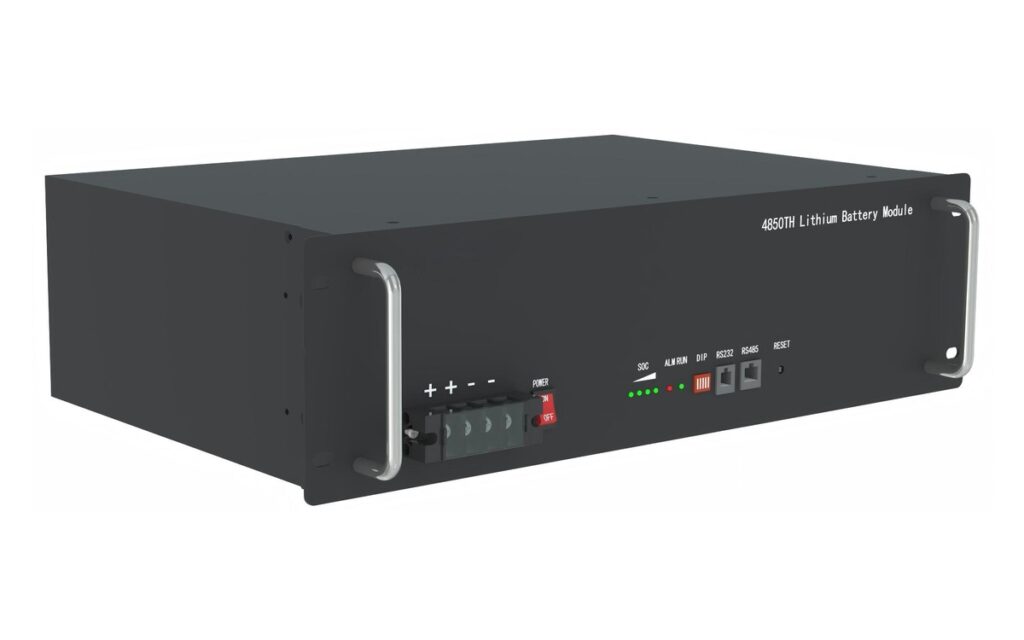 Standard 48V 50Ah LiFePO4 Battery for Telecom Sites
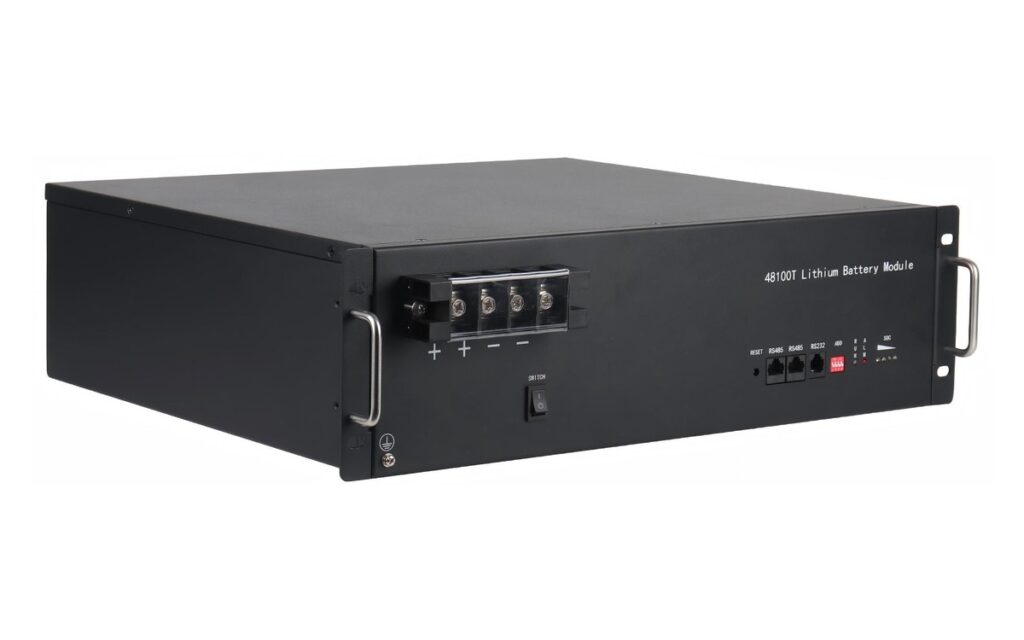 48V 100Ah Telecom LiFePO4 Battery
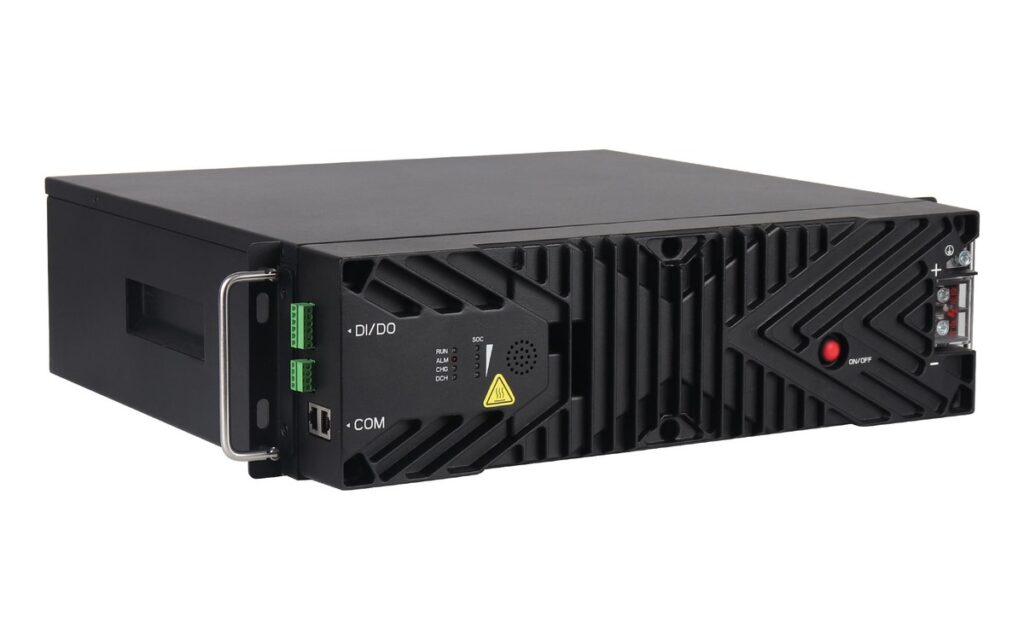 Smart 48V 100Ah Telecom LiFePO4 Battery
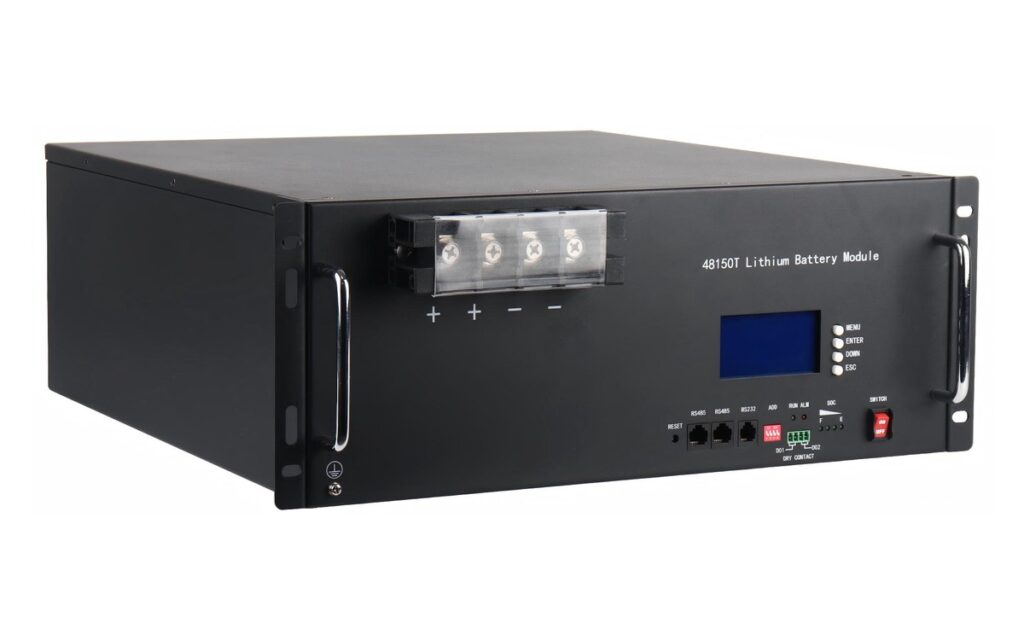 48V 150Ah Telecom LiFePO4 Battery
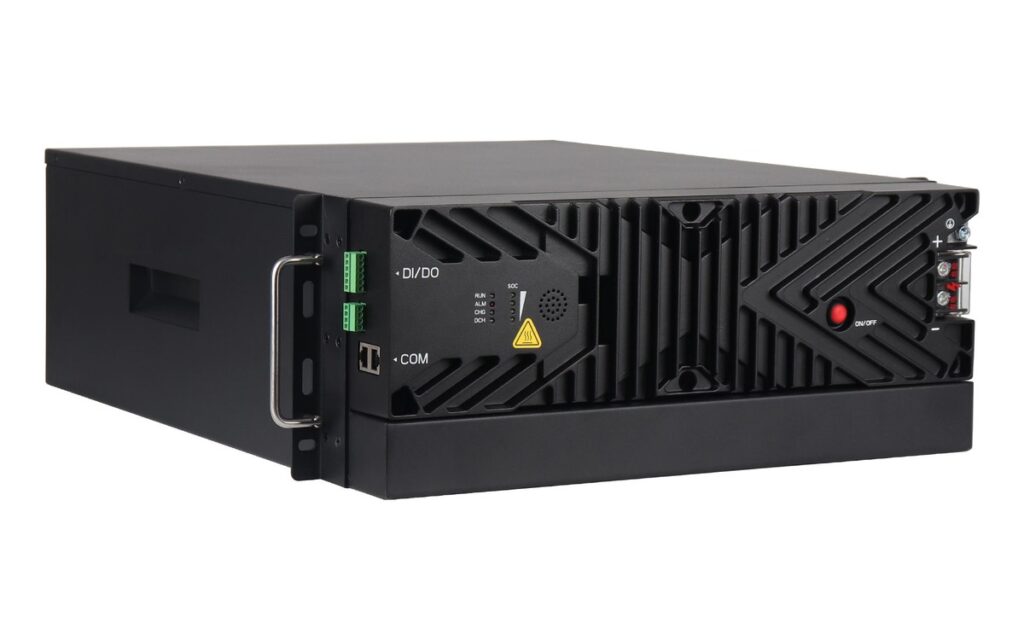 Smart 48V 150Ah Telecom LiFePO4 Battery
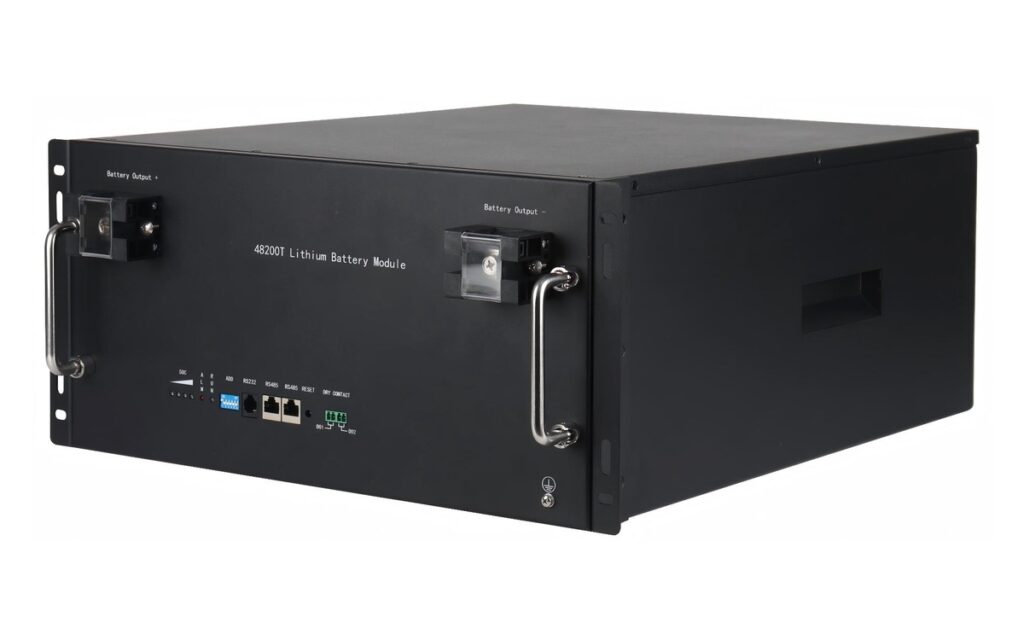 48V 200Ah Telecom LiFePO4 Battery
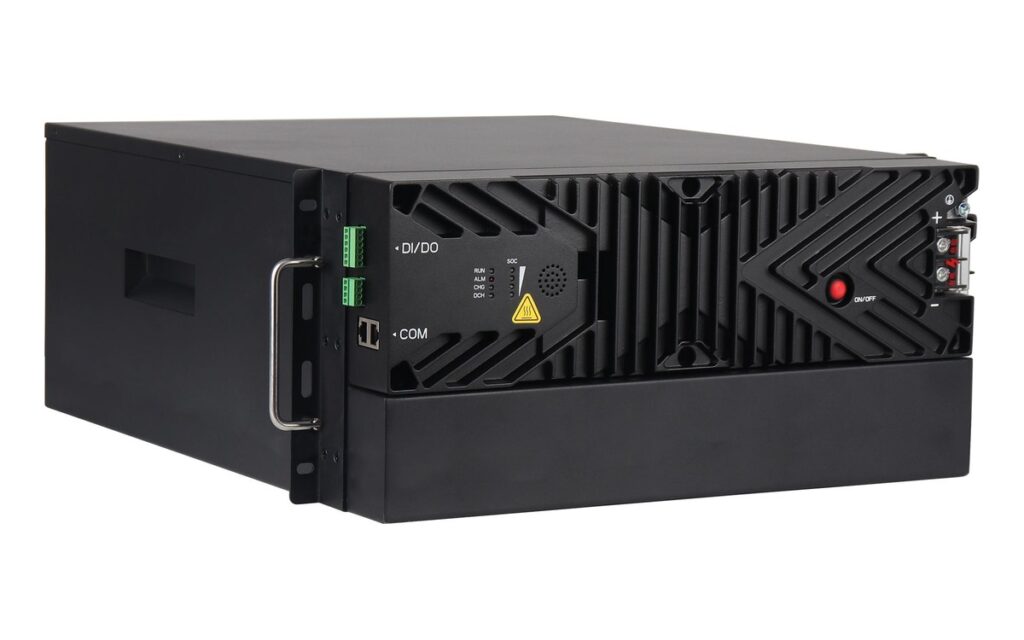 Smart 48V 200Ah Telecom LiFePO4 Battery
48V Telecom Battery FAQ
A telecom battery stores energy for base stations, transmission equipment, network cabinets, and remote communications sites. It supplies DC power when the grid, generator, rectifier input, or another primary source is unavailable. LiFePO4 batteries are used where long cycle life, lower weight, integrated BMS protection, and monitoring capability are required.
Nominal 48V DC is a widely adopted telecom power standard. It provides a practical balance of distribution efficiency, current level, safety considerations, and compatibility with existing rectifiers and network loads. Actual system voltage varies during charging and discharge, so equipment limits still need to be checked.
Choose capacity from the measured site load, required backup hours, usable depth of discharge, system efficiency, temperature, aging reserve, and future expansion requirements. Available options include Standard 50Ah, 100Ah, 150Ah, and 200Ah models, Smart 100Ah, 150Ah, and 200Ah models, and an IP65 pole-mounted 50Ah model.
Backup time depends on the site’s actual load and the usable capacity of the installed battery system. Calculate the required energy from load multiplied by backup hours, then allow for depth of discharge, conversion losses, temperature, and aging. A fixed backup duration cannot be assigned from the Ah rating alone.
Parallel expansion may be possible when the battery model and system design support it. Confirm battery compatibility, maximum parallel quantity, state of charge, firmware, communication, cable length, busbar rating, overcurrent protection, and current sharing before commissioning.
RS485 and CAN communication are available for integration with compatible rectifiers, site controllers, or network management systems. Protocol details, data points, connectors, and alarm requirements should be specified during project selection.
Review IP protection, dust and rain exposure, salt spray or corrosion risk, thermal management, ventilation, anti-theft design, cable sealing, grounding, alarm interfaces, and maintenance access. Fans, air conditioning, heaters, and related thermal options must be confirmed for each project’s environment and heat load.
The IP65 Pole-Mounted 48V 50Ah Lithium Battery is intended for compact outdoor and distributed telecom installations. The mounting structure, wind loading, cable route, grounding, exposure conditions, load profile, and required backup capacity should be reviewed for each site.
Telecom sites rely on uninterrupted DC power for critical equipment. The battery bank supports the load during grid outages, while rectifiers manage charging during normal operation. Battery sizing, monitoring and temperature behaviour affect available runtime, maintenance planning and site reliability, so these factors should be evaluated when specifying a 48V telecom backup system.
Related Reading
Browse all 48V telecom batteries and cabinets, including Standard, Smart, pole-mounted, indoor and outdoor configurations.
For further project planning, read How to Choose a 48V Telecom Battery for a Base Station, 48V Telecom Backup: How Long Will Your Battery Last?, 48V Telecom Lithium Batteries: Keeping Base Stations Online, and Parallel Expansion, Rack & Cabinet Planning.
For the retrofit sequence, read 48V telecom site retrofit: moving from lead-acid to LiFePO4.
For battery selection and system matching, provide the site load, required backup hours, rectifier or UPS voltage range, installation type, ambient temperature, and project quantity. Request a Telecom Battery Quote.
Need a reliable LiFePO4 battery supplier?
Wholesale pricing · OEM/ODM · Flexible MOQ · Global shipping