48V Telecom Batteries & Cabinets
Select a model for full specifications and features.
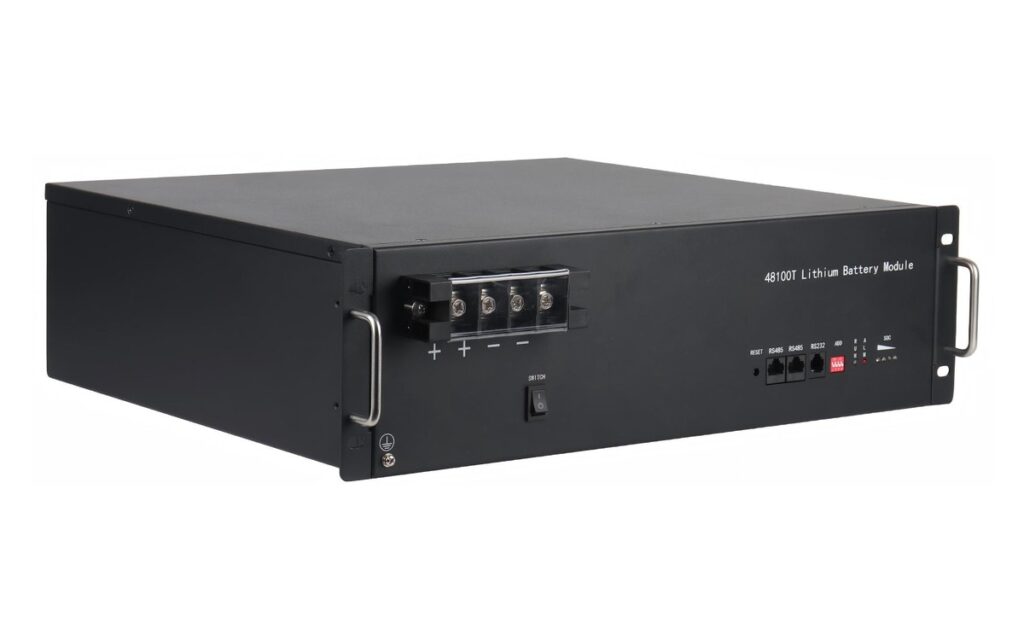
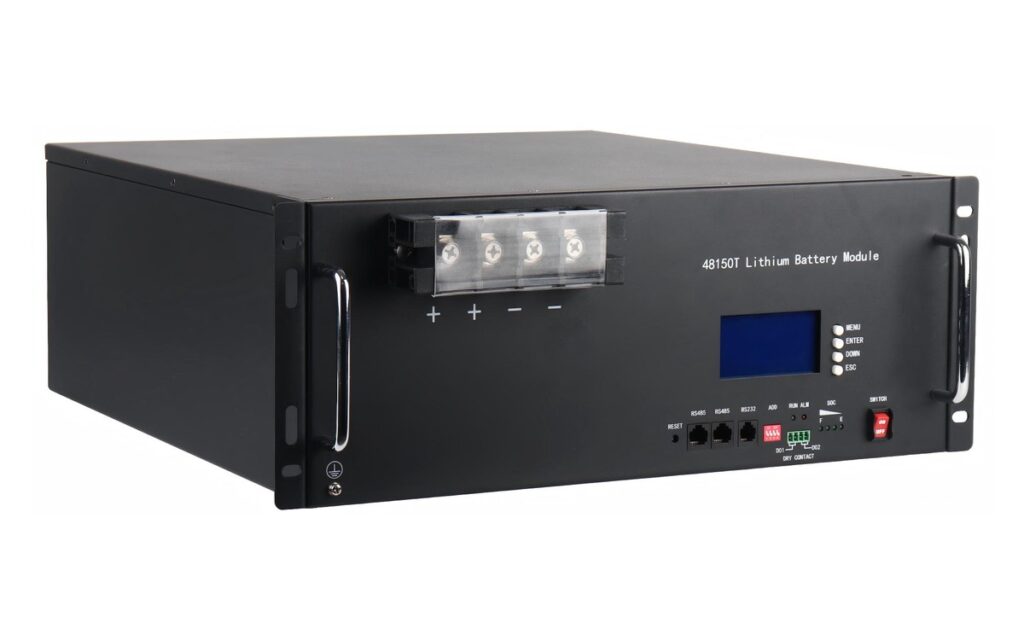
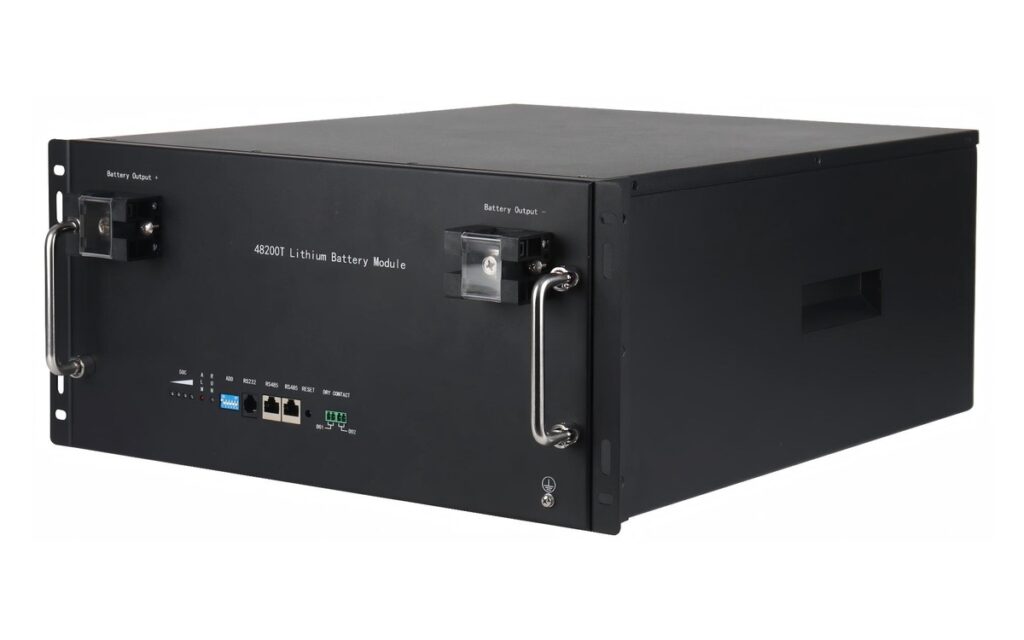
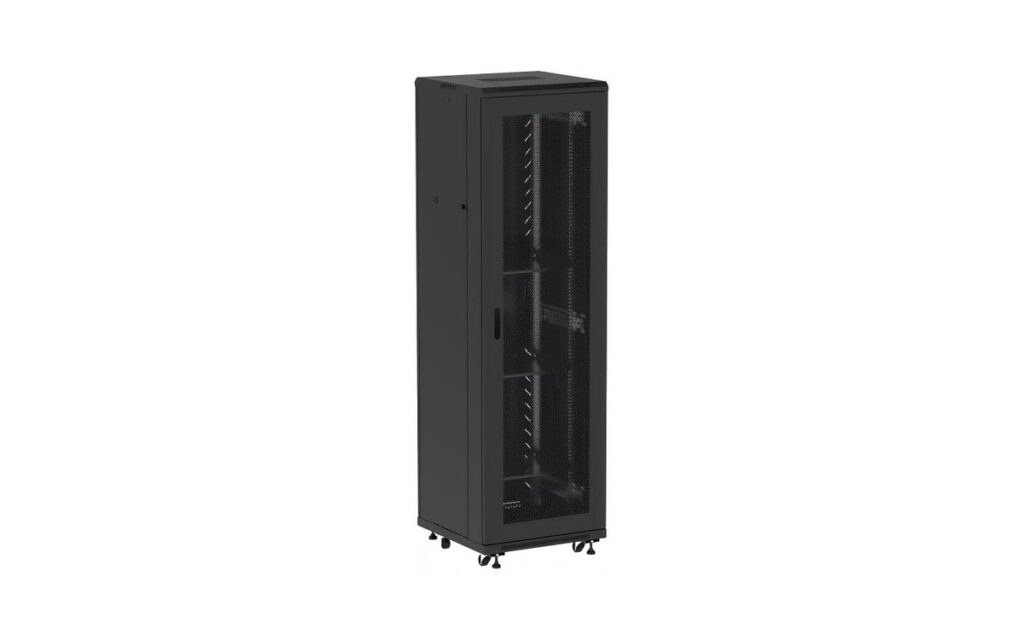
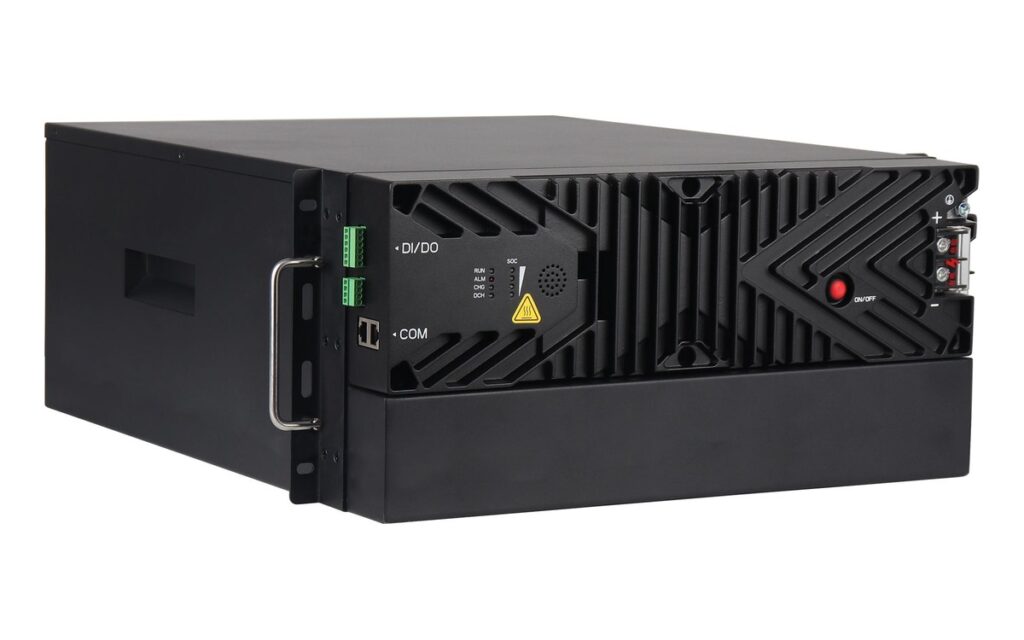
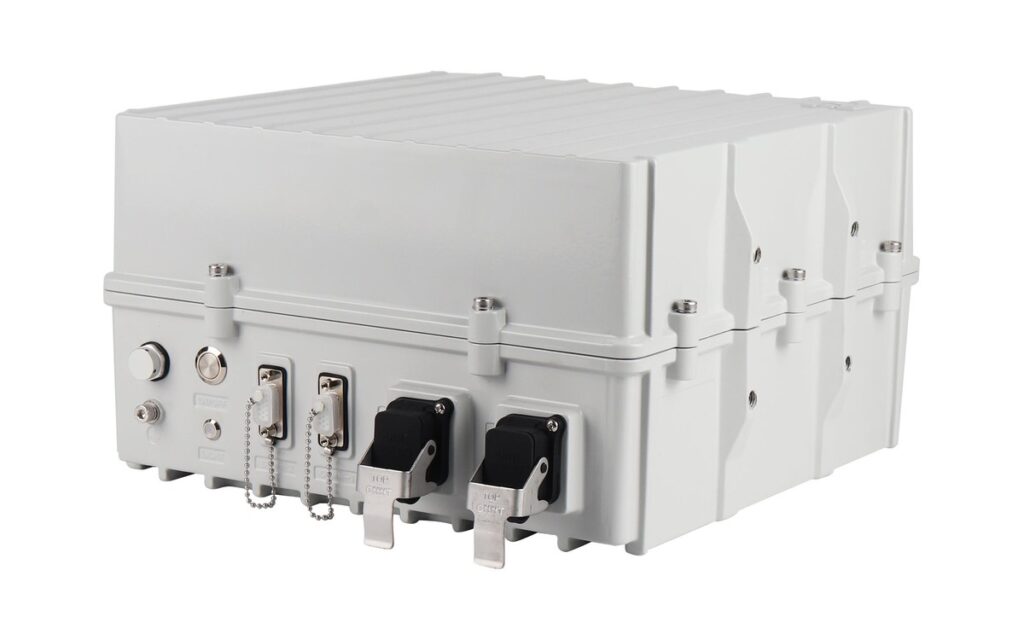
Standard 50-200Ah rack batteries, Smart 100-200Ah DC-DC models, an IP65 pole-mounted 50Ah unit, and indoor or outdoor telecom cabinets. Standard batteries support RS485/RS232; Smart batteries support CAN/RS485.
Telecom Engineering Resources
Use the application page and technical guides to compare installation formats, calculate backup capacity and prepare a complete project inquiry.
Common FAQs
Choose from the measured site load, required backup hours, rectifier or UPS voltage range, available rack or cabinet space, ambient temperature and expansion plan. Standard models cover 50-200Ah, Smart DC-DC models cover 100-200Ah, and an IP65 pole-mounted 50Ah unit serves exposed compact sites.
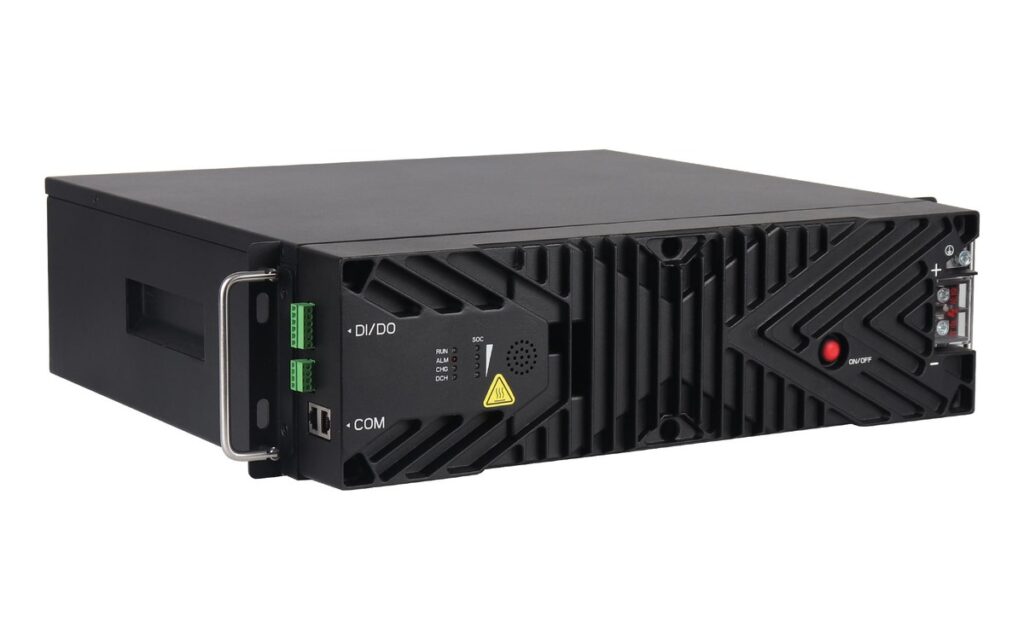
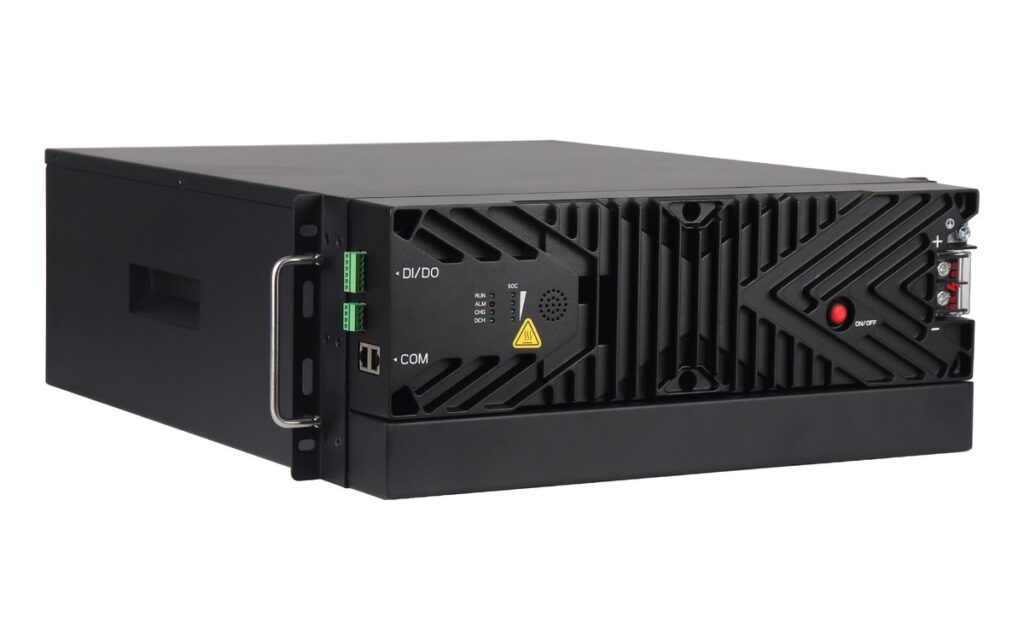
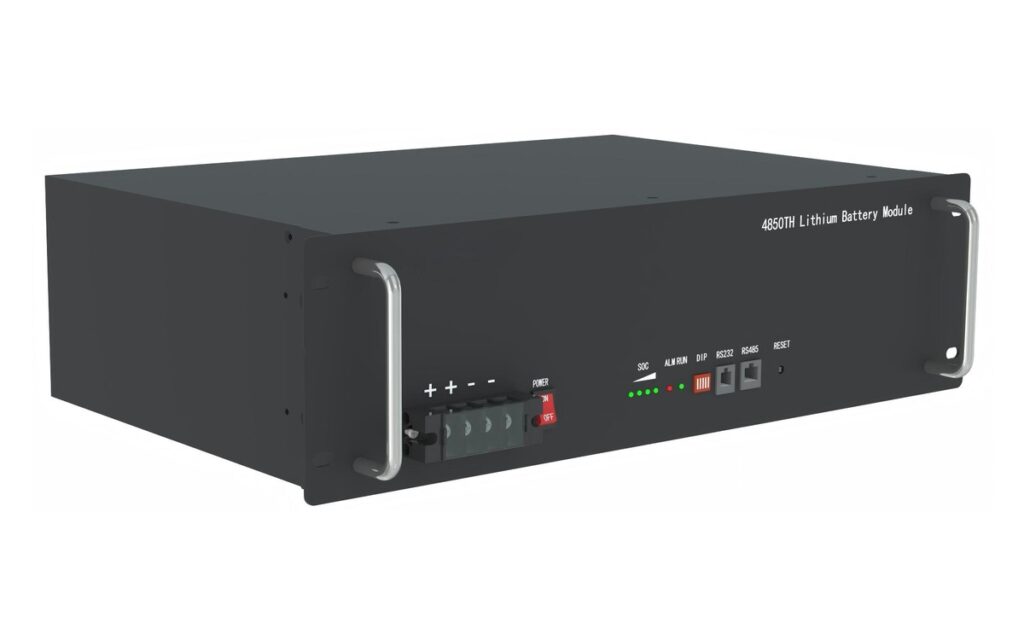
Standard batteries are rack-mounted 48V LiFePO4 modules for systems compatible with their charging and protection limits, with RS485 and RS232 communication. Smart models add a DC-DC converter with controlled output up to 57V for engineered phased upgrades and support CAN and RS485 communication.
Start with site load in kilowatts multiplied by required backup hours, then account for usable system efficiency, depth of discharge, temperature, cable losses and aging reserve. Actual runtime depends on the complete load profile and cannot be assigned from the Ah rating alone.
Replacement is possible after checking rectifier charging voltage, current limits, low-voltage disconnect, cables, breakers, rack dimensions and monitoring requirements. Smart models can support engineered hybrid expansion, but mixed chemistry operation must be validated against the site's power logic and protection coordination.
Standard telecom lithium batteries use RS485 and RS232 communication. Smart telecom lithium batteries use CAN and RS485. Confirm the connector, protocol, register map and alarm requirements for the rectifier, site controller or monitoring platform during project review.
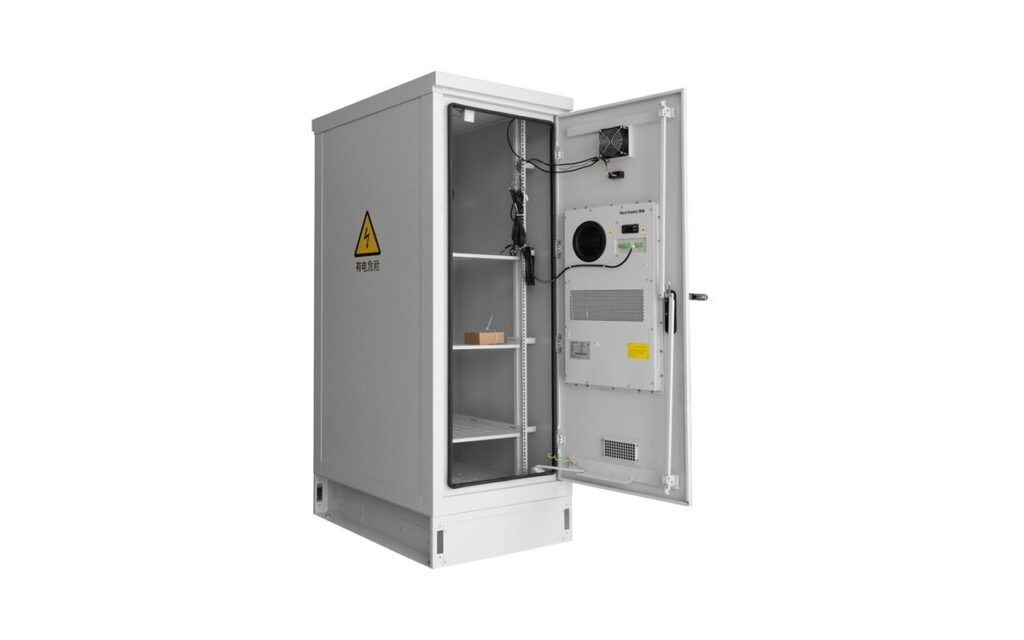
The Indoor Telecom Cabinet is an IP20 19-inch enclosure for protected rooms and shelters. The IP65 Outdoor Telecom Battery Cabinet is designed for exposed sites with insulation and project-specific thermal management. Select the cabinet from equipment dimensions, weight, heat load, cable entry and maintenance access.
Parallel expansion must be confirmed for the selected model and system design. Review battery compatibility, state of charge, firmware, communication, cable length, busbars, overcurrent protection and current sharing before installation. Provide the planned quantity and site architecture for engineering review.
Provide the site load, required backup hours, rectifier or UPS voltage range, battery or cabinet installation type, ambient temperature, communication interface, existing battery architecture, project quantity and destination. These inputs are needed before confirming model selection, configuration and commercial terms.