Home Battery Backup — ESS Batteries & Inverters
Store solar, ride out outages — wall-mount and all-in-one ESS from 1 to 16kWh with hybrid inverters.
Short answer: Home backup stores solar or off-peak grid energy in a 48V LiFePO4 bank and discharges it during outages. A 5kWh rack (48V 100Ah) runs about 500W of essential loads for eight hours; 10–20kWh covers larger homes with pumps or air-conditioning. The inverter must match the 48V battery window.
LiFePO4 Home Battery Backup Systems
Select a home battery system from the loads that must remain powered, required backup hours, available solar input and the installation environment. LINEX supplies all-in-one ESS units, wall-mounted batteries, mobile ESS units and compatible hybrid or off-grid inverters for residential backup, solar self-consumption and off-grid homes.
- All-in-one ESS range — 1kWh, 2kWh, 4kWh and 5kWh, 10kWh and 16kWh configurations combine battery storage with power conversion and charging functions
- Wall-mounted 5kWh storage — 5324Wh, 51.2V, 100A maximum charge and discharge, with parallel expansion up to 15 units
- Mobile backup option — pull-rod 5kWh ESS with 5120Wh capacity, 6200W total output and IP54 enclosure
- Hybrid and off-grid inverter choices — select 24V or 48V battery systems, grid backup, solar charging or independent off-grid operation
- System communication and documentation — ESS units provide RS485 and CAN, while relevant models have UN38.3, CE and RoHS documents available
Size the Battery and Inverter to the Home Loads
List the essential loads, their running power and the expected backup period before selecting the battery. Fridges, lighting, networking equipment, pumps, heating or cooling equipment and motor starting currents can affect both usable energy and inverter output. Confirm the PV array voltage, battery voltage, phase requirements and installation location with the system designer.
| Need | System | Checks |
|---|---|---|
| Small essential-load backup | 1kWh All-in-One ESS or 2kWh All-in-One ESS | 1004.8Wh or 2009.6Wh capacity, 500W or 1000W AC output, essential loads and backup duration |
| Compact home storage | 4kWh All-in-One ESS or Wall-Mounted 5kWh ESS | 4019.2Wh or 5324Wh capacity, continuous load, mounting space, cable routes and expansion plans |
| Higher-output solar backup | 5kWh, 10kWh or 16kWh All-in-One ESS | 5120Wh, 10547Wh or 16077Wh capacity, 6200W rated and maximum output, PV input up to 6000W |
| Separate battery and inverter system | SC-MAX 11KW III Hybrid Inverter with a compatible 48V battery | PV input up to 500V, parallel operation up to 6 units, BMS communication and local wiring requirements |
Battery Capacity for Essential Loads
| Essential load | 8 hours backup | 24 hours backup | Recommended 48V bank |
|---|---|---|---|
| 500W | 4 kWh | 12 kWh | 100Ah (5.1kWh) / 3 x 100Ah |
| 1,000W | 8 kWh | 24 kWh | 200Ah (10.2kWh) / 5 x 100Ah |
| 2,000W | 16 kWh | 48 kWh | 2 x 200Ah parallel |
| 3,000W | 24 kWh | 72 kWh | 3 x 200Ah parallel |
Figures assume 90% usable depth of discharge and 95% inverter efficiency. For loads with motors or pumps, add the starting surge to the inverter rating, not to the battery capacity.
Recommended Home Battery Backup Models
Compare the ESS and inverter configurations against the project load profile, PV design and installation method. Wholesale enquiries, system integration and OEM requirements are welcome.
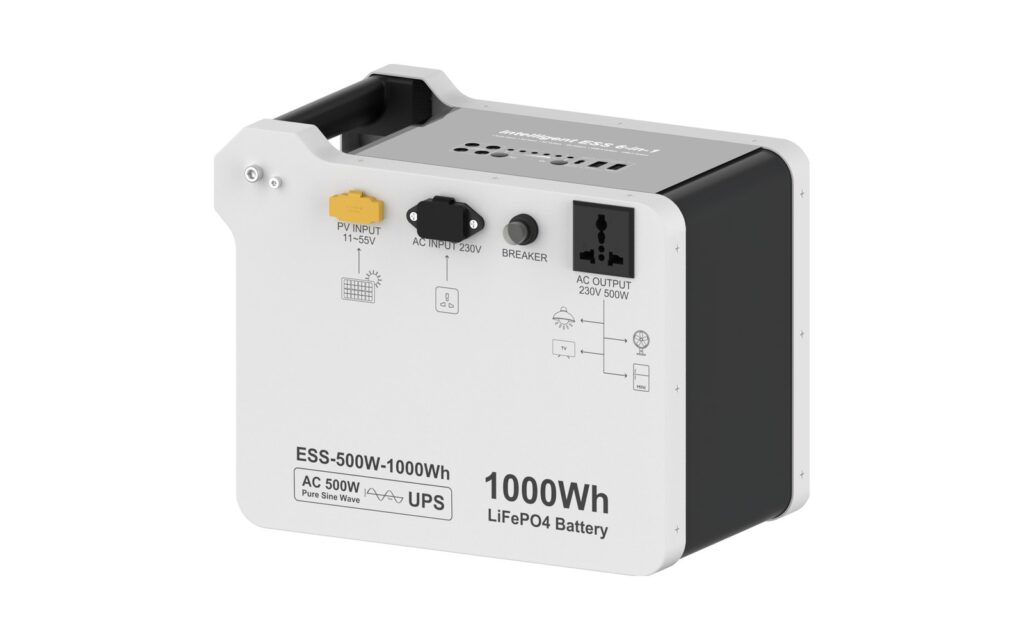 All-In-One 1KWh ESS
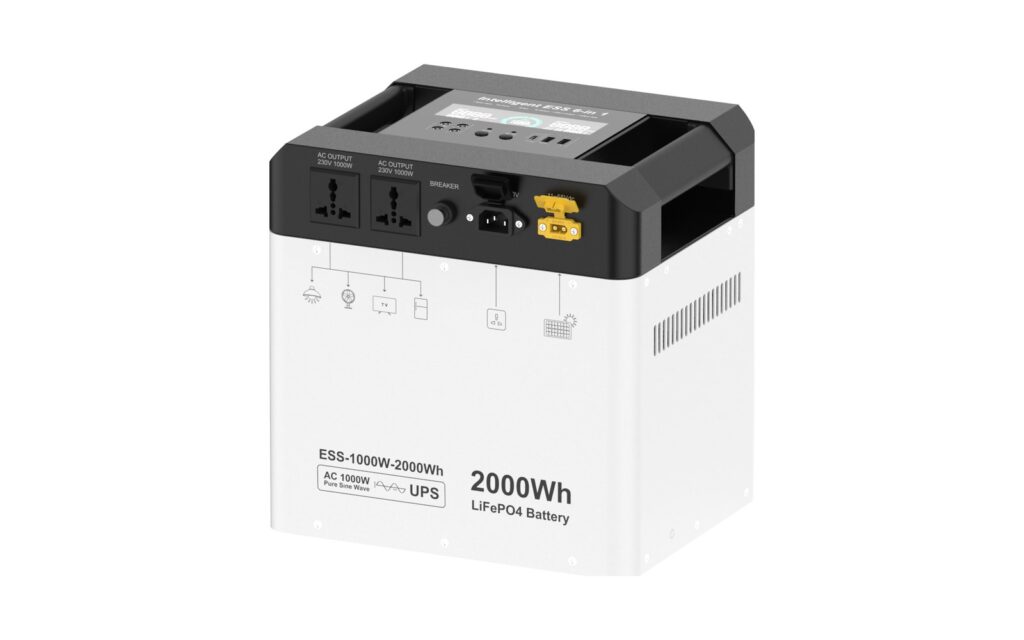 All-In-One 2KWh ESS
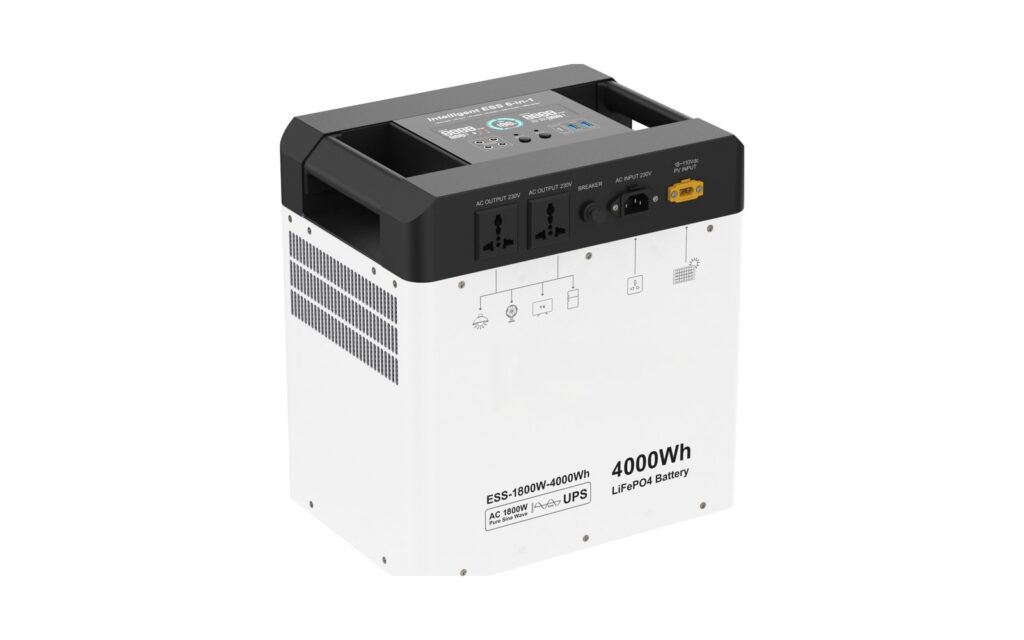 All-In-One 4KWh ESS
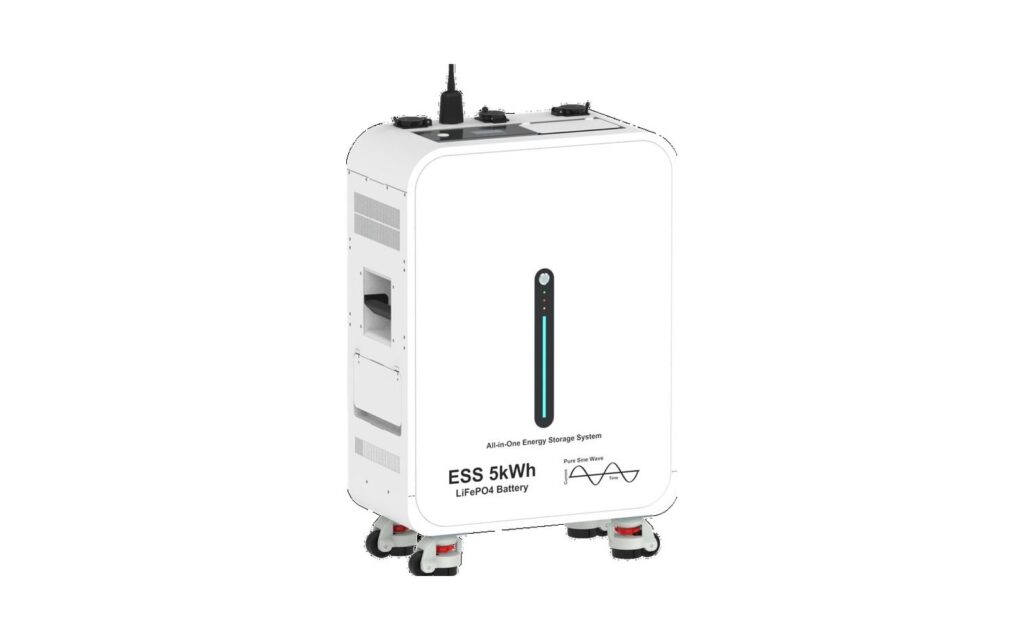 All-In-One 5/10/16KWh ESS
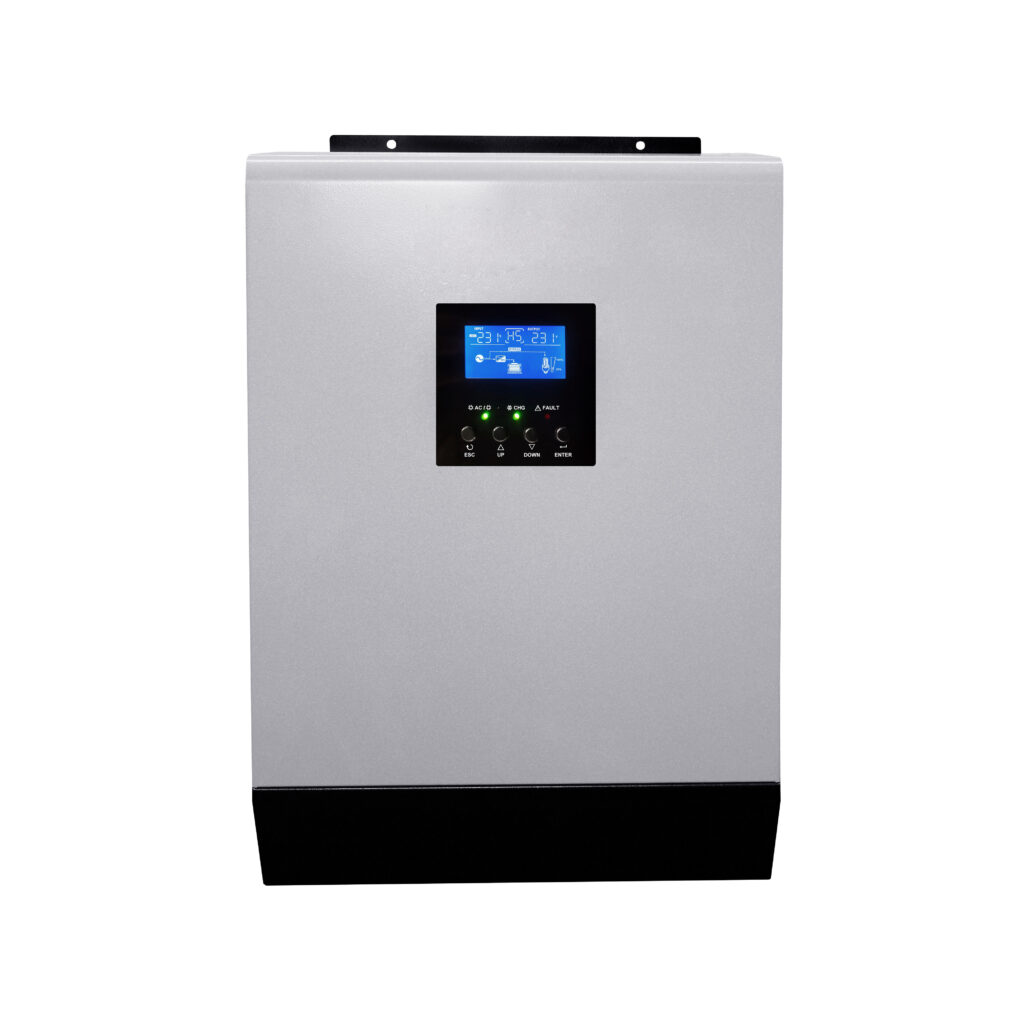 MKSII 5KW Off-Grid Inverter
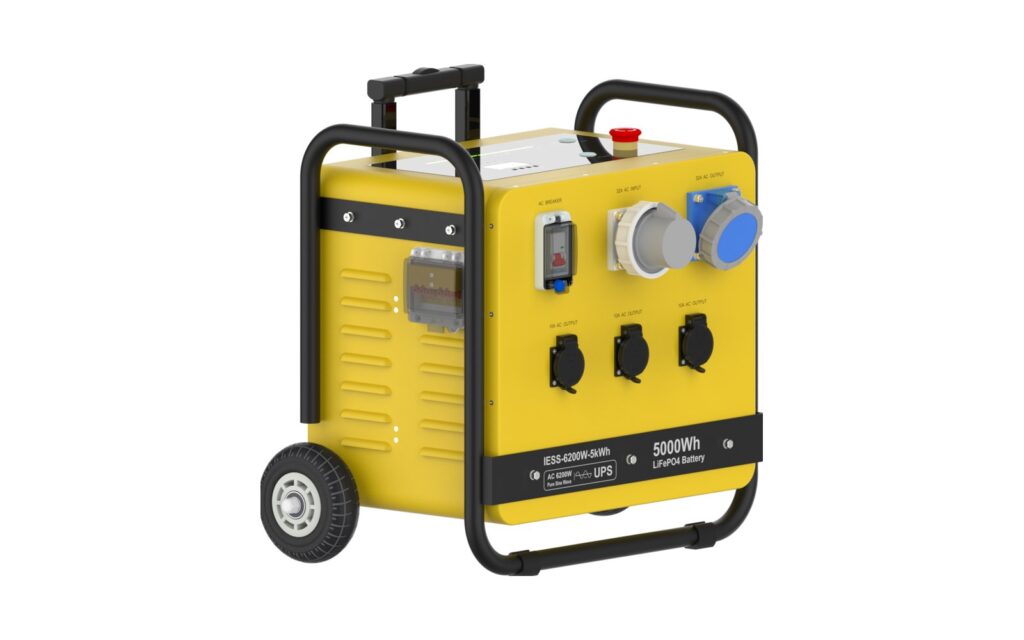 Pull-rod ESS 5KWh
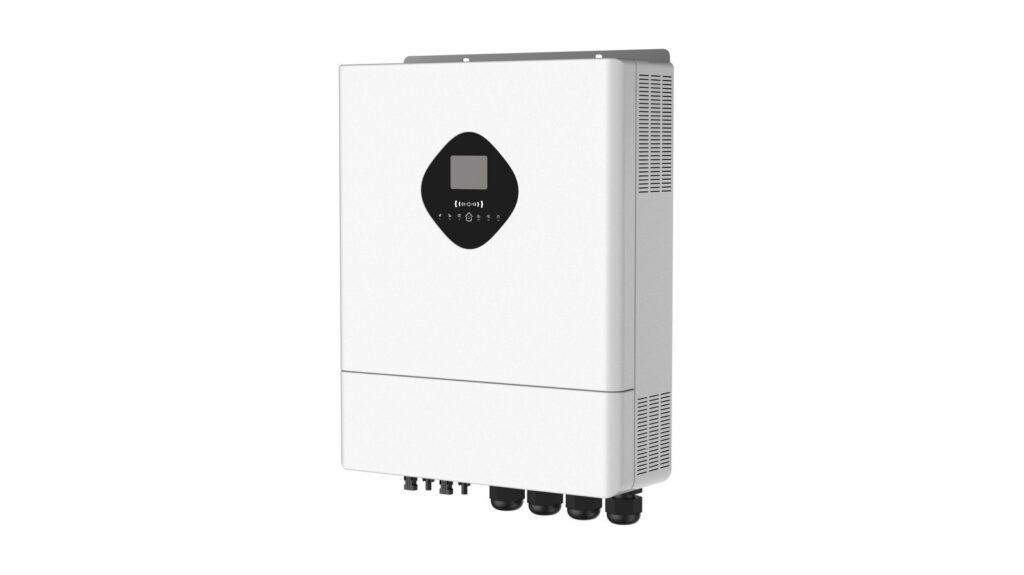 SC-MAX 11KW III Hybrid Inverter
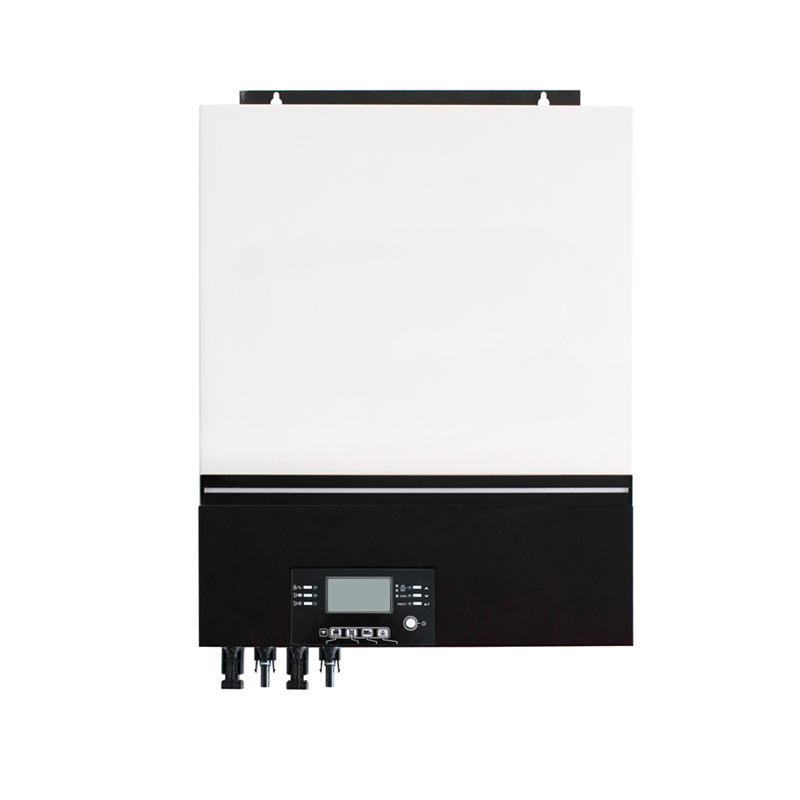 SC-MAX 8KW/11KW Off-Grid Inverter
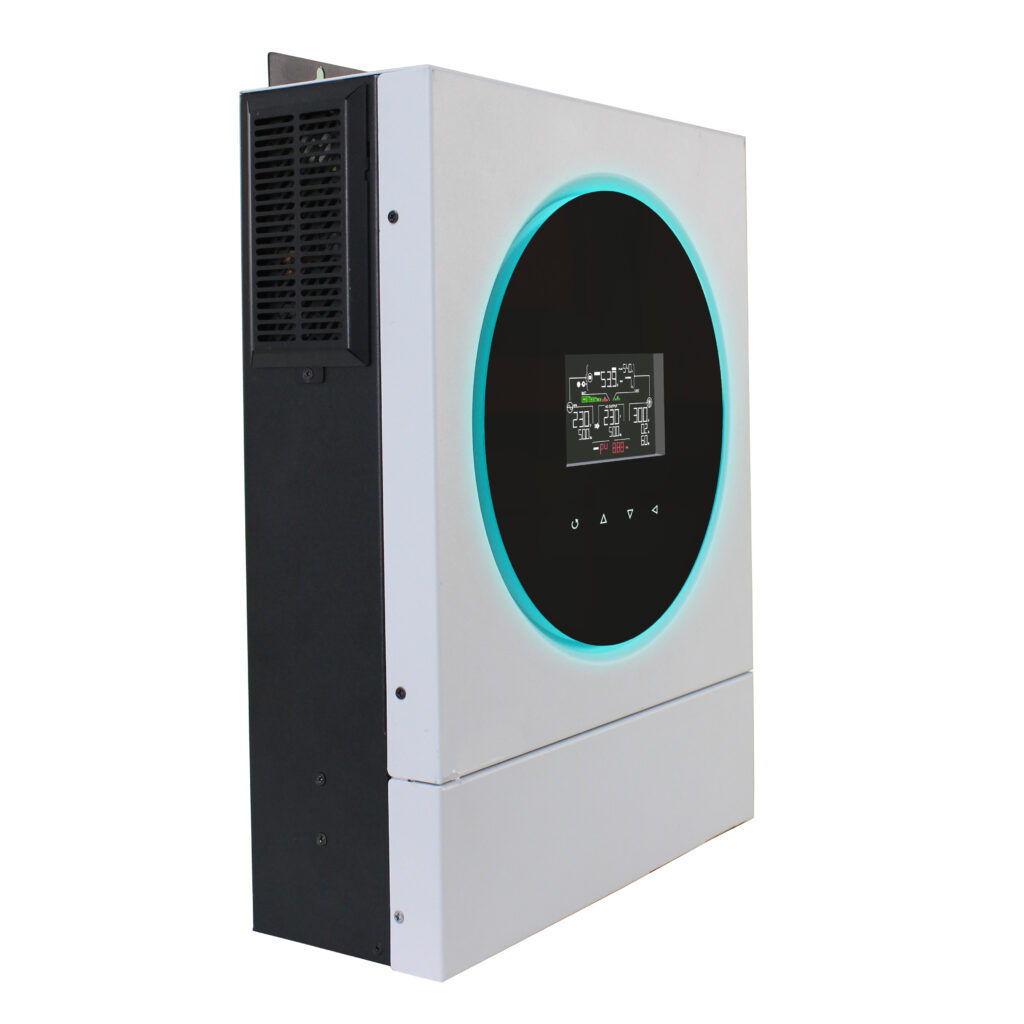 VMIV 4KW/6KW Hybrid Inverter
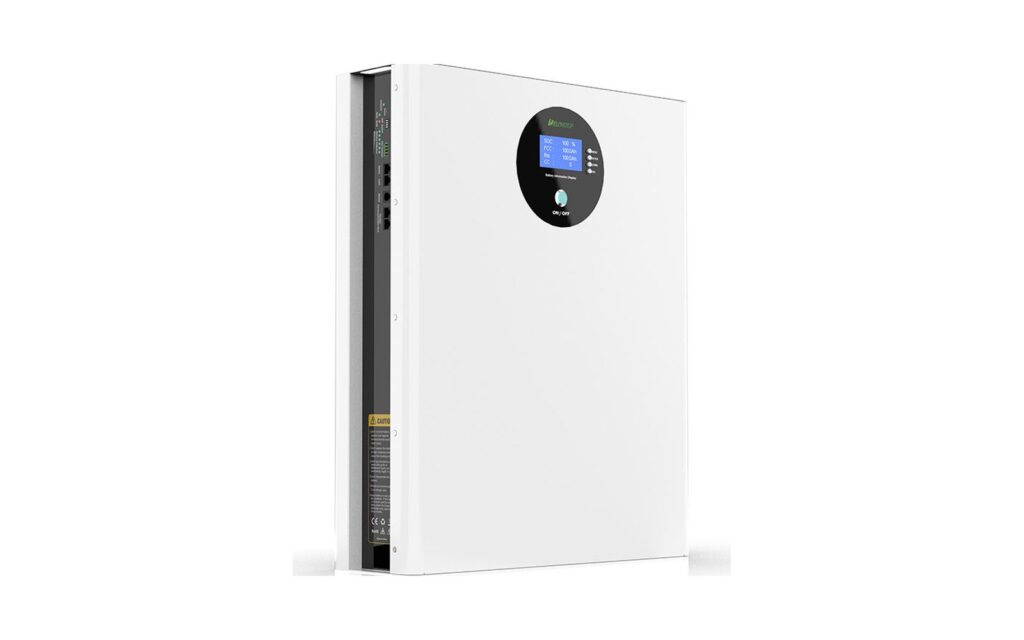 Wall‑Mounted 5KWH ESS
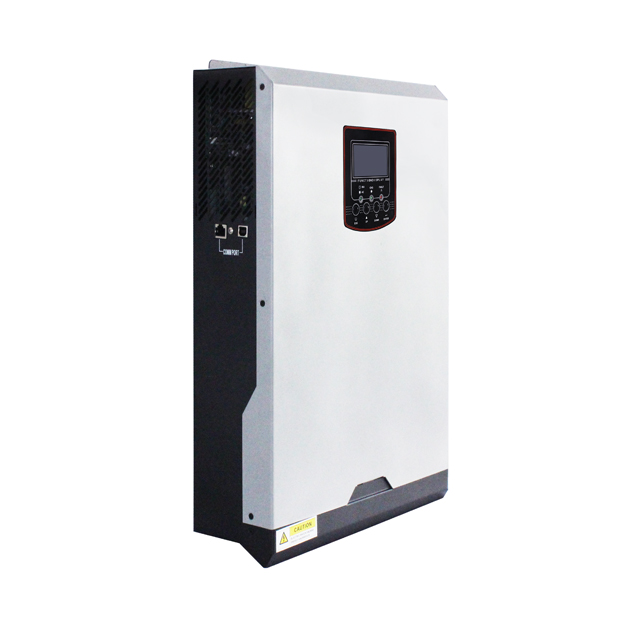 SCMK 3KW-24V Hybrid Inverter
It stores 5.1kWh, about 4.4kWh usable. That runs 500W of essential loads for roughly eight hours, or 1,000W for four hours. Whole-house loads above 3kW need a 200Ah bank or parallel units.
Yes, if the first installation leaves busbar and breaker capacity and the new units use the same BMS protocol and firmware family. Mixing different BMS generations in parallel is the most common cause of uneven current sharing.
A hybrid inverter if the grid is present and you want solar self-consumption plus backup; an off-grid inverter if there is no grid at all. The battery voltage window must match the inverter, which is why 48V is standard above 3kW.
Home Battery Backup FAQ
Start with the energy used by the essential loads during the planned backup period, then check the inverter output against running and starting loads. Separate critical loads from discretionary loads, and allow for conversion losses and operating reserve. The 1kWh, 2kWh and 4kWh units suit smaller load groups, while 5kWh, 10kWh and 16kWh systems address larger storage requirements.
Yes, the applicable hybrid systems can provide solar self-consumption with grid backup, while the SC-MAX off-grid models are intended for systems without a dependable grid connection. Confirm the inverter topology, transfer requirements, PV input and battery voltage before ordering. The selected operating mode must also comply with the installation rules that apply to the project.
Choose an all-in-one unit when a combined battery, inverter and MPPT charger can meet the required output, PV input and installation format. A separate battery and inverter arrangement allows the installer to select each power stage and may suit larger or more configurable systems. Compare output, battery voltage, communications, enclosure rating and service access before approval.
Match the battery voltage and communication protocol to the inverter specification. The SC-MAX 11KW III uses a 48V battery system and supports BMS communication. The SCMK 3KW-24V is intended for a 24V battery system, while the VMIV 4KW/6KW accepts a 24V or 48V battery. Confirm RS485 or CAN settings and current limits for the selected battery.
Expansion depends on the model and the approved configuration. The wall-mounted 5kWh ESS supports parallel expansion up to 15 units, and the SC-MAX 11KW III supports parallel operation up to 6 inverter units. The VMIV 4KW/6KW does not support parallel operation. Use compatible units, matched settings and correctly sized protection and conductors when expanding.
Installation location depends on the enclosure and environmental rating. The wall-mounted 5kWh ESS is rated IP20 for indoor use, while the pull-rod 5kWh ESS is rated IP54. Provide suitable clearance, ventilation, mounting support and cable protection. A qualified electrician should complete mains, PV, battery, grounding, overcurrent protection and changeover wiring.
UN38.3, CE and RoHS documents are available for relevant models. Product-specific datasheets should also be reviewed for capacity, output, voltage, current, communication ports, temperature limits and enclosure rating. Ask for the document set for the exact battery, ESS or inverter configuration, because certification and available records can vary between models.
Provide the required battery capacity, essential-load list, running and starting power, backup hours, PV array voltage and power, grid or off-grid requirement, battery voltage, installation environment and expansion plan. Also specify inverter quantity, communication preference, outlet or wiring requirements, destination documentation and OEM scope. These details allow the system configuration and applicable documents to be checked before quotation.
A home battery backup system with a suitable inverter can provide backup power for selected loads, but it is not automatically a full uninterruptible power supply. Transfer behaviour, load separation and system configuration determine how quickly and completely power is maintained, so critical circuits and switching requirements should be defined before deployment.
Home Energy Storage Resources
Review the LINEX residential storage product line for batteries, ESS units and inverters. For planning, read how to size a home energy storage system and ESS versus generator backup considerations.
Need a reliable LiFePO4 battery supplier?
Wholesale pricing · OEM/ODM · Flexible MOQ · Global shipping