Portable Power Station
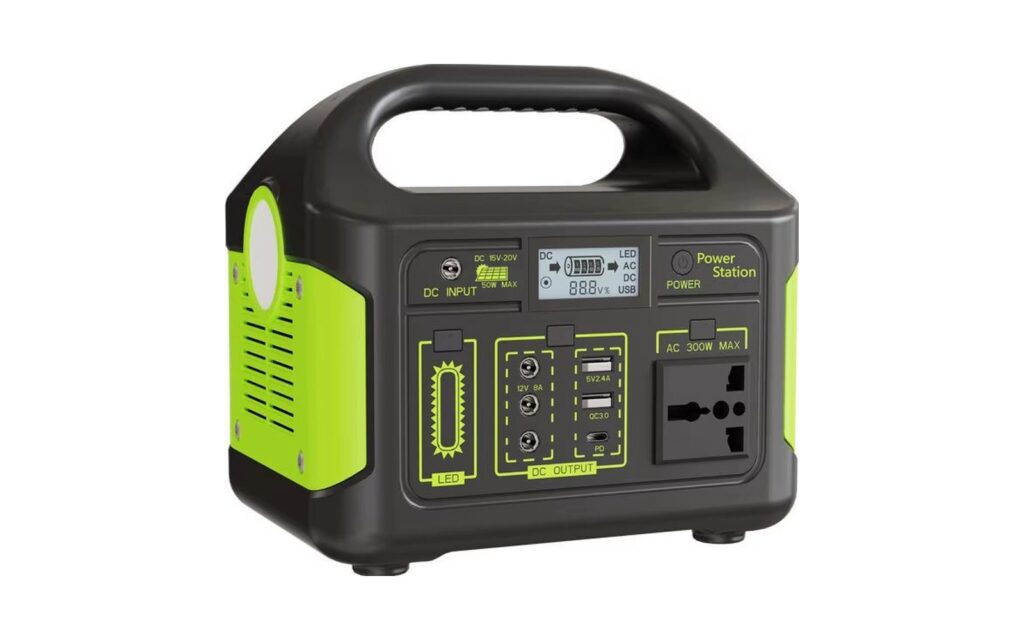
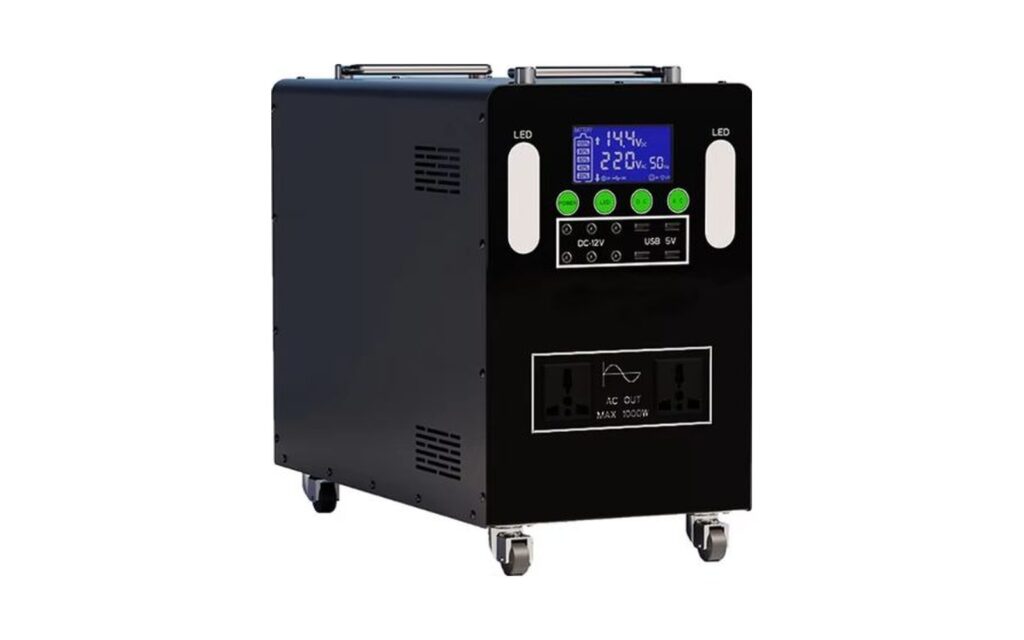
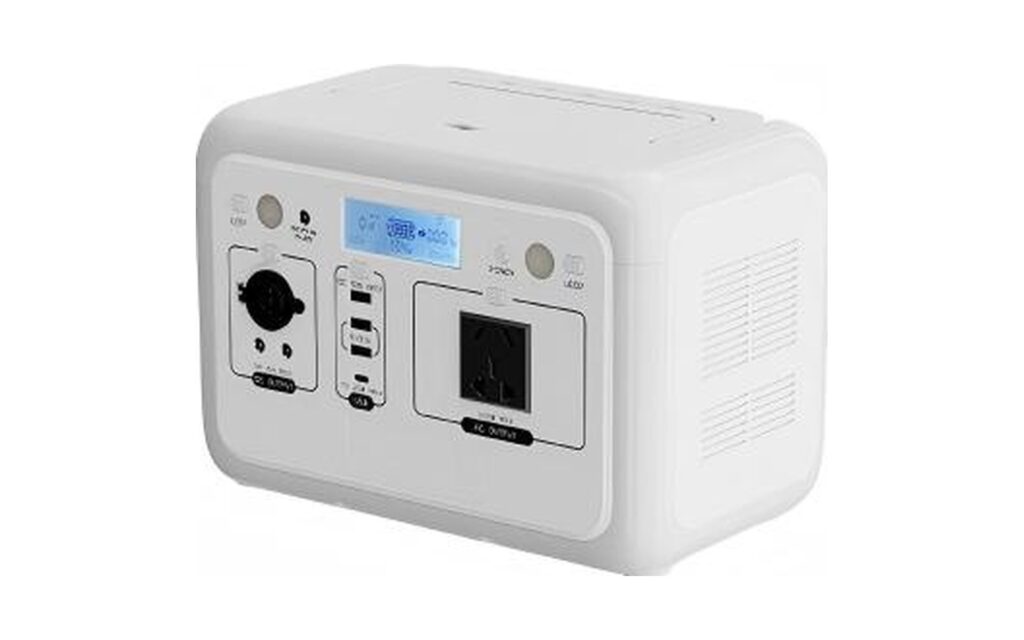
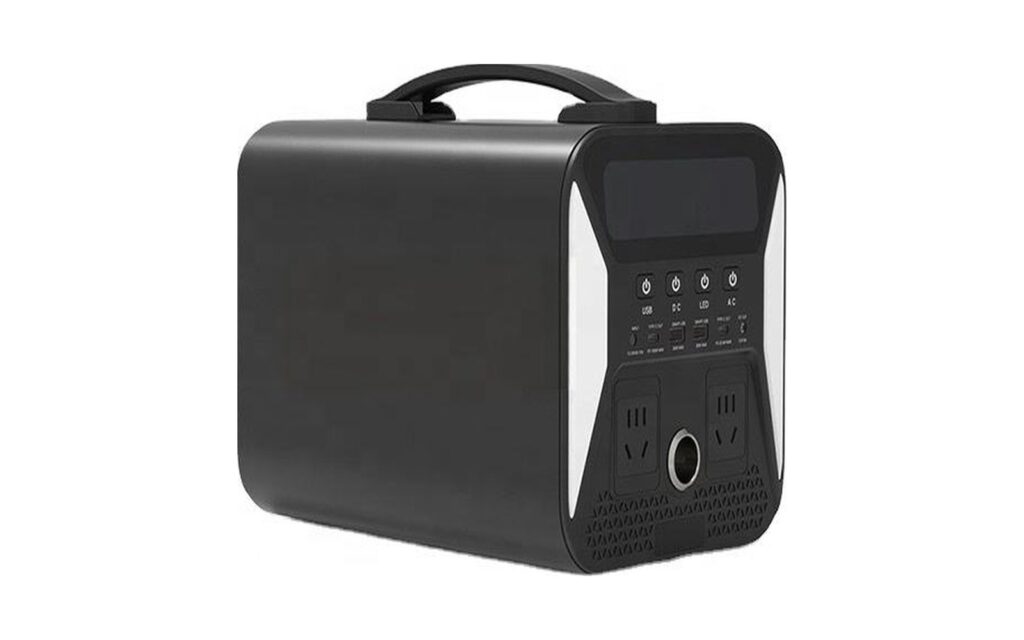
Select a model for full specifications and features.
Common FAQs
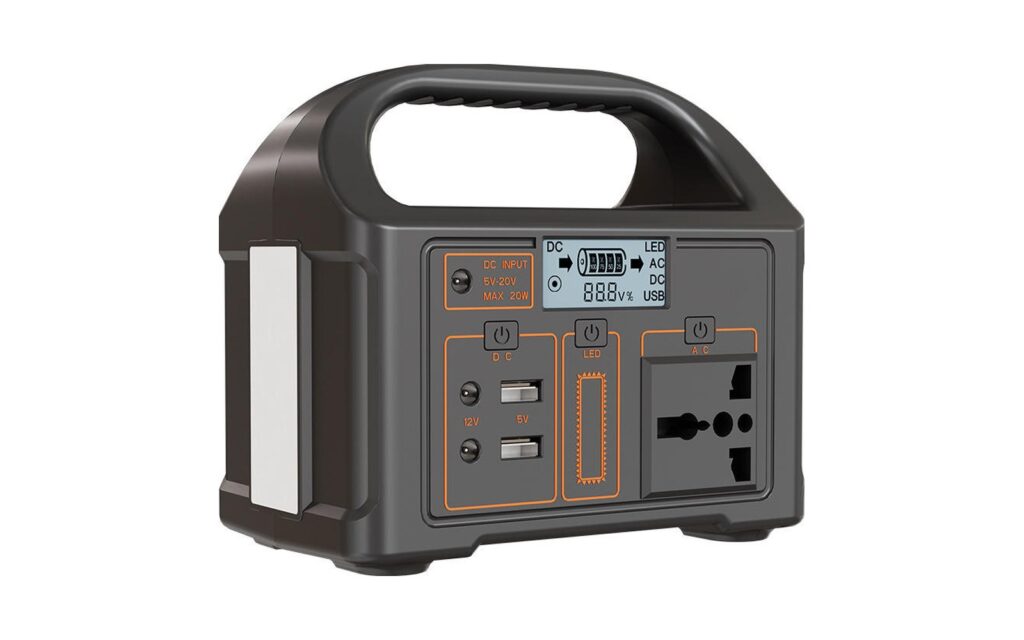
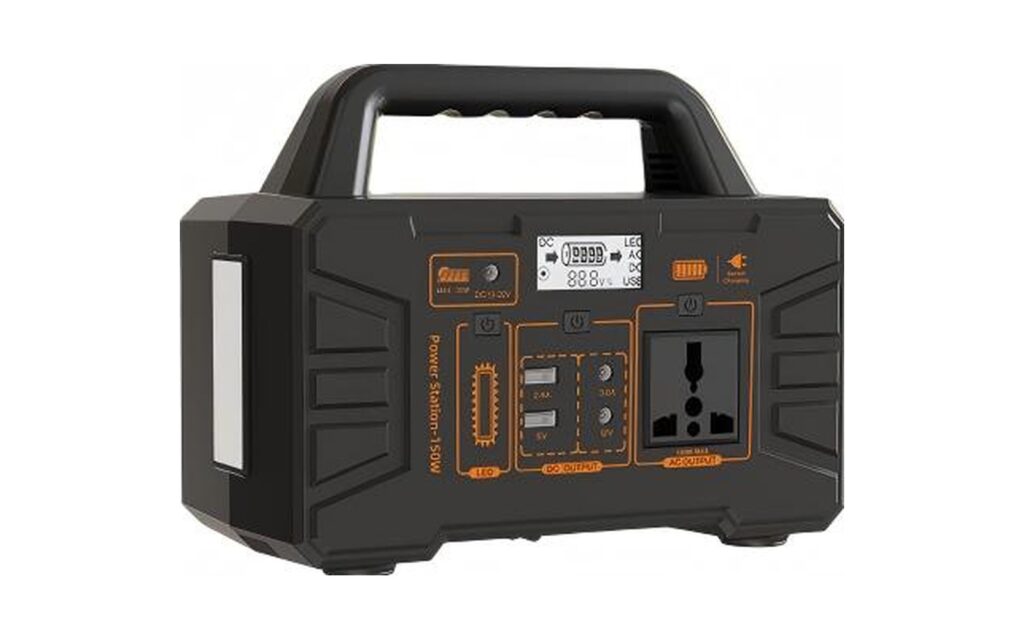
Select the model according to required continuous output, peak starting power, battery capacity, operating duration, port requirements, and solar charging needs. The range covers compact 100W units through a 3000W high-capacity model, allowing distributors and project contractors to match the configuration to outdoor, RV, emergency backup, event, workshop, or light-commercial requirements.
LiFePO4 models are generally suited to applications requiring frequent cycling and longer service life. SLA models can support cost-sensitive positioning and specific project requirements. The decision should consider expected usage frequency, required operating duration, transport and handling requirements, target channel, and the total configuration rather than battery chemistry alone.
High-capacity models use pure sine wave output, while several smaller models use modified sine wave output. Pure sine wave output is generally preferred for sensitive or waveform-dependent equipment. Buyers should check the compatibility of the intended loads, especially sensitive devices, before confirming a model or preparing a distribution package.
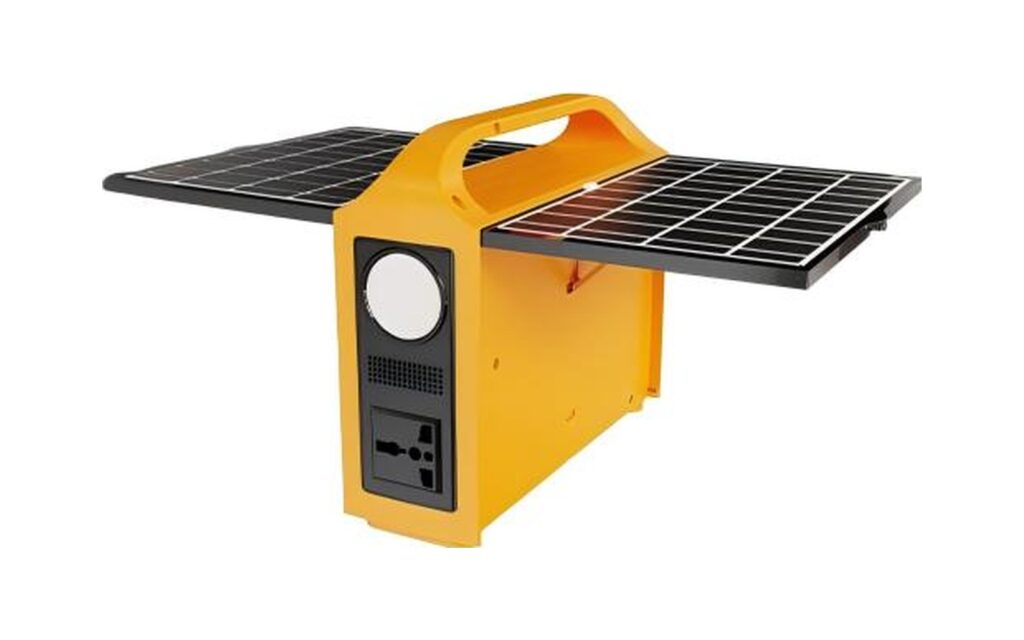
All models in the range support solar recharging, but the applicable charging specification depends on the selected model. Confirm the compatible solar charging requirements, charging method, and system configuration during model selection. Quotation requests should identify the intended solar use so the correct product documentation and configuration can be reviewed.
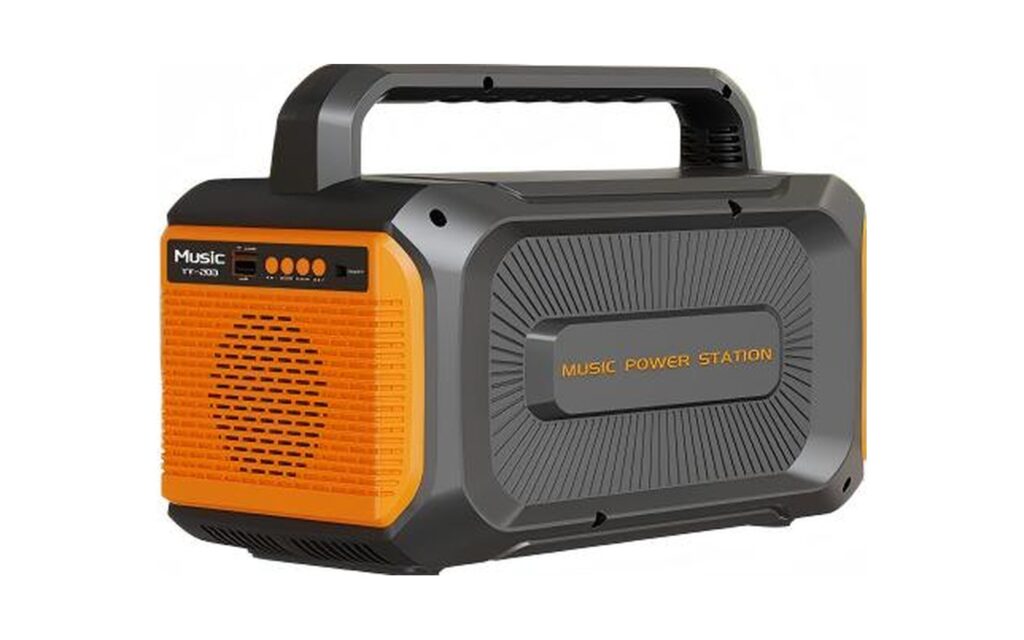
The range supports outdoor and camping power, RV and van travel, emergency backup, outdoor events, mobile workshops, and value-focused light-commercial applications. Distributors and contractors can position different output levels for different use cases, while importers and channel partners can select configurations according to their target application and operating environment.
Confirm the required continuous output, peak starting power, output waveform, battery capacity, charging interfaces, output ports, and accessory requirements for the intended equipment. Port configuration varies by model and must be checked against the technical datasheet. Any requested port or accessory changes should be reviewed before sample approval and production.
Applicable products can be supplied with CE and RoHS documentation. UN38.3 transport documents are available for lithium-battery models. Supporting documents can include user manuals, technical datasheets, charging specifications, and packing details. The required document set should be confirmed by model and destination before shipment and distribution.
Provide the intended model or output range, battery chemistry, application, required solar charging arrangement, port configuration, branding, packaging, display language, accessory combination, order quantity, and destination. OEM and selected ODM support includes branding, packaging, and configurations. Electrical or structural changes require technical evaluation and sample approval.