LiFePO4 Batteries for Trolling Motors & Fishing
LiFePO4 batteries for trolling motors and fishing boats — dedicated 12V 100Ah model plus standard 12V and native 24V options.
Short answer: Trolling motor batteries are sized by thrust and hours on the water, not by boat length. A 55lb motor drawing 25–30A at cruise runs three to four hours on a 12V 100Ah LiFePO4; 60–80lb motors move to 24V 100Ah, which halves the current and roughly doubles runtime for the same Ah.
LiFePO4 Batteries for Trolling Motors and Fishing Boats
Select a trolling motor battery from the motor’s rated voltage, actual current draw, required operating time and the electrical loads sharing the bank. Battery capacity alone does not guarantee a fixed number of hours because thrust setting, wind, current, hull weight and accessories change the load.
- Dedicated 12V 100Ah model — 100A BMS and LCD display for trolling applications
- 12V and native 24V options — match the motor’s rated system voltage
- Stable LiFePO4 voltage — reduced voltage sag compared with conventional lead-acid batteries
- Built-in BMS protection — model-specific current, voltage, short-circuit and temperature protection
- 6,000-cycle ratings — based on published model specifications
Match Battery Voltage and Capacity to the Motor
Use the motor manufacturer’s voltage requirement first. Estimate energy use from measured average current rather than maximum current alone, then include electronics, pumps, wind, current and a return reserve.
| System | Starting point | Selection checks |
|---|---|---|
| 12V trolling motor | Dedicated 12V 100Ah Trolling Battery | Motor current, 100A BMS limit, LCD monitoring and cable size |
| Longer 12V sessions | 12V 200Ah · 2.56kWh | Average draw, charger current, installation weight and available space |
| 24V trolling motor | 24V 100Ah · 2.56kWh | Use a native 24V battery when compatible with the motor and charger |
Battery Size by Motor Thrust
| Motor thrust | System voltage | Cruise current | Battery for 4–6 hours |
|---|---|---|---|
| 30–45 lb | 12V | 15–25A | 12V 100Ah |
| 50–55 lb | 12V | 25–35A | 12V 100–150Ah |
| 60–80 lb | 24V | 20–30A | 24V 100Ah |
| 80–112 lb | 24V or 36V | 30–45A | 24V 150Ah or 36V 100Ah |
Cruise current is typically 50–60% of the motor’s maximum draw. Running at full throttle continuously shortens runtime by about 40%.
Recommended Trolling Motor Battery Models
Compare the dedicated trolling model with standard 12V and native 24V configurations. Confirm current limits and motor compatibility before ordering.
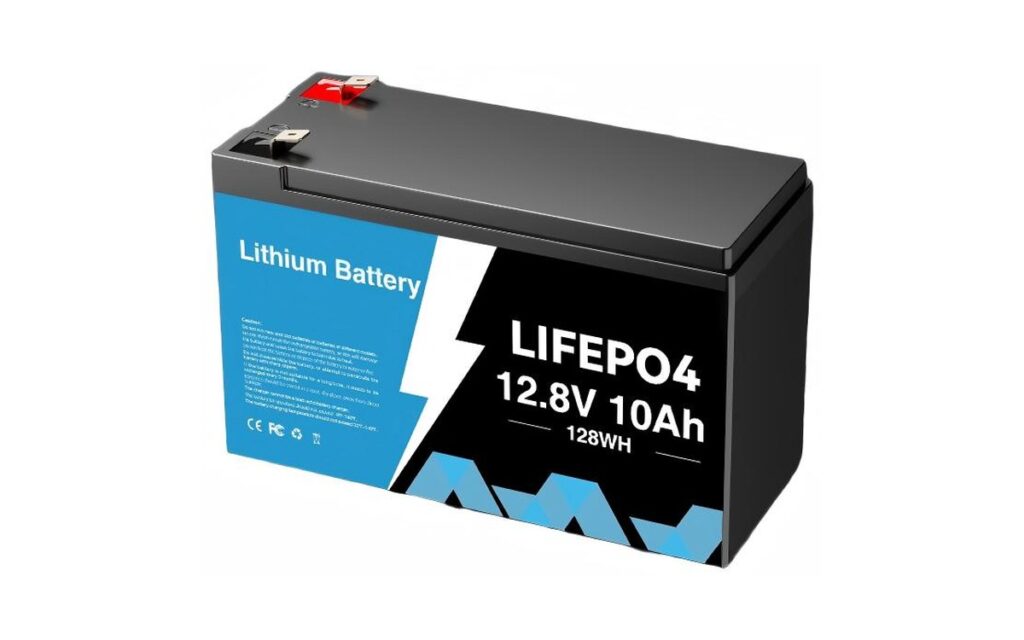 12V 10Ah LiFePO4 Compact Battery
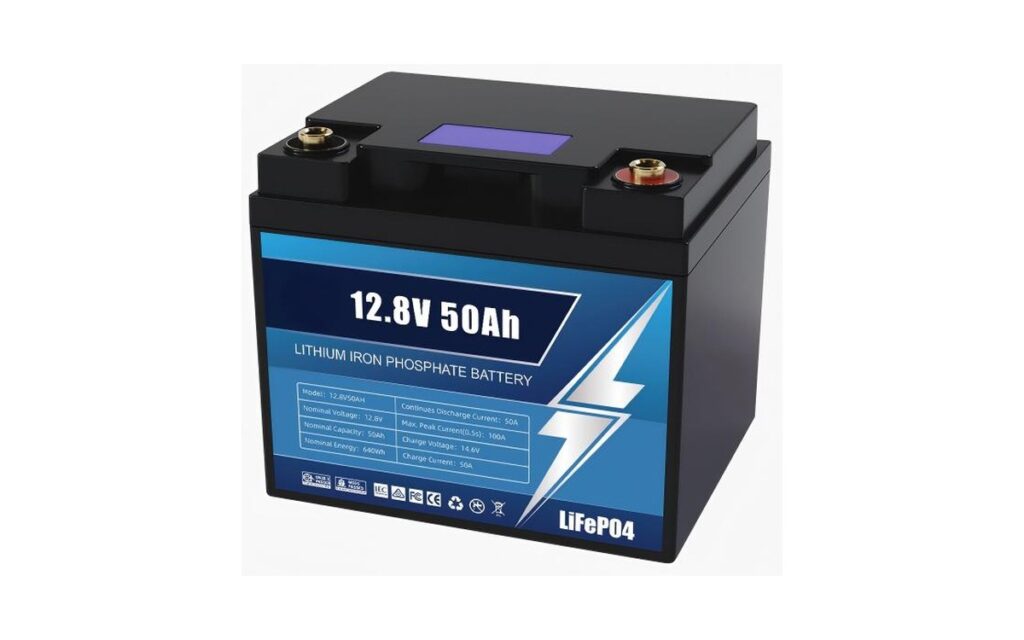 12V 50Ah LiFePO4 Deep-Cycle Battery
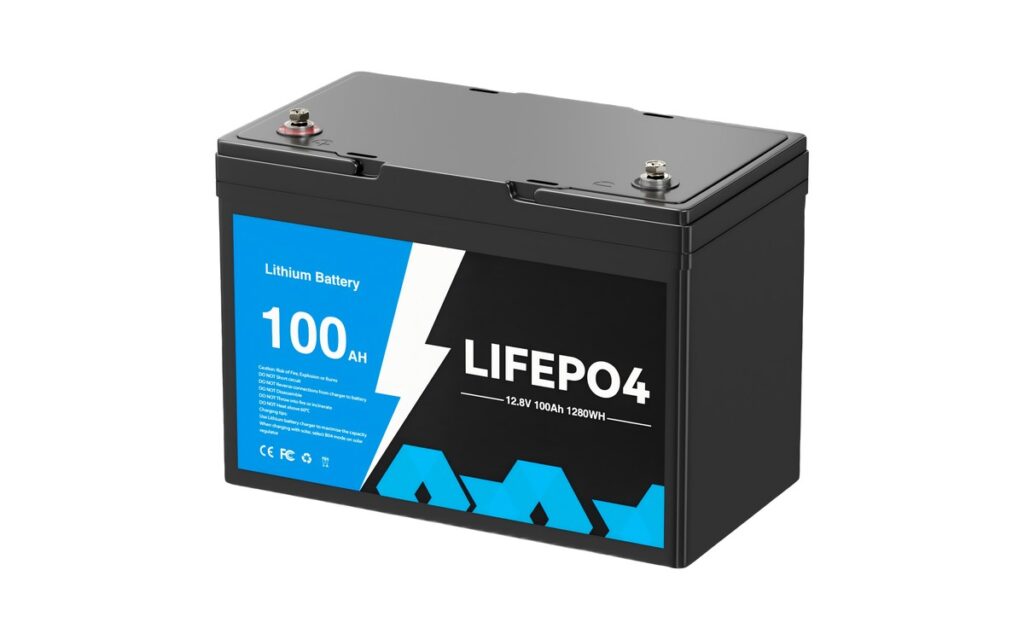 12V 100Ah LiFePO4 Battery for RV & Marine
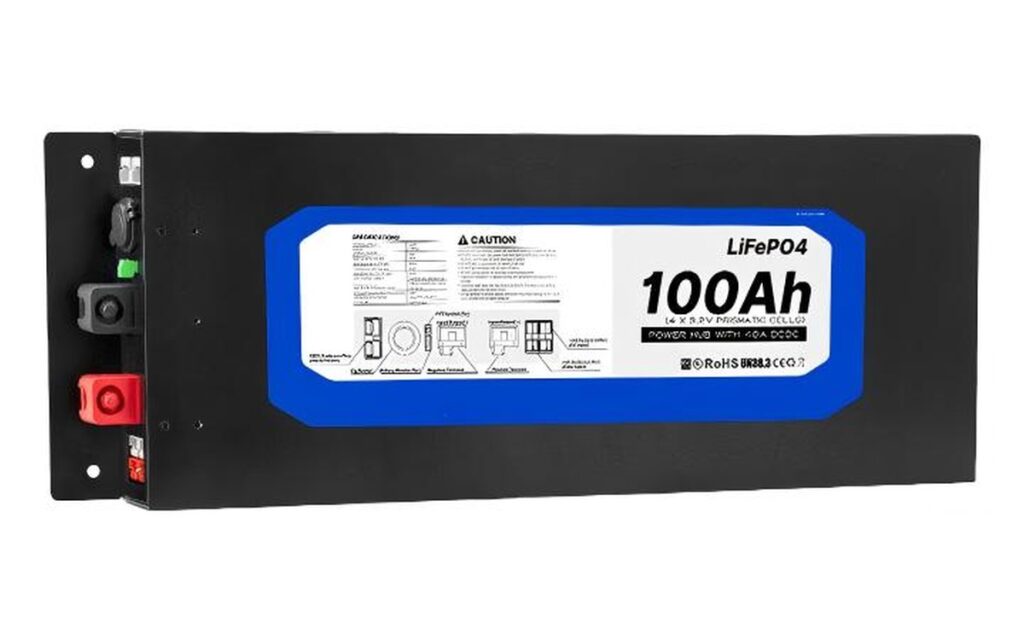 12V 100Ah Power Hub with 40A DC-DC for Van Conversions
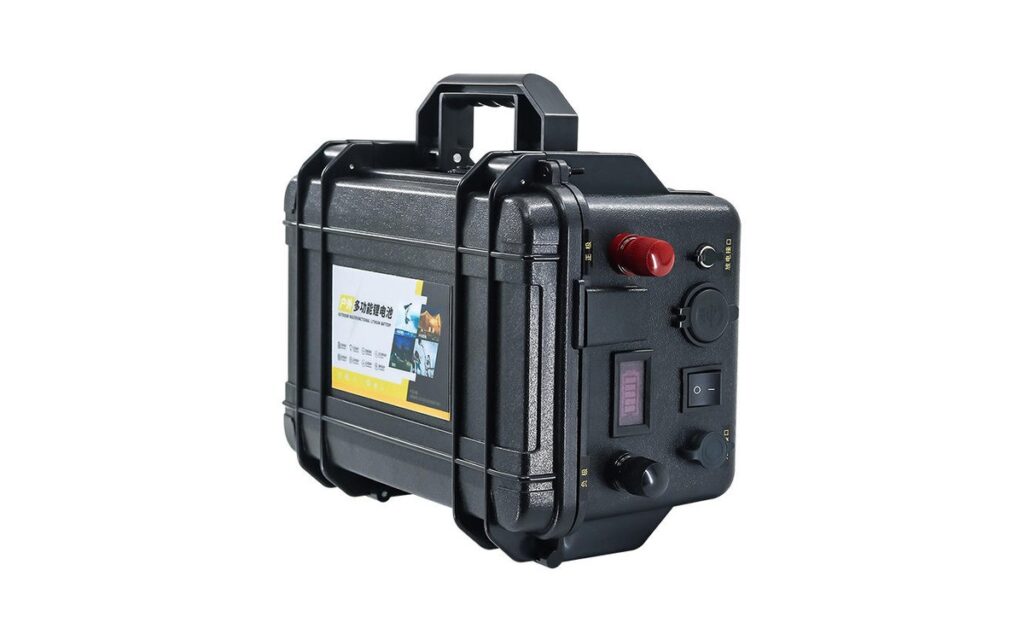 12V 100Ah Trolling Motor Battery for Boats
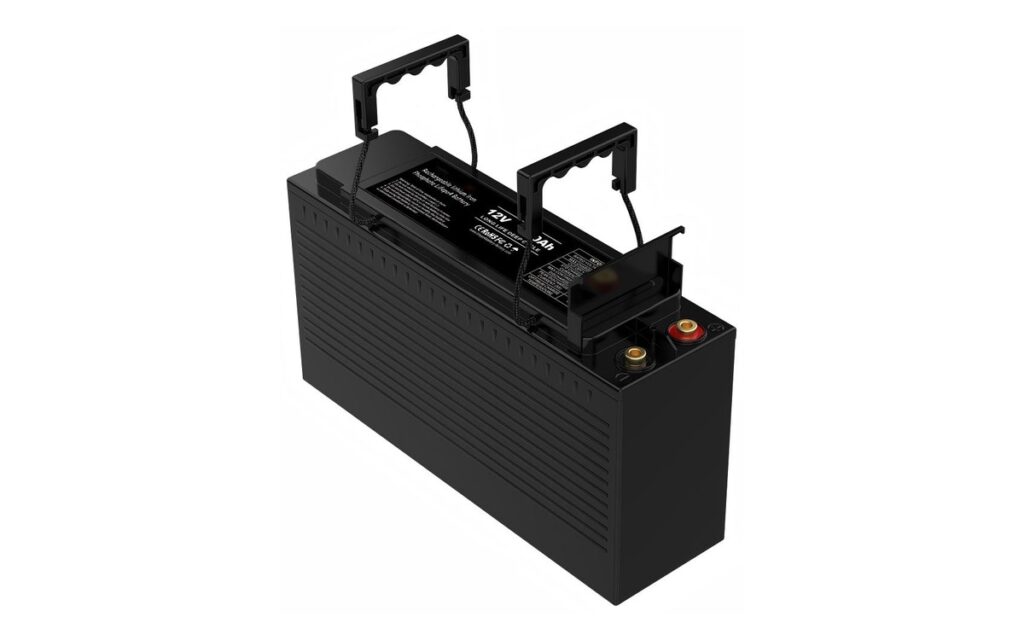 Thin 12V 100Ah LiFePO4 Battery for Narrow RV Compartments
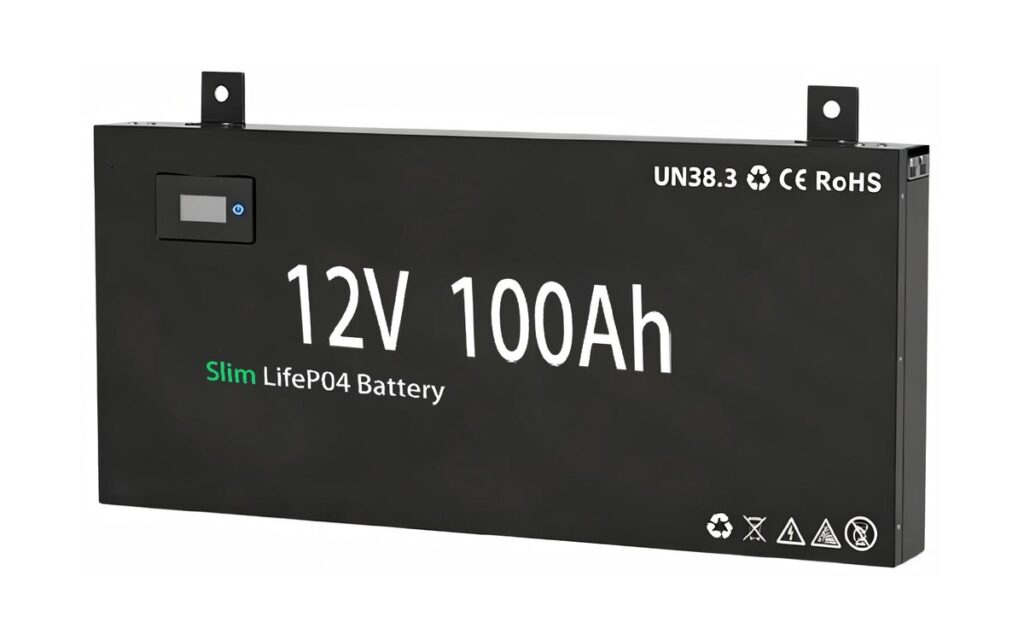 Ultra Slim 12V 100Ah LiFePO4 Battery for Tight Installations
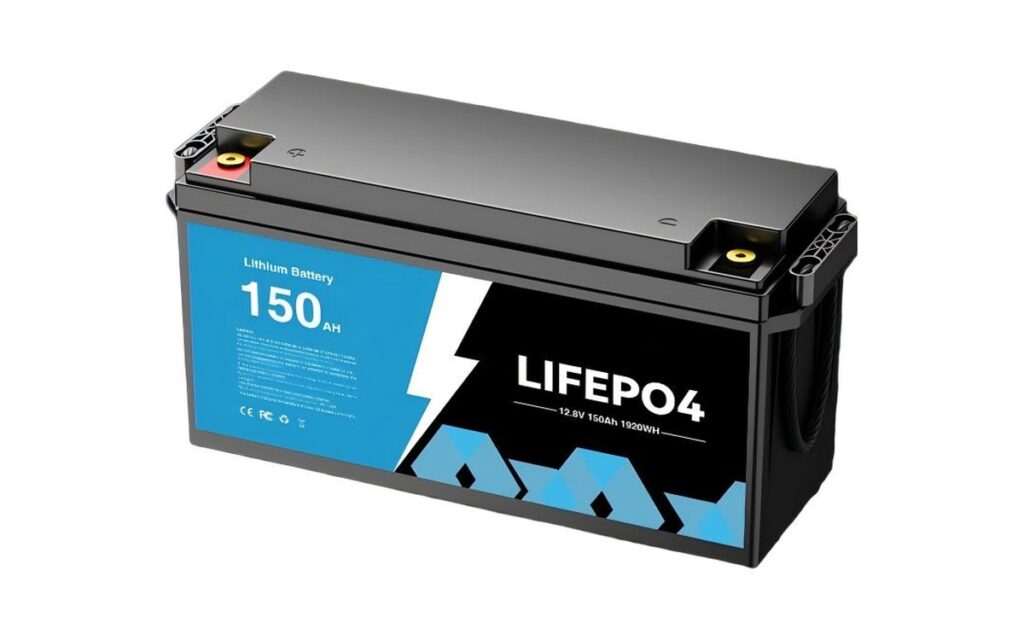 12V 150Ah LiFePO4 Deep-Cycle Battery
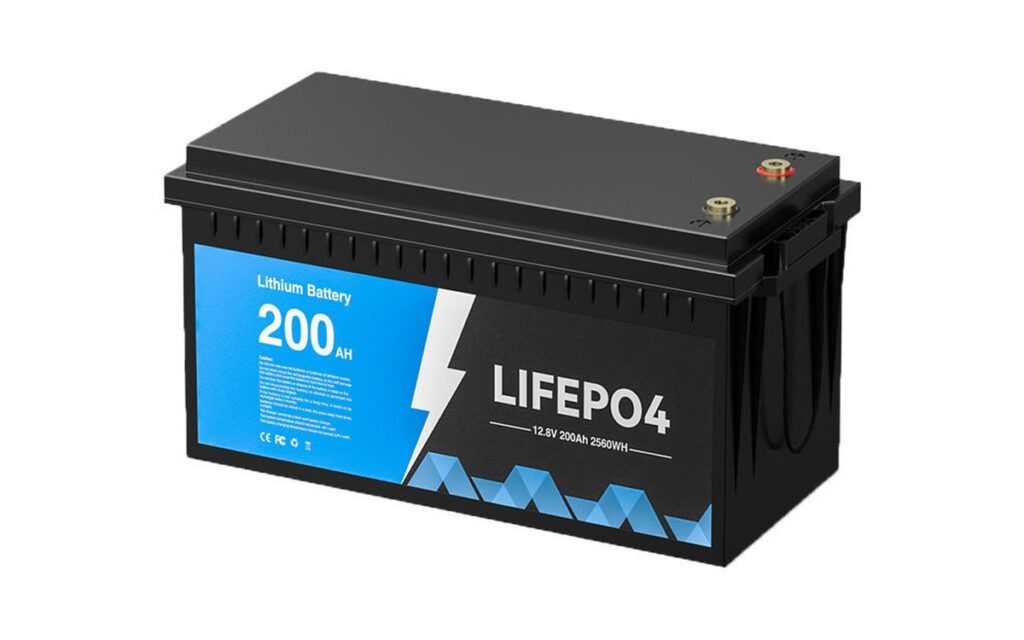 12V 200Ah LiFePO4 Deep-Cycle Battery
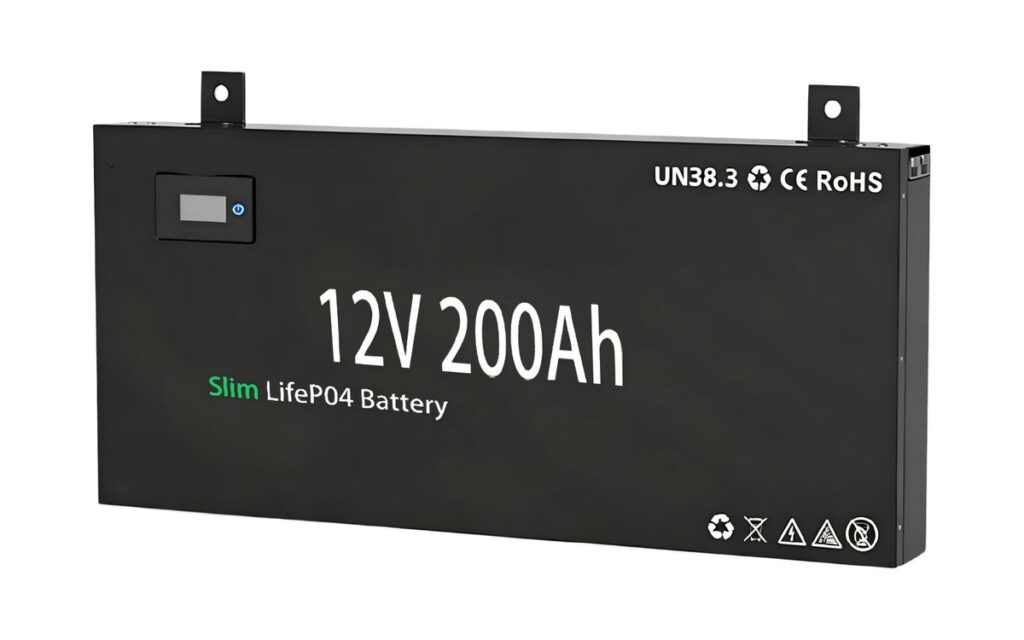 Ultra Slim 12V 200Ah LiFePO4 Battery
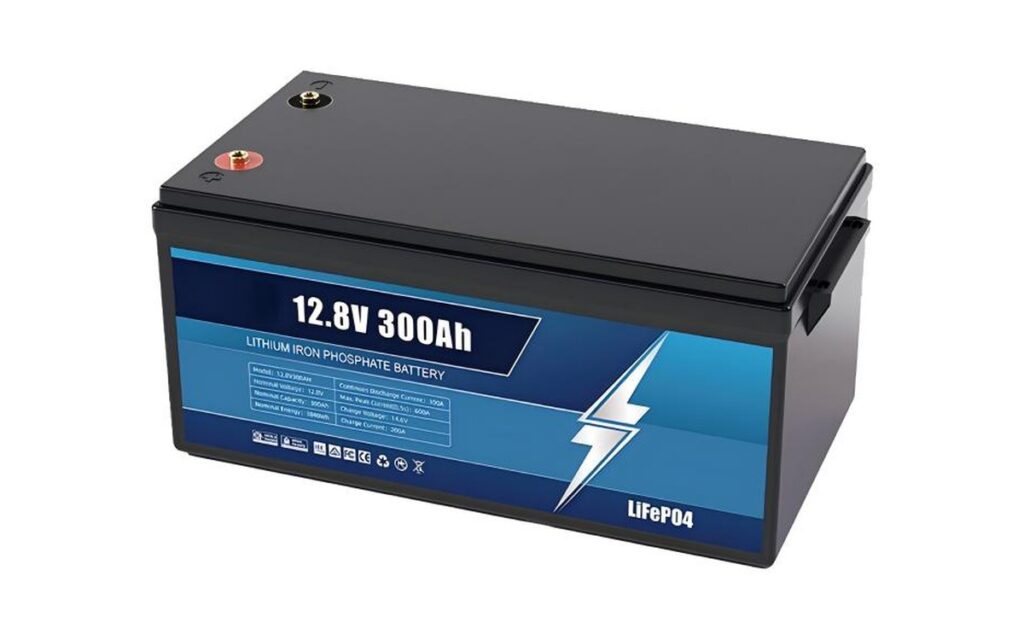 12V 300Ah LiFePO4 Deep-Cycle Battery
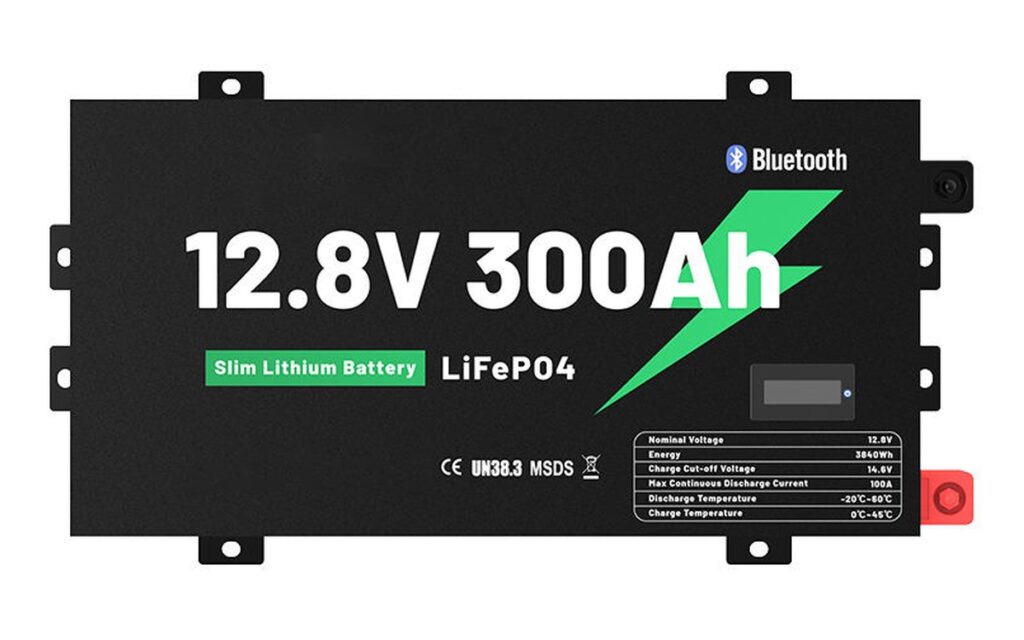 Ultra Slim 12V 300Ah LiFePO4 Battery
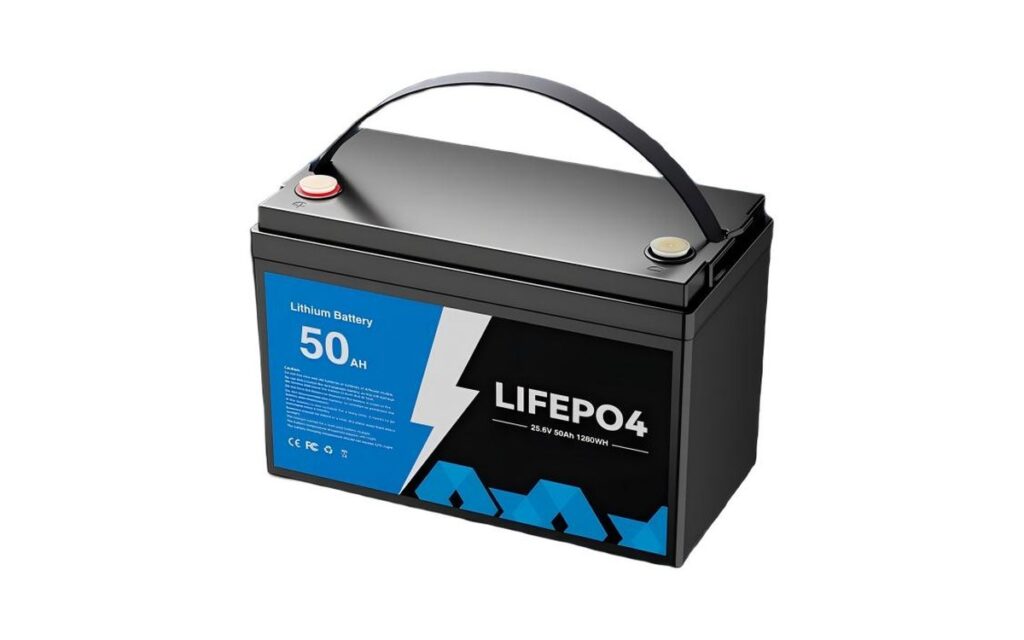 24V 50Ah LiFePO4 Deep-Cycle Battery
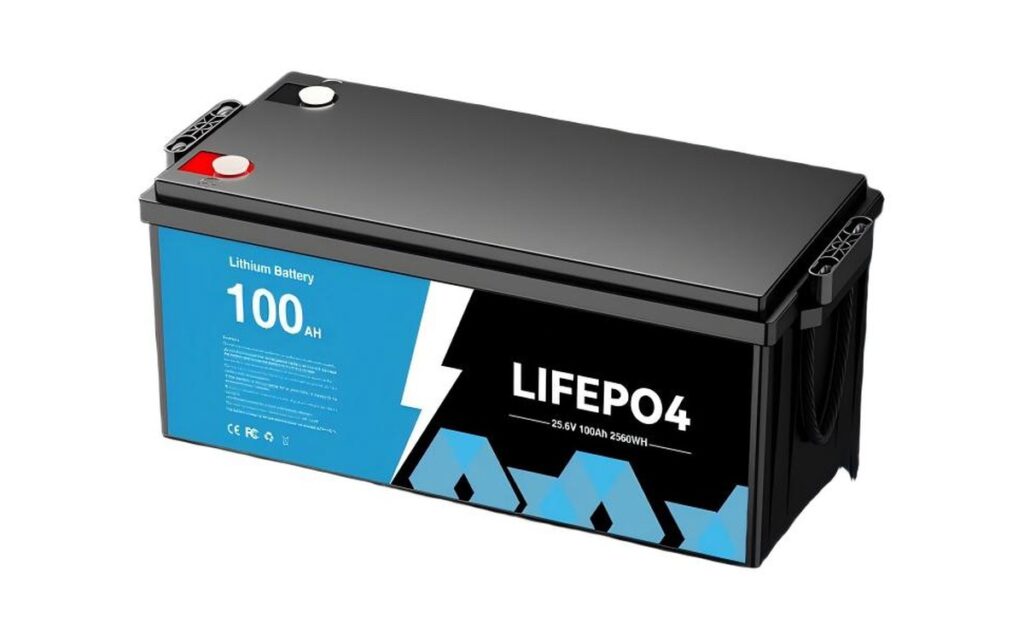 24V 100Ah LiFePO4 Deep-Cycle Battery
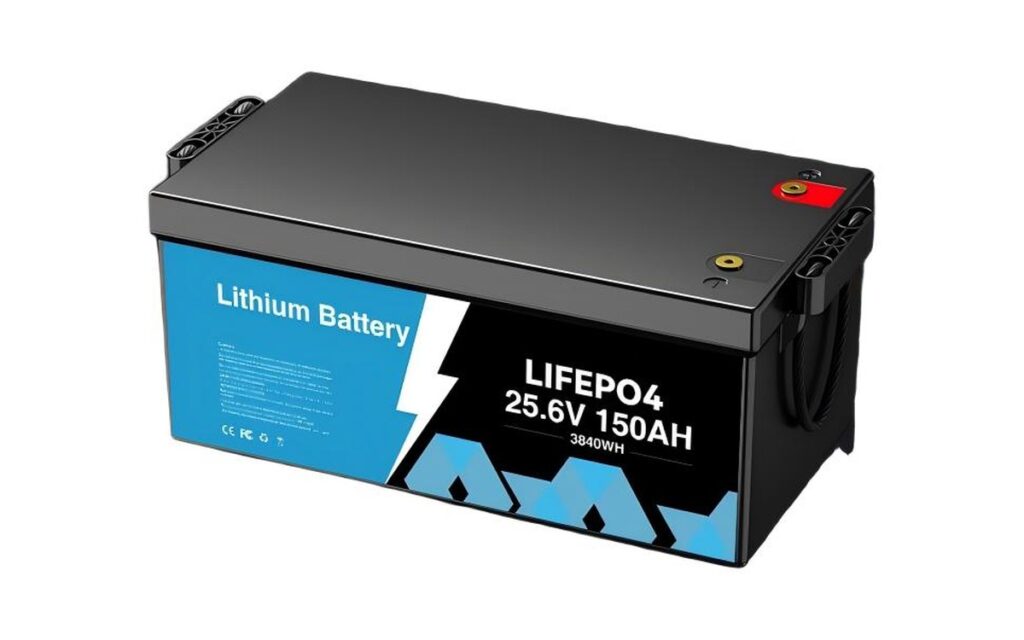 24V 150Ah LiFePO4 Deep-Cycle Battery
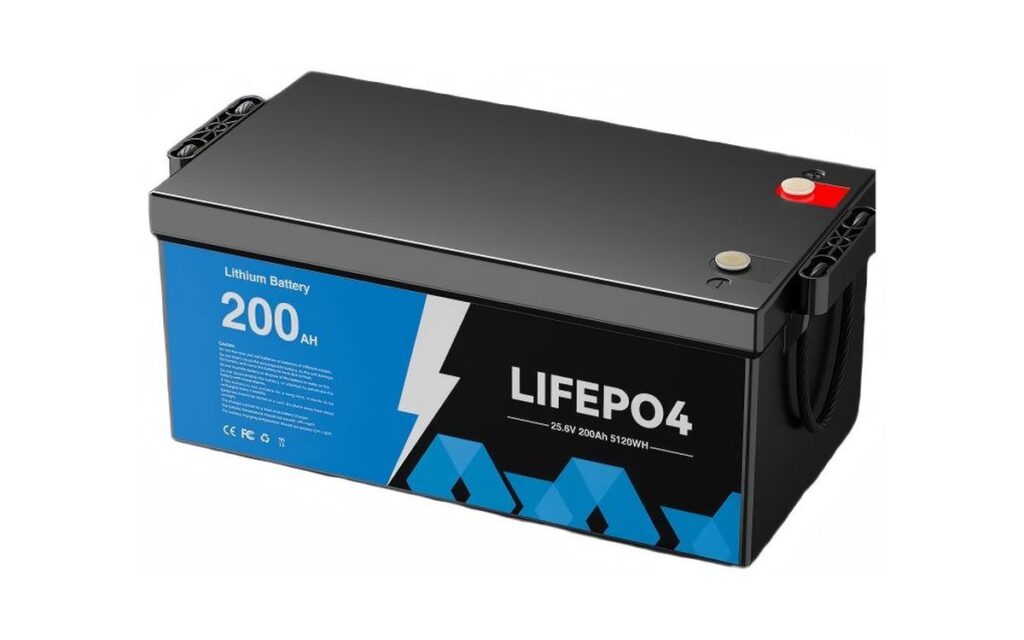 24V 200Ah LiFePO4 Deep-Cycle Battery
At a cruise draw of about 25–30A, roughly three to four hours; at full throttle nearer two hours. A 24V system with the same thrust uses half the current and roughly doubles runtime for the same Ah.
For anglers using the motor weekly, yes: a 100Ah LiFePO4 weighs about 11kg versus 30kg for AGM, delivers usable capacity down to 80–90% depth of discharge, and lasts several seasons longer. The weight saving alone matters in small boats.
Only through a DC-DC charger rated for lithium. A direct alternator connection can overheat the alternator and will not hold the correct absorption voltage.
Trolling Motor Battery FAQ
Runtime depends on measured average current, not only the motor’s maximum rating. Divide usable amp-hours by average current for an initial estimate, then include wind, current, hull weight, electronics and a return reserve.
Use the voltage specified by the motor manufacturer. Do not connect a 12V motor to a 24V supply. A native 24V battery can simplify wiring for compatible 24V motors.
The dedicated 12V 100Ah model publishes a 100A BMS, LCD display, 100A maximum discharge and a compact trolling-oriented enclosure. Confirm that 100A meets the motor and accessory peak current.
It may support combined loads when total current stays within the BMS and wiring limits. Separate sensitive electronics when required to reduce electrical noise or protect critical navigation equipment.
Use a charger compatible with the selected LiFePO4 model and voltage. Check charging voltage, maximum current and onboard-charger settings rather than assuming every lithium mode is identical.
Only when the selected model and BMS support the planned configuration. Use identical batteries, matched state of charge, equal cable paths and correctly sized fuses or breakers.
Check the model’s published charging and discharge temperature ranges. Several LINEX deep-cycle models discharge down to -20°C, but charging below 0°C is not supported unless the selected model provides suitable low-temperature charging protection.
Provide the motor voltage, motor model or current rating, expected operating time, boat type, electronics sharing the bank, charger details, installation space, quantity and destination.
Related Trolling Motor Resources
Browse all 12V and 24V deep-cycle battery models. Read the 12V, 24V and 36V trolling motor battery sizing guide and the 12V 100Ah fit and runtime guide.
Need a reliable LiFePO4 battery supplier?
Wholesale pricing · OEM/ODM · Flexible MOQ · Global shipping