12V 150Ah LiFePO4 Deep-Cycle Battery
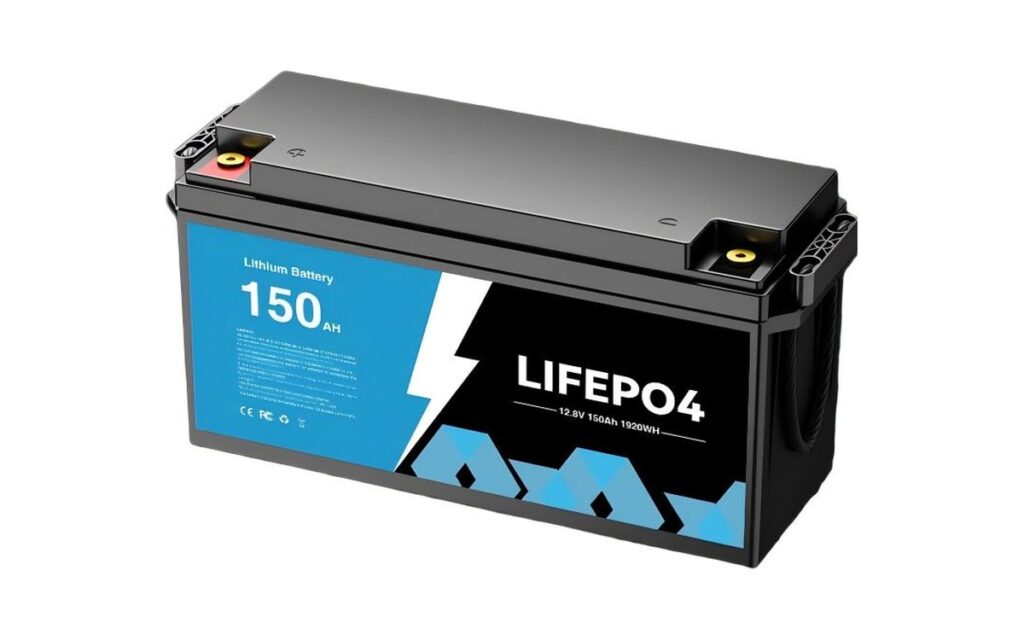
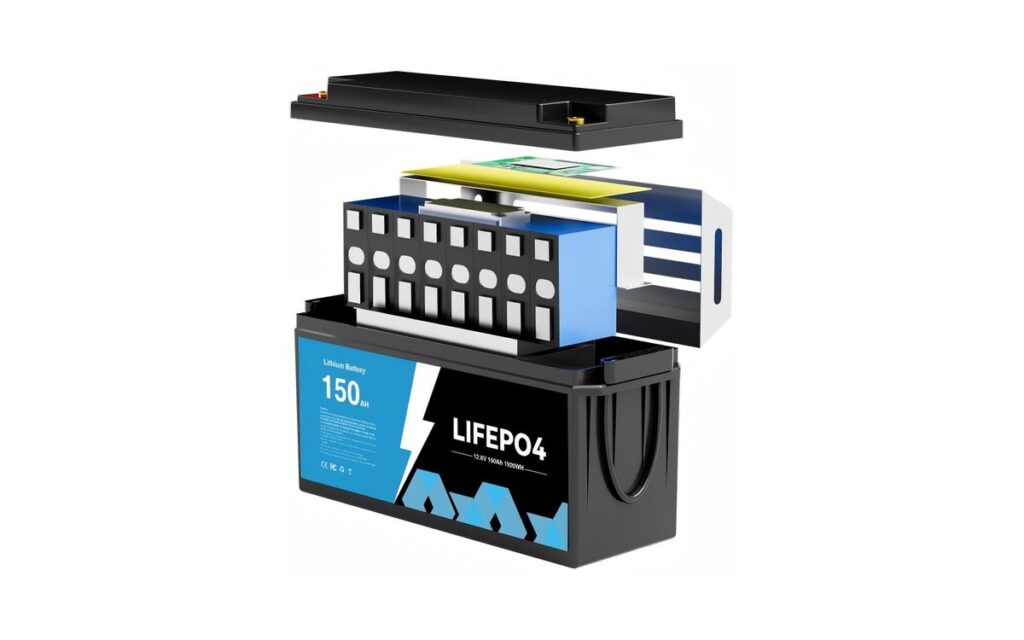
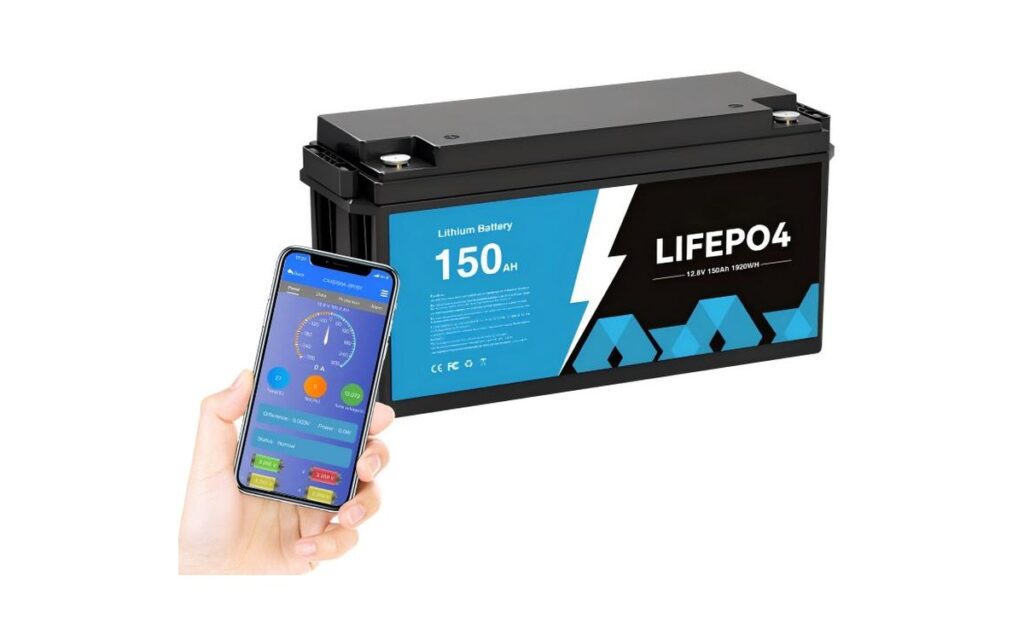
The LINEX 12.8V 150Ah LiFePO4 battery provides 1.92kWh of rated energy for higher-capacity RV, marine house-bank, solar and off-grid systems. It supports up to 145/150A continuous discharge and 1.28/1.92kW continuous power, with 72.5/75A recommended and 145/150A maximum charging current. Its built-in BMS, IP65 enclosure, approximately 15kg weight and 483 × 170 × 240mm case support projects where charger settings, current limits, cabling, protection and installation space have been verified.
Key Features
- ✓1.92kWh rated energy at 12.8V and 150Ah
- ✓Up to 145/150A continuous discharge and 1.28/1.92kW continuous power
- ✓72.5/75A recommended and 145/150A maximum charging current
- ✓Built-in BMS for voltage, current, short-circuit and temperature protection
- ✓IP65 enclosure for dust and water resistance
- ✓6,000-cycle rating at 25°C and 80% depth of discharge
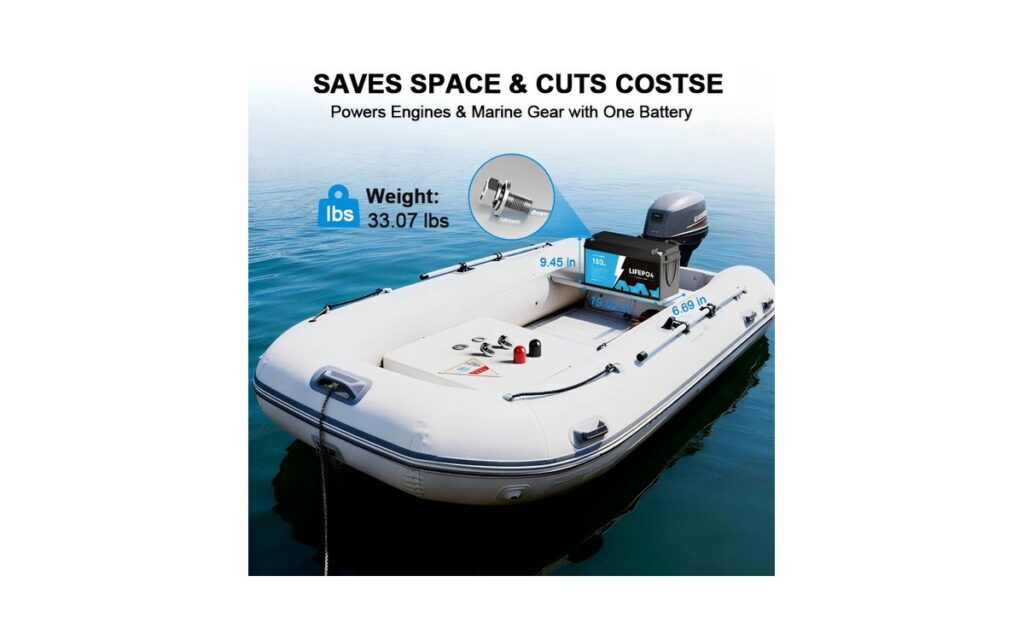
- ✓Approximately 15kg with a 483 × 170 × 240mm case
- ✓Designed for higher-capacity RV, marine house-bank, solar and off-grid systems
Technical Specifications
| Model | 12.8V 150Ah |
| Operating Voltage Range (V) | 8.8 ~ 14.6 |
| Nominal Voltage (V) | 12.8 |
| Nominal Capacity (Ah) | 150 |
| Minimum Capacity (Ah) | 145/148 |
| Rated Energy (Wh) | 1920 |
| Maximum Continuous Discharge Power (W) | 1280/1920 |
| Fast Charging Voltage (V) | 14.6 |
| Standby Charging Voltage (V) | 13.5 ~ 13.8 |
| Floating Charging Voltage (V) | 13.5 ~ 13.8 |
| Discharge Low Protection Voltage (V) | 8.8 ~ 10 |
| Standard Charging Current (A) | 29/30 |
| Recommended Charging Current (A) | 72.5/75 |
| Maximum Charging Current (A) | 145/150 |
| Standard Discharge Current (A) | 29/30 |
| Maximum Continuous Discharge Current (A) | 145/150 |
| Internal Resistance (mΩ) | ≤50/≤10 |
| Charging Temperature (°C) | 0 ~ 50 |
| Discharge Temperature (°C) | -20 ~ 60 |
| Cycle Life (25°C, 80% DoD) | 6000 |
| Cells Connection Configuration | 4S |
| Dustproof and Waterproof Level | IP65 |
| Weight (kg) | ≈15 |
| Product Size (LWH mm) | 483*170*240 |
Common FAQs
The model is intended for higher-capacity RV, marine house-bank, solar and off-grid systems. Confirm system voltage, load current, required operating time, charger profile, installation space and environmental conditions before selection. Rated energy is 1.92kWh, but actual runtime depends on the complete load and system efficiency.
Start with 1.92kWh of rated energy, then apply the selected depth of discharge, inverter or conversion losses, temperature effects, cable losses and reserve capacity. Divide usable watt-hours by the measured load in watts for an initial estimate rather than using Ah alone.
Use a charger compatible with the model's published voltage range. The technical table lists 29/30A standard, 72.5/75A recommended and 145/150A maximum charging current. Confirm charging voltage and current before installation.
The model publishes up to 145/150A continuous discharge and 1.28/1.92kW continuous power. Check inverter efficiency, surge current, cable size, fuse or breaker rating and BMS limits. Do not size the load from Ah capacity alone.
Replacement requires checking nominal voltage, charger profile, alternator or DC-DC charging, inverter settings, low-voltage protection, terminals, physical dimensions and maximum current. A similar case size does not confirm electrical compatibility.
Only when the selected model and BMS support the planned configuration. Use identical batteries with matched age and state of charge, equal cable paths and correctly sized protection. Confirm maximum series or parallel quantity before installation.
The published charging range is 0°C to 50°C and discharge range is -20°C to 60°C. The enclosure is rated IP65. IP65 does not permit continuous submersion, and charging below 0°C is not supported without suitable low-temperature protection.
Documentation for UN38.3, CE, RoHS and FCC review is available, with a 5-year warranty. Confirm destination-market requirements and provide the application, quantity, charging system, installation environment and destination with the inquiry.
RV, Marine & Trolling Resources
Use these application pages and guides to check voltage, energy use, charging compatibility, current limits and installation space before selecting a battery.