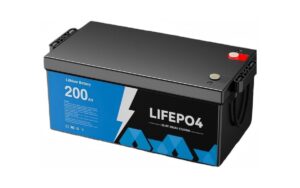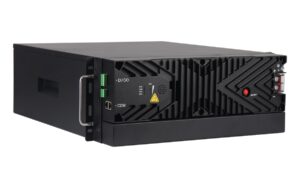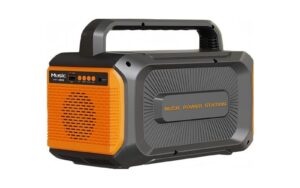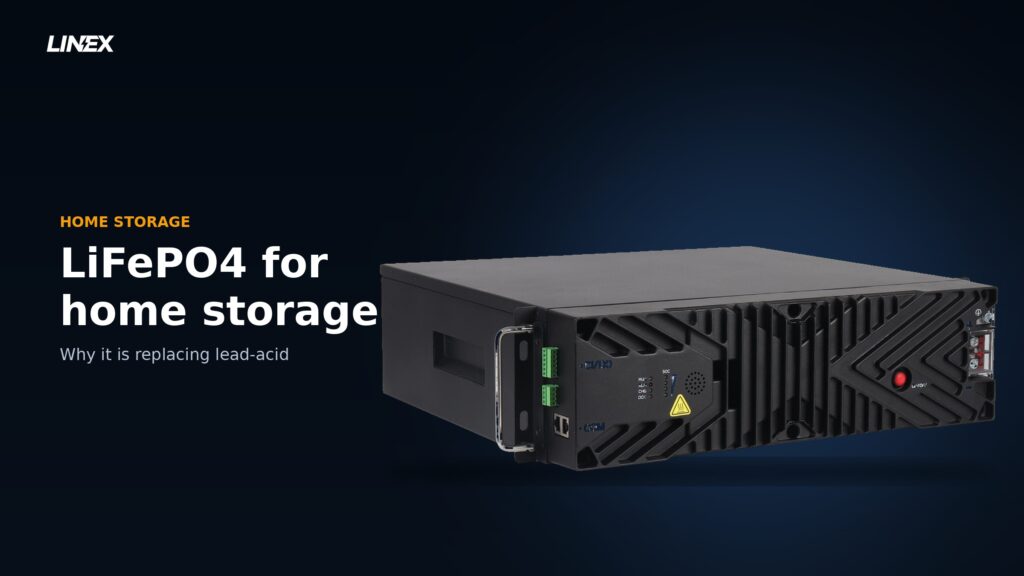
LiFePO4 (lithium iron phosphate) chemistry has become the clear winner in residential energy storage, and for good reason. Compared with lead-acid and other lithium chemistries, LiFePO4 delivers up to 5000+ charge cycles, 100% depth of discharge, and stable performance in temperatures from -20°C to 60°C.
Safety first
LiFePO4 is thermally stable and does not catch fire under normal operation, which makes it the safest battery chemistry for indoor home installation. Combined with a smart BMS, the system protects against over-voltage, over-current, over-temperature and short circuit automatically.
More usable capacity
A lead-acid battery can only safely use about 50% of its rated capacity. LiFePO4 can be discharged to 100%, which means a 5KWh lithium battery replaces a 10KWh lead-acid bank. Smaller, lighter and longer lasting.
Long-term value
Although the upfront price is higher, the cost per cycle over 10 years is typically 2-3x lower than lead-acid, making LiFePO4 the better investment for homes, shops and telecom sites alike.
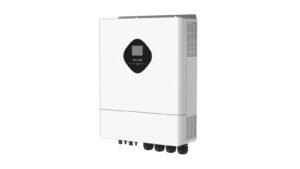
LINEX supplies wall-mounted and all-in-one ESS from 1KWh to 16KWh with hybrid and off-grid inverters, plus 12V/24V/48V battery systems for every application. Browse our residential storage range or talk to our team for a tailored quote.
Why LiFePO4 Wins in Residential Storage
| Factor | Lead-acid | LiFePO4 |
|---|---|---|
| Usable capacity | 50% of nameplate | 80–90% of nameplate |
| Cycle life | 300–500 | 3,000–6,000 |
| Footprint for 10kWh | Large, heavy, ventilated room | Rack or wall unit |
| Maintenance | Regular inspection | None |
| Round-trip efficiency | 80–85% | 95–98% |
Frequently Asked Questions
It delivers 80–90% usable capacity, lasts 3,000–6,000 cycles and needs no maintenance, which lowers the cost per usable kWh over ten years compared with lead-acid.
It covers essential loads such as lights, router, fridge and TV for about eight to ten hours at a 500W average load. Homes with air-conditioning or electric heating need 10–20kWh.
LiFePO4 does not vent hydrogen like flooded lead-acid, but the installation still needs airflow for heat removal and space for service access.