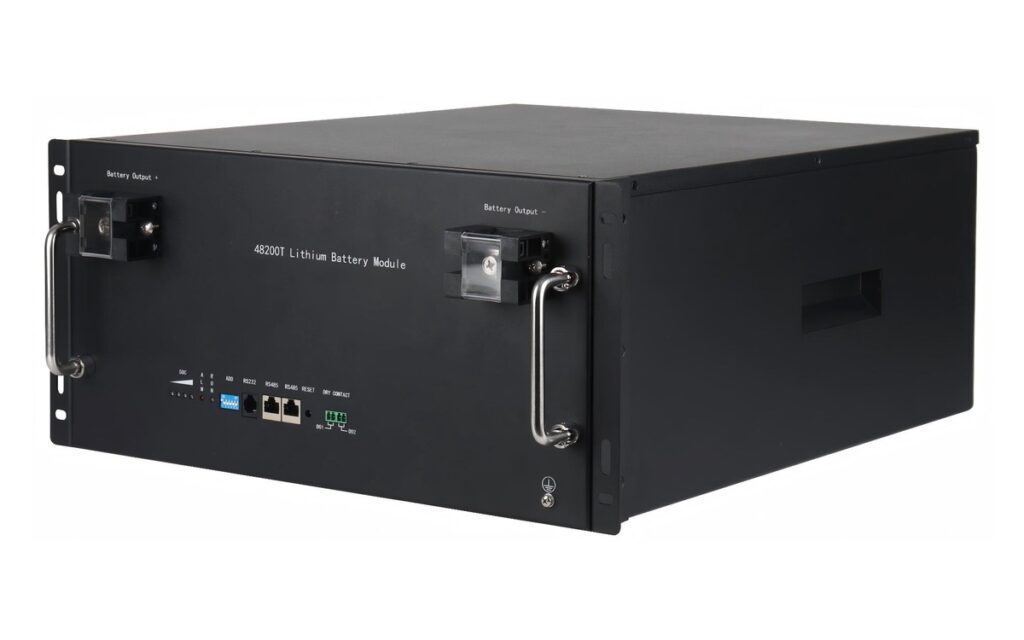
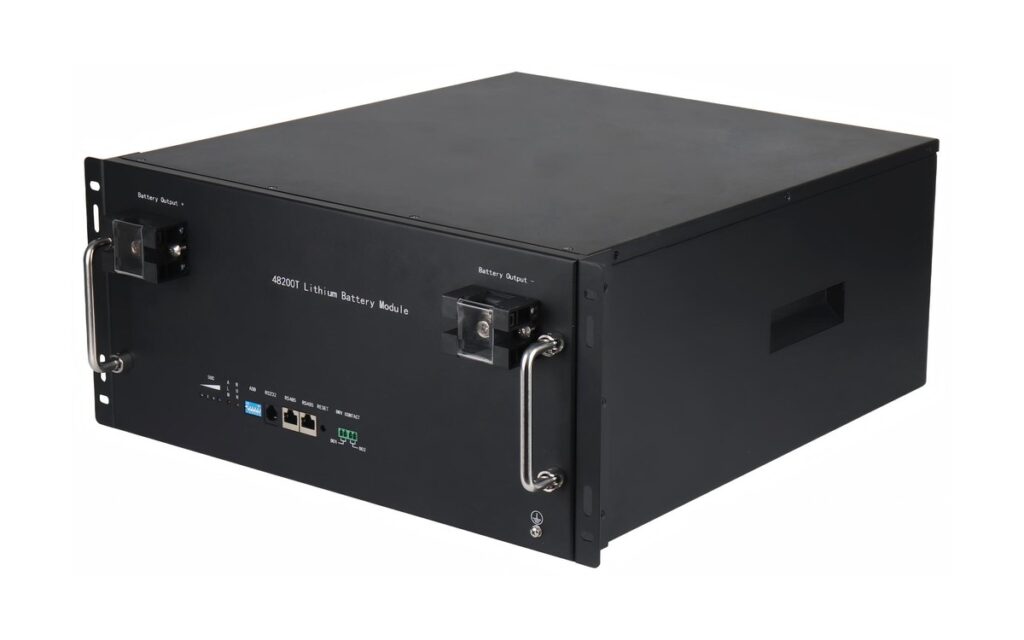
48V 200Ah Telecom LiFePO4 Battery
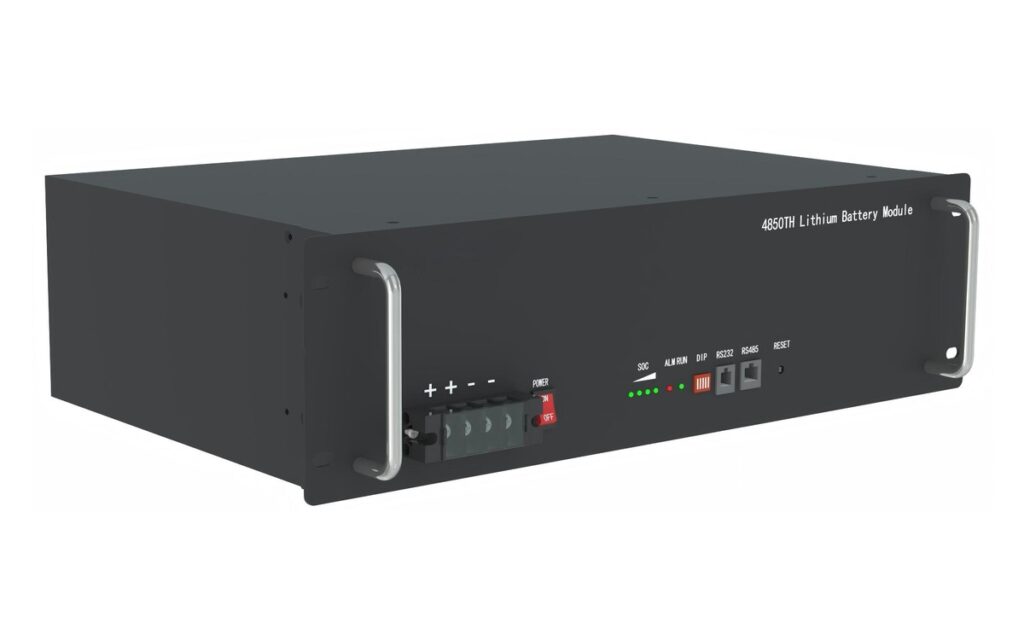
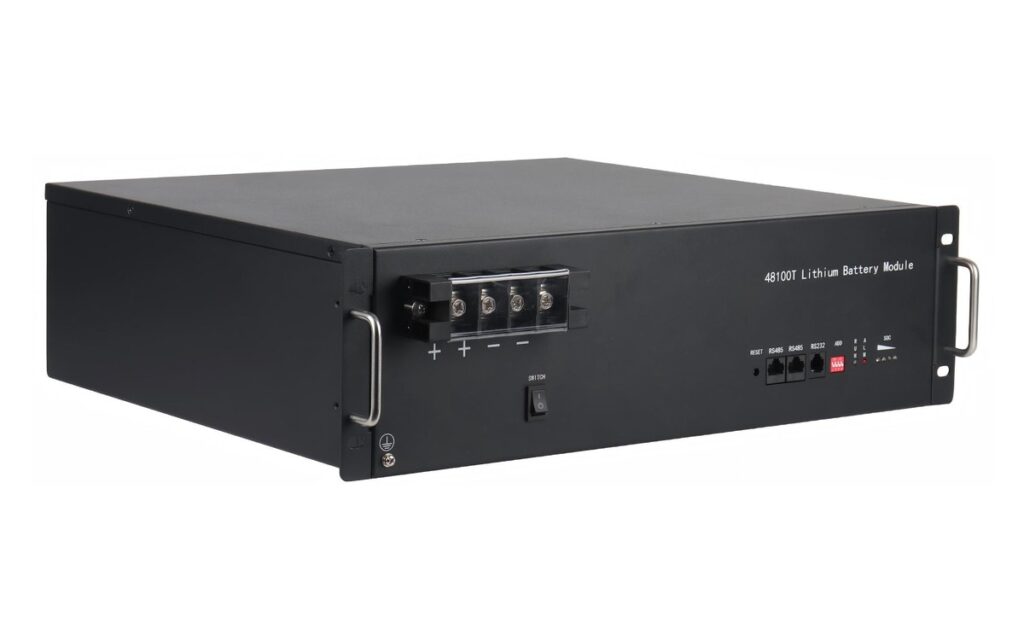
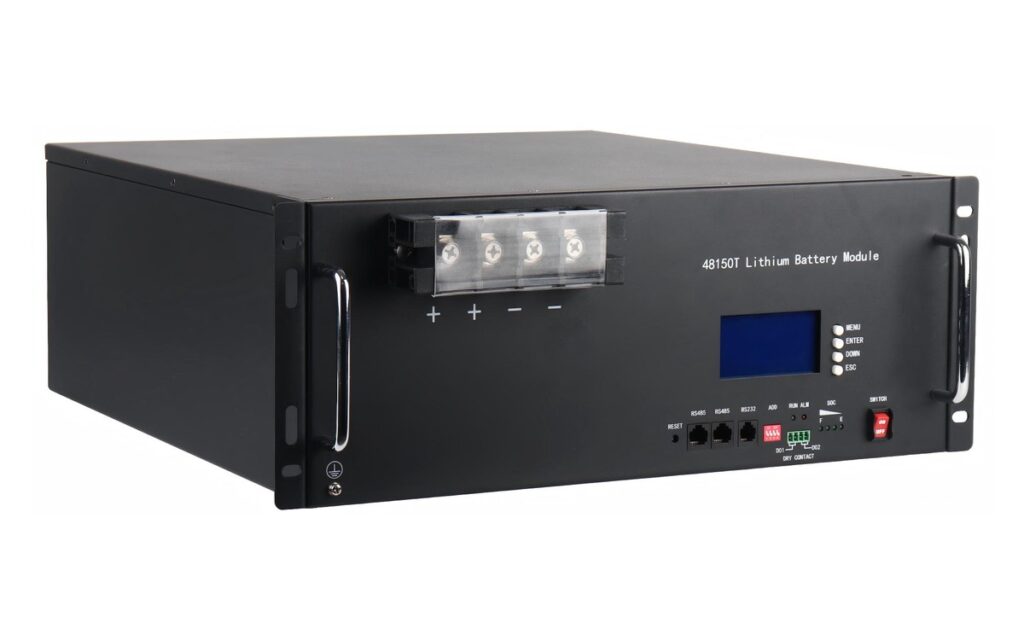
The Standard 48V 200Ah telecom LiFePO4 battery is a 9.6kWh rack-mounted module for high-capacity base station, remote-site, network and compatible UPS backup. It supports up to 100A charge and discharge at 25°C, with RS485/RS232 communication for monitoring and integration. Built-in BMS protection, Grade-A EVE or CATL cells, a 6,000-cycle rating at 80% DOD and a -20°C to 65°C discharge range support larger telecom power projects.
Key Features
- ✓9.6kWh nominal energy at 48V and 200Ah
- ✓Up to 100A charge and discharge at 25°C
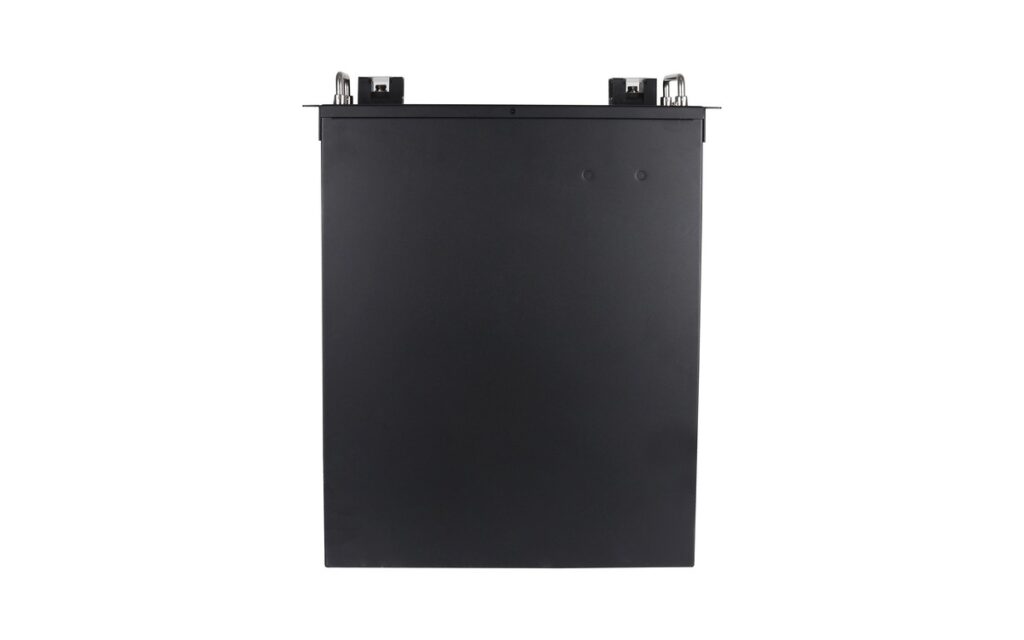
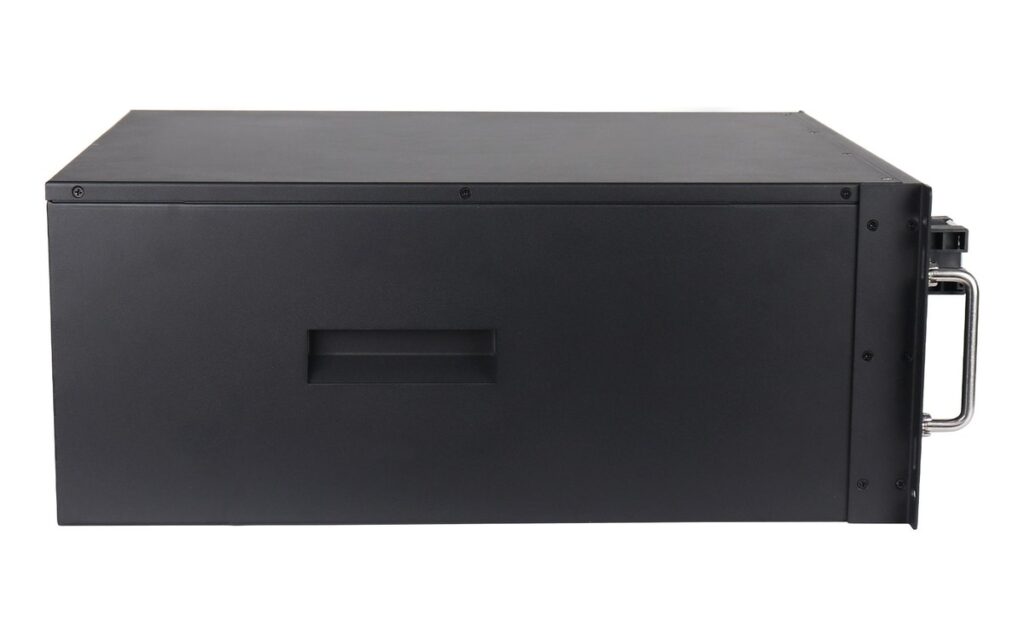
- ✓Rack-mounted 482 × 610 × 178mm enclosure
- ✓RS485 and RS232 communication for site monitoring
- ✓BMS protection for temperature, current, short circuit and over-discharge
- ✓6,000-cycle rating at 80% depth of discharge
- ✓Charge from 0°C to 65°C and discharge from -20°C to 65°C
- ✓Grade-A EVE or CATL LiFePO4 cells
Technical Specifications
| Model | 48V200AH |
| Anode / Cell Type | LiFePO4 |
| Nominal Voltage | 48Vdc |
| Equalization Charge Voltage | 53.3Vdc |
| Floating Charge Voltage | 51.0Vdc |
| Cutoff Discharge Voltage | 40.5Vdc |
| Max Charge / Discharge Current | 100A / 100A @25℃ |
| Installation Method | Rack mounted |
| Weight | 78kg |
| Size (WDH) | 482mm610mm178mm |
| Self Discharge @25℃ | < 5% in 90-day storage |
| Communication | RS485, RS232 |
| Protection Functions | Over temperature, over current, short circuit, over discharge, etc. |
| Cycle Life | 6000 cycles (80% DOD) |
| Working Temperature | Charge: 0℃ ~ 65℃; Discharge: -20℃ ~ 65℃ |
| Relative Humidity | 5% ~ 95% |
| Altitude | 0 ~ 6000m |
Common FAQs
The battery provides 9.6kWh of nominal energy for larger telecom base stations, remote sites, network backup and compatible UPS systems. Select the number of modules from measured site load, required backup duration, usable depth of discharge, system losses, temperature and the reserve required for capacity aging.
Multiply the site's average DC load by the required backup hours, then account for usable system efficiency, depth of discharge, temperature, cable losses and aging reserve. Actual runtime depends on the complete load profile and cannot be determined from the 200Ah rating alone.
This rack-mounted module measures 482 × 610 × 178mm and weighs 78kg. Confirm rack depth, vertical clearance, structural load capacity, ventilation, cable routing and service access before installation. The cabinet and shelf structure must support the battery safely throughout operation and maintenance.
Check the charging profile against 53.3V equalization, 51.0V float and 40.5V discharge cutoff. Also confirm charge-current limits, low-voltage disconnect settings, cable size, protection devices and communication requirements. Nominal 48V alone does not confirm compatibility.
Parallel expansion requires an engineering review of the battery configuration, state of charge, firmware, communication settings, busbars, cable lengths, current sharing and overcurrent protection. Provide the planned quantity, rectifier details and site load so the proposed architecture can be checked before installation.
RS485 and RS232 communication are available for integration with compatible site controllers, rectifiers or monitoring systems. Confirm the protocol, connector, register map and alarm requirements during project evaluation because the communication interface must match the equipment already used at the site.
Replacement is possible only after checking rack space, rectifier voltage, charging current, low-voltage disconnect, cables, fuses or breakers and monitoring requirements. Existing lead-acid and lithium configurations should not be mixed or staged without validating the power-system logic and protection coordination.
Documentation for UN38.3, CE, RoHS and FCC review is available, with a 5-year warranty. Confirm the exact documents required by the destination market and project tender before ordering, and include the intended application, quantity, installation environment and destination in the inquiry.
Telecom Project Resources
Use these resources to compare site configurations, estimate backup capacity, and prepare the technical details required for a 48V telecom battery quote.