
48V vs 51.2V LiFePO4 Batteries: Which Voltage Is Right for Your System
Quick Summary: 48V and 51.2V LiFePO4 batteries are both “48V-class” products. The real difference is cell count: 15 cells in series produce 48.0V nominal,…
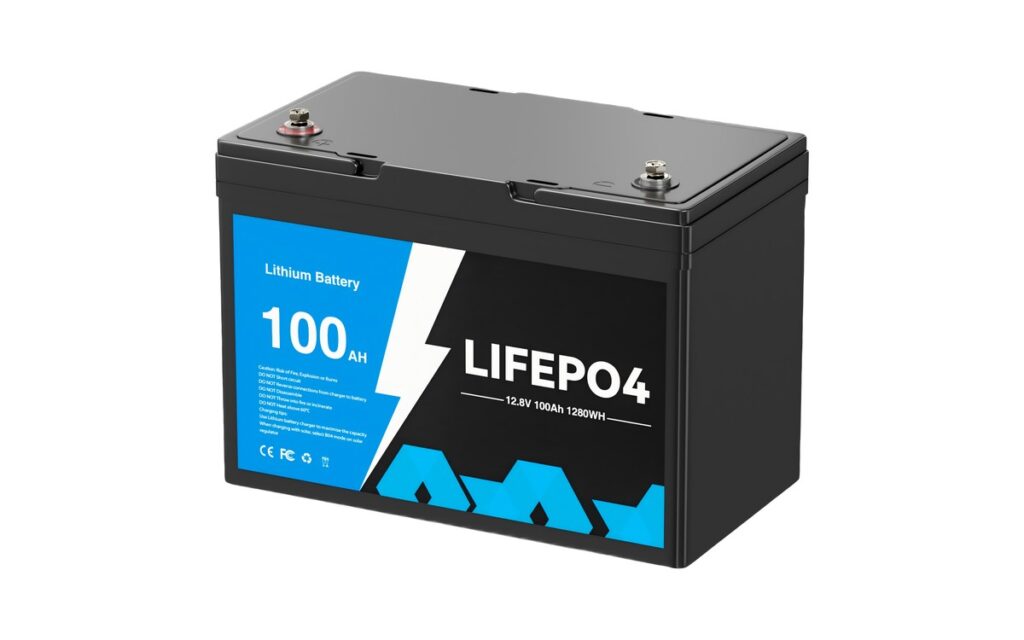
Battery Types & Sizes: A Buyer’s Guide
Quick Summary: Battery types describe the chemistry and construction, while battery sizes usually refer to capacity and voltage. For sourcing, select the chemistry, Ah…
What 6,000 Cycles Really Means: LiFePO4 Cycle Life Explained
Quick Summary: a rating of 6,000 cycles usually means the LiFePO4 battery can complete approximately 6,000 charge-and-discharge cycles under defined laboratory conditions, commonly at…
LiFePO4 vs NMC vs AGM: Which Battery Chemistry Fits Your Project?
Quick Summary: Choose LiFePO4 for long-life solar storage, RV systems, and repeated daily cycling; choose NMC when compact size, high energy density, and stronger…
How to Size a Lithium Battery Bank: Ah, kWh and Depth of Discharge, Explained
Quick Summary: kWh tells you the battery bank’s total energy, Ah tells you how much charge it stores at a specific voltage, and Depth…
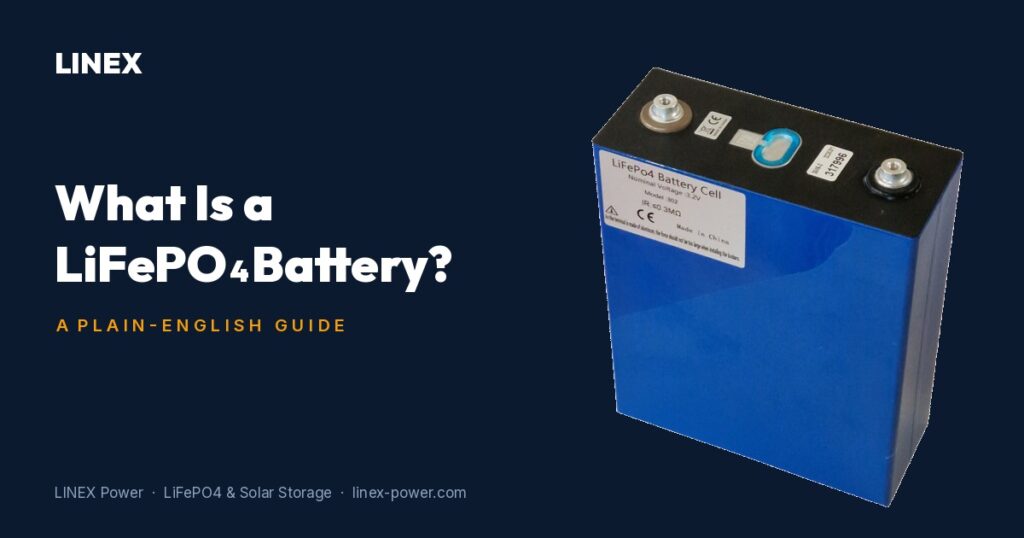
What Is a LiFePO4 Battery? A Plain-English Guide
Quick Summary: LiFePO4, short for lithium iron phosphate, is a rechargeable lithium battery chemistry known for long service life, strong thermal stability, and dependable…
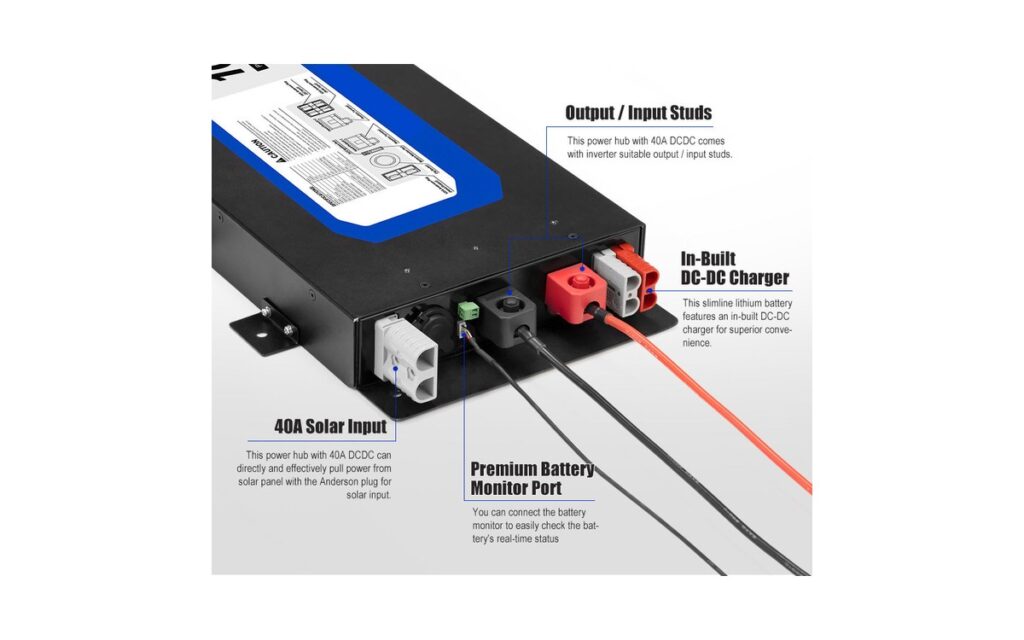
What Goes Into a LINEX LiFePO4 Battery: Cells, BMS and Testing
Quick Summary: LINEX LiFePO4 batteries use Grade-A cells from tier-one makers like EVE and CATL, with 100-150A smart BMS, 100% pre-shipment testing, and full…
12V 100Ah LiFePO4 Battery: Weight, Fit and Runtime Numbers
Quick Summary: The LINEX 12.8V 100Ah LiFePO4 battery has 1,280Wh rated energy, weighs approximately 10kg, measures 332 × 172 × 218mm and is rated…
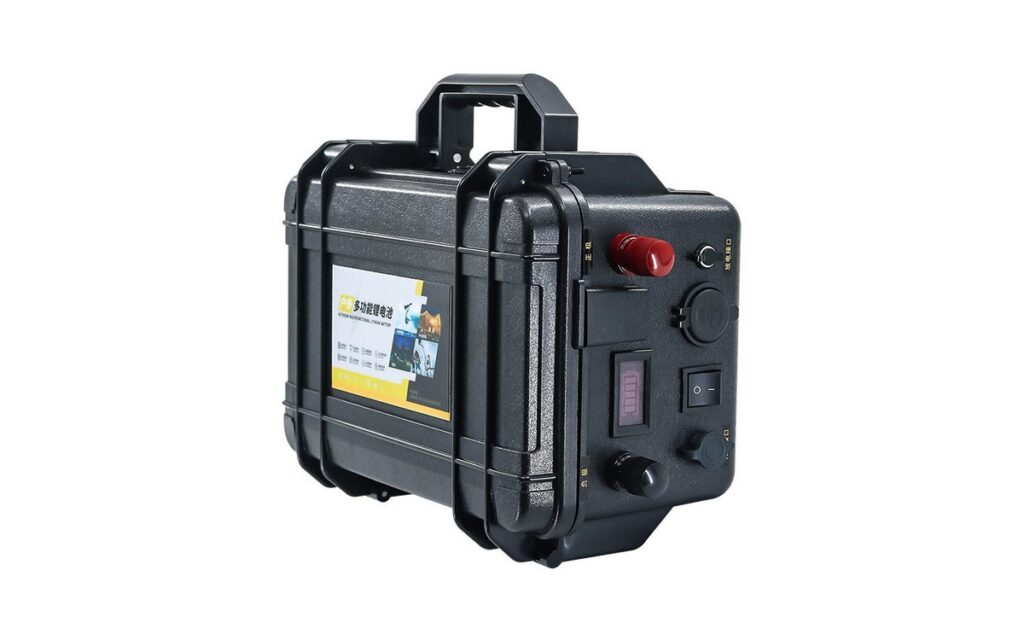
Trolling Motor Battery: How to Size 12V, 24V or 36V Lithium
Quick Summary: Size a trolling motor battery from the motor’s rated voltage, measured average current and required operating time. A 12.8V 100Ah battery has…

Marine Deep Cycle Battery: How to Choose One That Lasts
Choosing a marine deep cycle battery? Here's how to match chemistry, capacity and charging to real boat use, so the battery lasts, not just…
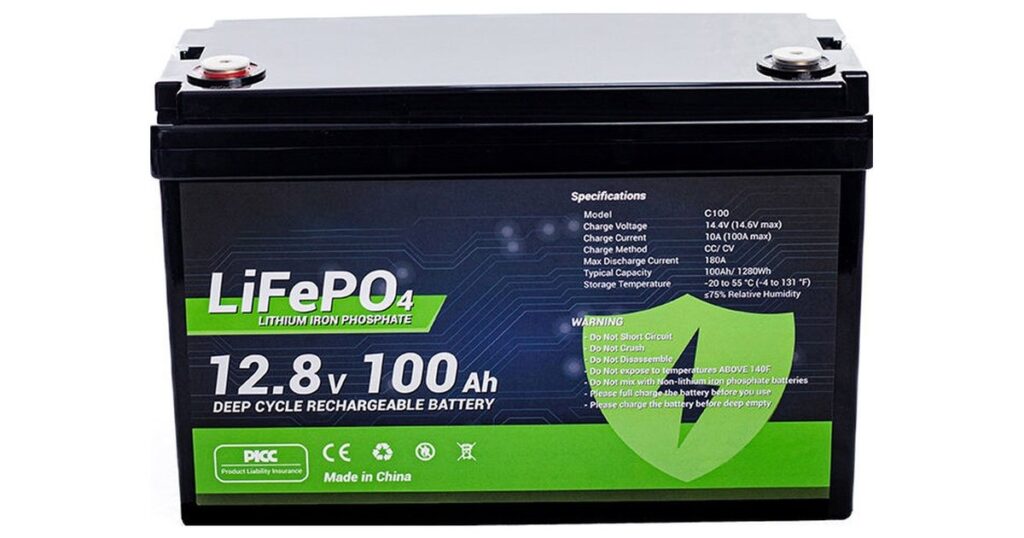
RV Lithium Battery Upgrade: 5-Step Checklist from a Factory
Switching your RV from lead-acid to LiFePO4? Five checks decide whether it goes smoothly: capacity, charger, fit, BMS, and your voltage monitor.

12V 100Ah LiFePO4 Buying Guide: Price, Weight & Checklist
Buying a 12V 100Ah LiFePO4 battery? Here's what price, weight, voltage and cycle life really tell you, and what to check before you order.