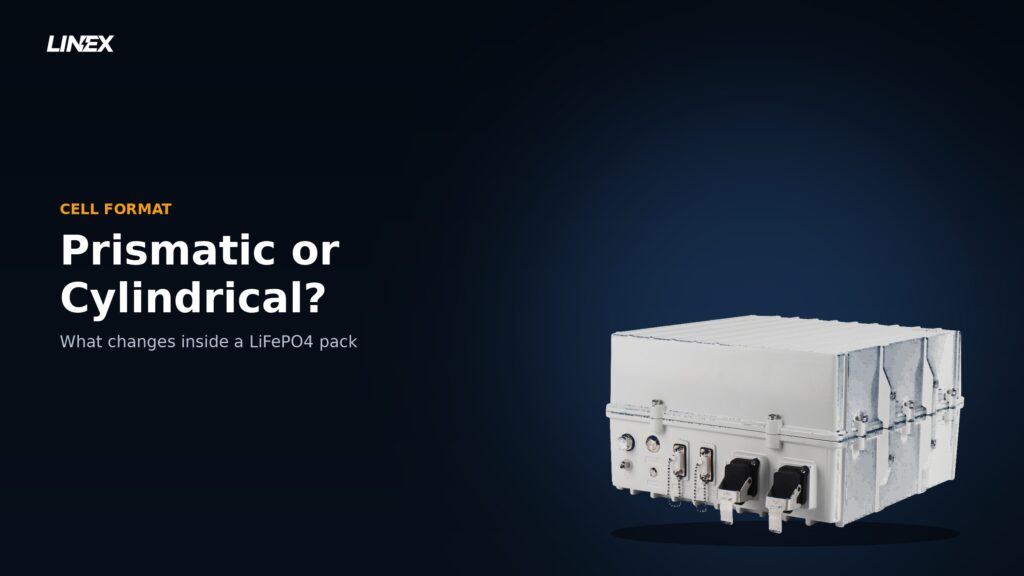
Cell format is a packaging choice, not a chemistry change
A LiFePO4 cell has a nominal voltage of 3.2V whether it comes in a rectangular can or a round one. A prismatic cell is a rectangular can with flat faces. A cylindrical cell winds the same electrode layers into a “jelly roll” and seals it in a metal can. A pouch cell uses a foil bag. The format changes part count and heat path. It also decides how the pack fits its enclosure, not the 3.2V nominal voltage.
The LINEX Ultra Slim 12V 200Ah datasheet states the cell type directly: “Prismatic LiFePO4 cells.” The 12V 100Ah and 12V 200Ah packs both use a 4S configuration, which means four series groups to reach 12.8V nominal.
A 12V 100Ah prismatic pack needs four cells
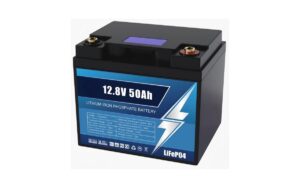
Four 3.2V 100Ah prismatic cells in series give 12.8V and 100Ah, or 1,280Wh. The 12V 100Ah datasheet lists “Cells Connection Configuration: 4S” and a rated energy of 1,280Wh. The case is 332 x 172 x 218mm and weighs about 10kg.
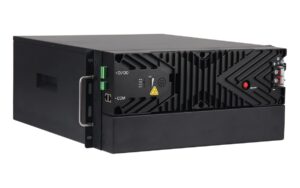
The 12V 200Ah pack uses the same 4S layout and doubles the energy to 2,560Wh. The 48V 50Ah pole-mounted telecom pack goes further: its datasheet lists 16 cells of 3.2V/50Ah, a 16S layout that reaches 48V nominal and 2.4kWh. A 48V 100Ah rack module stores 4.8kWh in a 3U case.
| Model | Nominal voltage | Series groups | Cell detail published | Rated energy | Weight |
|---|---|---|---|---|---|
| 12V 100Ah | 12.8V | 4S | not listed | 1,280Wh | about 10kg |
| 12V 200Ah | 12.8V | 4S | not listed | 2,560Wh | about 22kg |
| 48V 50Ah pole | 48V | 16S | 16 x 3.2V/50Ah | 2,400Wh | about 22.2kg |
| 48V 100Ah rack | 48V | not listed | not listed | 4,800Wh | 43kg |
The table counts series groups, not parallel strings. A 4S pack has four groups of cells, and each group can be one large prismatic cell or many small cylindrical cells wired in parallel.
Cylindrical cells multiply the part count
A 3Ah cylindrical LiFePO4 cell cannot deliver 100Ah on its own. The pack needs 34 cells in parallel to make one 100Ah group, and four groups in series to reach 12.8V. That is 136 cells. At 6Ah per cell, the count falls to 68. At 1.5Ah per cell, it rises to 268.
Each cylindrical cell needs two welded connections, one at each terminal. A 136-cell pack therefore needs about 272 welds. A four-cell prismatic pack needs three inter-cell busbars plus two terminal connections, or ten bolted connections if each joint uses two bolts. The assembly step changes from a welding jig with hundreds of pull tests to five torque checks.
| Cell format | Cell capacity | Parallel per group | Series groups | Total cells | Welds or joints (planning) |
|---|---|---|---|---|---|
| Prismatic | 100Ah | 1 | 4 | 4 | 10 bolted |
| Cylindrical 32700 | 6Ah | 17 | 4 | 68 | about 136 welds |
| Cylindrical 21700 | 3Ah | 34 | 4 | 136 | about 272 welds |
| Cylindrical 18650 | 1.5Ah | 67 | 4 | 268 | about 536 welds |
The weld count assumes two spot welds per cylindrical cell. It is a planning figure, not a specification. The cell count gap is 17 to 67 times, which is the number that drives jig design, inspection time and scrap rate.
The BMS balances series groups, not parallel cells
A battery management system measures voltage at each series group. A 4S pack has four balance channels whether each group is one 100Ah prismatic cell or 34 parallel 3Ah cylindrical cells. Adding parallel cells does not add balance channels, but it adds cells that must match in capacity and internal resistance.
Parallel cells share current. If one cell has a higher resistance, the others carry more of the load, and the group drifts. The BMS sees the group voltage, not the current inside each parallel cell. A 136-cell pack has 136 chances for a weak weld, a mismatched cell or a high-resistance contact. That is why cell matching and weld inspection matter more as the part count rises.
Cycle life comes from the cell, not the can shape
The 12V 100Ah, 12V 200Ah and 48V 100Ah rack packs are rated for 6,000 cycles at 25°C and 80% depth of discharge. The 48V 50Ah pole pack is rated for at least 6,000 cycles. The number comes from the cell and the pack qualification test, not from the shape of the can.
A cylindrical pack with a poor weld can fail before its cells reach the cycle rating. A prismatic pack with uneven compression can do the same. Cell quality, charge and discharge current, temperature and depth of discharge set the real service life. The format sets how hard those conditions are to control.
Prismatic cells fit rectangular battery cases
A prismatic cell has flat faces, so cells stack without gaps and can be clamped. The 12V 100Ah case measures 332 x 172 x 218mm and weighs about 10kg. The 12V 200Ah case measures 524 x 245 x 220mm and weighs about 22kg. The rectangular case follows the cell shape, so most of the internal volume carries active material.
A cylindrical pack needs holders, spacers and a welded lattice. The round cans leave voids, and the holder adds volume. The trade is heat. A large prismatic cell has a longer path from the center of the stack to the case, so the pack needs a compression plate and a thermal path to the enclosure. A cylindrical cell has a short radial path and more surface area per cell, but the pack must move heat from hundreds of small cans.
What to ask a cell supplier before ordering
Ask for the cell datasheet with format, capacity, internal resistance and cycle test conditions. Ask whether the capacity is typical or minimum. For prismatic cells, ask how the pack applies compression and whether the cells are matched by capacity and resistance. For cylindrical cells, ask for the weld process, the pull test record and the number of welds per cell.
Ask for the BMS balance channel count and the parallel cell matching tolerance. Ask for a UN38.3 report that names the cell, not just the pack model. The LiFePO4 datasheet guide explains which lines to check, and the cell verification checklist covers batch codes and sample testing.
The 12V 100Ah LiFePO4 battery is a 4S prismatic pack in a 332 x 172 x 218mm case. The 12V 200Ah model doubles the energy in a longer case. The lithium battery pack vs cells guide covers the buy-or-build decision, and the 48V lithium battery line lists the 16S telecom and rack models.
Frequently asked questions
Neither format is better in every case. Prismatic cells reduce part count and fit rectangular cases, which suits 12V, 24V and 48V packs from 50Ah to 300Ah. Cylindrical cells spread heat across many small cans and use mature welding processes, which suits smaller packs and high-volume production.
A prismatic 12V 100Ah pack uses four 3.2V 100Ah cells in series. A cylindrical pack with 3Ah cells uses 136 cells: 34 in parallel per group, four groups in series.
Yes, but the pack needs 16 series groups and enough parallel cells to reach the required capacity. A 48V 50Ah pack built from 3Ah cells needs about 272 cells, against 16 prismatic cells in the LINEX 48V 50Ah pole model.
The published cycle rating depends on the cell and the test conditions, not the can shape. The LINEX 12V packs and 48V rack module are rated at 6,000 cycles at 25°C and 80% depth of discharge. Welding quality, compression and thermal design decide whether the pack reaches that rating.
A prismatic LiFePO4 cell can expand slightly as it charges. The pack uses compression plates or a rigid case to keep the stack flat and the internal contact even. Uneven compression can raise resistance and shorten service life, so the assembly method matters as much as the cell datasheet.
Sources: LINEX 12V 100Ah datasheet (12.8V, 100Ah, 1,280Wh, 4S, IP65, about 10kg, 332 x 172 x 218mm, 6,000 cycles at 25°C and 80% DoD, checked 2026-11-15); LINEX 12V 200Ah datasheet (12.8V, 200Ah, 2,560Wh, 4S, IP65, about 22kg, 524 x 245 x 220mm, checked 2026-11-15); LINEX 48V 50Ah pole-mounted datasheet (48V, 50Ah, 2,400Wh, 16 cells of 3.2V/50Ah, IP65, about 22.2kg, checked 2026-11-15); LINEX 48V 100Ah telecom datasheet (48V, 100Ah, 4,800Wh, 3U, 43kg, IP20, 6,000 cycles at 25°C and 80% DoD, checked 2026-11-15); Ultra Slim 12V 200Ah datasheet (prismatic LiFePO4 cells, 2,560Wh, checked 2026-11-15); Wikipedia, Lithium-ion battery, cell construction section (cylindrical jelly roll, prismatic and pouch formats, checked 2026-11-15). Last updated 2026-11-15.