A cell stores energy; a pack makes it usable
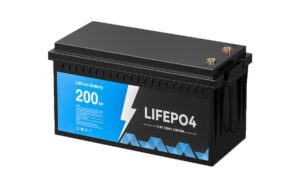
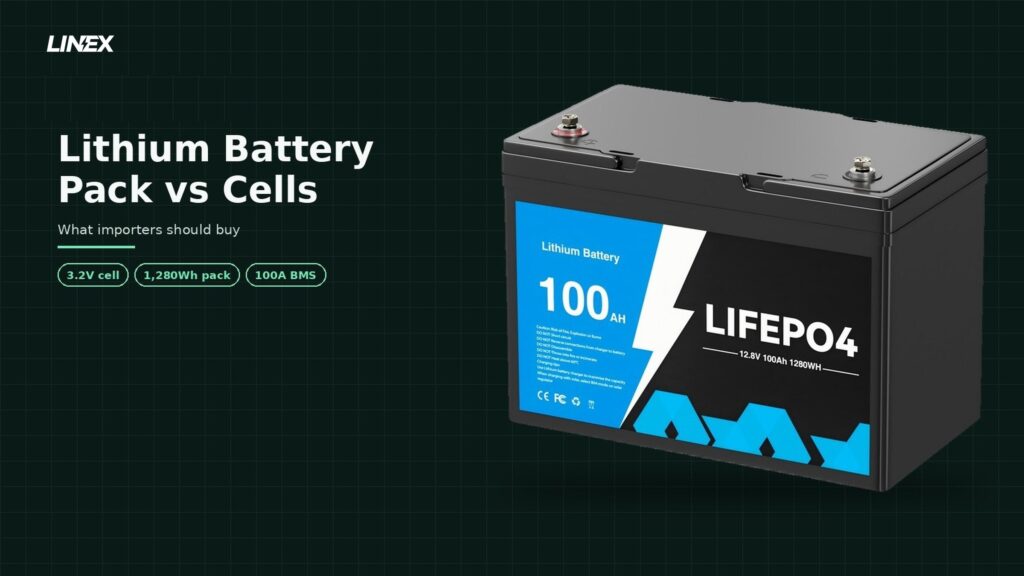
A 3.2V 100Ah LiFePO4 cell stores 320Wh, and a finished pack adds the BMS, busbars, case, terminals and test record that turn those cells into a product. The cell is the storage unit. The pack is what a customer can wire into an inverter, a charger or a vehicle.
The BMS cuts the string at high and low voltage, balances the cells during charging, and trips on over-current, short circuit and over-temperature. The case adds an IP rating, a mounting pattern and a terminal type. None of that exists when an importer buys cells alone.
A 12V 100Ah pack is four cells plus a 100A BMS
The 12V 100Ah LINEX pack uses a 4S cell configuration, stores 1,280Wh, and limits continuous discharge to 100A. It weighs about 10kg in a 332 × 172 × 218mm case with IP65 protection.
The electrical detail matters more than the label. Maximum charge current is 100A, standard charge current is 20A, and the recommended charge current is 50A. At 12.8V nominal, 100A is 1,280W. The same 100A BMS in a 48V pack gives 4,800W, which is why amp-hour labels cannot be compared across voltages.
The pack is rated for 6,000 cycles at 80% depth of discharge, charges from 0°C to 50°C, and discharges from -20°C to 60°C. Those limits belong to the complete pack, not to the bare cell.
Pack voltage sets the cell count
A 12V pack needs four cells in series, a 24V pack needs eight, and a 51.2V pack needs sixteen, so the same 100Ah cell produces very different pack energy. The 12V 100Ah pack is 4S at 1,280Wh, while the 24V 200Ah pack is 8S at 5,120Wh.
| Pack | Configuration | Nominal energy | Max continuous discharge | Weight | Case (L × W × H) |
|---|---|---|---|---|---|
| 12V 50Ah | 4S | 640Wh | 50A | 5kg | 228 × 138 × 211mm |
| 12V 100Ah | 4S | 1,280Wh | 100A | 10kg | 332 × 172 × 218mm |
| 12V 200Ah | 4S | 2,560Wh | 100A | 22kg | 524 × 245 × 220mm |
| 24V 100Ah | 8S | 2,560Wh | 100A | 22kg | 524 × 245 × 220mm |
| 24V 200Ah | 8S | 5,120Wh | 100A | 40kg | 523 × 269 × 222mm |
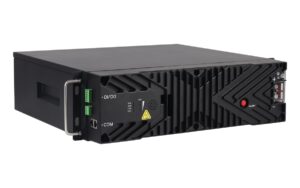
| 48V 100Ah rack | 15S | 4,800Wh | 100A | 43kg | 442 × 420 × 133mm |
The 48V rack model lists a 53.3V equalization charge, which works out to 15 cells at 3.55V each. Pack-level gravimetric density stays between 112Wh/kg and 128Wh/kg across these models, so a heavier pack usually means more cells rather than a different cell chemistry.
A 12V 200Ah pack and a 24V 100Ah pack both store 2,560Wh in the same 524 × 245 × 220mm case at 22kg. The 24V version delivers twice the power at the same 100A, because power is voltage multiplied by current.
Cells only suit buyers who already run an assembly line
A bare cell has no BMS, no enclosure and no pack-level UN38.3 test report, so buying cells moves four jobs onto your own line. Those jobs are cell matching, busbar welding, BMS configuration, and pack-level testing.
Cell matching means grouping cells by capacity and internal resistance before assembly. A 12V 100Ah pack needs four matched 100Ah cells; a 51.2V 100Ah pack needs sixteen. One weak cell limits the whole string, and the BMS will spend its life balancing around it.
Busbar welding needs a spot welder or a laser welder, a fixture and a pull test. BMS configuration needs the software, the trip points and a discharge test. Pack-level testing needs a UN38.3 report on the finished pack, not on the cells that went into it.
The buyer who assembles packs also carries the warranty for the assembly. If a terminal loosens or a busbar overheats, the cell maker will point at the assembly and the assembler will point at the cells.
Compare pack quotes per kWh, not per amp-hour
A 12V 100Ah pack holds 1.28kWh and a 48V 100Ah rack module holds 4.8kWh, so the same 100Ah label spans a factor of 3.75 in energy. Divide the quoted price by the kWh figure before comparing two offers.
The same rule applies inside one voltage class. A 12V 200Ah pack and a 12V 100Ah pack differ by 2x in energy and about 2.2x in weight, so the heavier pack is not automatically the better value per kilogram.
Ask what the quote includes: BMS continuous current, case IP rating, terminal type, test report, packaging and pallet count. A low per kWh figure with a 50A BMS is not the same product as a higher figure with a 100A BMS.
The BMS current sets the load, not the Ah rating
A 100A BMS at 12.8V carries 1,280W, while the same 100A BMS at 48V carries 4,800W, so the load limit depends on voltage and current together. The 24V 100Ah pack sits in the middle at 2,560W.
An inverter rated above that ceiling will trip the BMS on surge even when the pack has the energy for hours. A 3,000W inverter on a 12V 100Ah pack asks for about 234A before losses, more than twice the 100A continuous rating.
Ask for the continuous rating at 25°C and the peak rating with its duration. Some datasheets publish only one of the two, and the missing number is usually the one that decides whether the inverter starts.
Pack documents must name the pack model
A UN38.3 test summary covers one pack model, and a 12V 100Ah pack at 1,280Wh sits above the 100Wh line where lithium ion batteries fall under Class 9 for air freight. The summary has to name the pack model and the cell model inside it.
A cell-level report does not cover the pack you are importing. Customs and carriers check the pack model against the packing list, so a generic certificate with no model number is a delay waiting to happen.
The file set is the UN38.3 test summary, the MSDS, and a packing list with net weight and dimensions per carton. Keep the document version with the shipment, because the forwarder may ask for it after the cargo has left the factory.
The buy decision in one table
The split between cells and packs is a question of capability, not order size. An importer without welding, balancing and test equipment should buy packs even at a higher unit cost, because the pack supplier carries the assembly risk.
| Buyer profile | Assembly capability | Buy | Reason |
|---|---|---|---|
| Distributor selling to installers | None | Finished 12V and 24V packs | Pack warranty and documents match the model sold |
| Telecom or IT integrator | Rack and stacking only | 48V 100Ah rack modules | 19-inch 3U, 100A, 43kg |
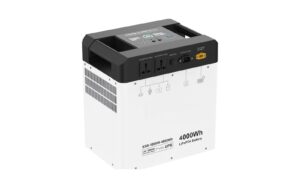
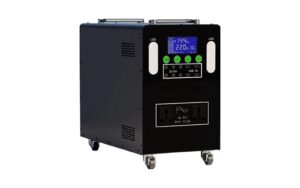
| Solar installer | None | All-in-one ESS | Inverter and MPPT included |
| Brand with its own line | Cell matching, welding, BMS setup, test | Cells plus BMS | Controls case, layout and cost |
| Private-label brand | Label and packaging only | Finished pack with OEM label | Keeps the pack-level test report |
A brand that wants its own case shape, terminal layout or BMS protocol needs cells, because no standard pack will match the drawing. A distributor that sells to electricians needs packs, because the electrician will call the distributor when a terminal overheats, not the cell factory.
Frequently asked questions
No. The pack adds a BMS, cell balancing, busbars, terminals, an enclosure with an IP rating, and a pack-level test record. The 12V 100Ah pack is 4S, 1,280Wh, 10kg and IP65.
Only with matched cells, a 15S or 16S BMS, welding equipment and a pack-level UN38.3 report. One mismatched cell limits the whole string and keeps the BMS balancing.
No. Both store 2,560Wh, but one is 12.8V and the other is 25.6V. The inverter, charger and wiring must match the pack voltage, and the 24V version delivers twice the power at the same 100A.
Usually yes, because the quote includes the BMS, case, assembly, testing and packing. Ask for the per kWh figure and the included items before comparing a pack quote with a cell quote.
A UN38.3 test summary naming the pack model and cell model, an MSDS, and a packing list with net weight and dimensions. A cell-level report does not cover the finished pack.
Sources: LINEX 12V 50Ah, 100Ah and 200Ah datasheets (640Wh, 1,280Wh and 2,560Wh; 4S; 50A and 100A maximum continuous discharge; 5kg, 10kg and 22kg; case dimensions; IP65; 6,000 cycles at 80% depth of discharge); LINEX 24V 100Ah and 200Ah datasheets (2,560Wh and 5,120Wh; 8S; 100A maximum continuous discharge; 22kg and 40kg); LINEX 48V 100Ah rack datasheet (4,800Wh, 100A, 43kg, 442 × 420 × 133mm, 53.3V equalization, 40.5V cutoff). Cell energy, cell counts, Wh per kg and wattage at 100A are calculated from those datasheet figures. Last updated 2026-10-27.
The lithium battery manufacturer in China page covers the factory side of this decision, and the 12V 100Ah LiFePO4 battery product page lists the pack specification. For rack builds, see the 48V 100Ah telecom battery. Cell checks before you commit are covered in how to verify LiFePO4 cells before import, and the shipping file set is on the lithium battery import guide.