How to Choose a Lithium Battery Manufacturer in China: Importer’s Guide
We sit on the factory side of this table, and we’ve watched importers make the same mistakes for years. Not small ones either: a container of batteries that dies after three months, a “manufacturer” that turns out to be a trading office with a rented showroom, certificates that don’t survive a single check. For the full model range and sizing tables, see our choosing a lithium battery manufacturer in China.
None of this is hard to avoid. You just have to ask the right questions before you send money. Here’s the order we’d screen a supplier in, if we were buying.
1. Certificates: read them, then verify them
Three documents matter for lithium batteries:
- UN38.3, the transport safety test. No UN38.3, no air or sea shipment, legally.
- CB, CE, RoHS for market compliance.
- MSDS for customs and forwarders.
Plenty of suppliers will email you PDFs. Ask for the certificate number and the issuing body, then go check it. We know of certificates floating around the market that are straight up fake. The check takes five minutes.
2. Cells: this is where the price difference lives
Two batteries can look identical and differ in price by 30%. The cells are why.
Grade A cells come off tier-one lines: consistent capacity, low self-discharge, long cycle life. Grade B and C cells are rejected or surplus units sold cheap. They can pass a quick test, then quietly lose capacity over months.
Ask, in writing: which cell brand, which grade? A real manufacturer names names, CATL, EVE, Lishen, whoever it is, and it’s in the datasheet. A vague answer is its own answer.
3. The BMS is half the battery
The management system stops the cells from being over-charged, over-drained, overheated or shorted. Good BMS is the difference between a battery that lasts years and a battery that dies early.
Ask what protections it has, whether it balances cells, and whether you can read data from it. For telecom or ESS buyers, remote monitoring through the BMS isn’t a nice-to-have, it’s how you run the site.
4. Look at the factory, even on a video call
You don’t need a flight for a first audit:
- Ask for a live video walkthrough of the production floor and cell storage.
- Ask for recent batch test records: capacity, internal resistance.
- Watch how cells are stored. Temperature control is a real thing.
- Look at the assembly benches. Clean and organized tells you more than any brochure.
A manufacturer that books a video tour without fuss is confident. One that stalls is telling you something.
5. Samples, MOQ, and the order that works
Healthy first relationships follow one pattern: samples, small batch, then volume.
Samples should cost something, often refunded against the first order. “Free samples” usually means the cost appears elsewhere. MOQ should be honest per model. If a supplier claims no MOQ at all and prices below everyone, ask why. There’s usually a cell-grade reason.
6. Pay attention to how they talk to you
You’re going to work with this person for years. Before you order, notice:
- Do technical questions get specific answers?
- Do they volunteer lead times and problems, or only answer when asked?
- Is it one contact, or a new stranger every email?
How a supplier communicates before the order is a good preview of how they’ll treat you after it.
7. Money
Normal first orders run 30-50% deposit, balance before shipment. Small orders often go 100% in advance. Bigger amounts sometimes get letters of credit. Full payment to a personal account before production starts? Walk away.
8. Verify the cells before you commit
Certificates and a factory video do not prove the cells inside the pack match the spec sheet. Before a repeat order or a large first order, ask for a cell-level verification protocol: capacity test at a stated C-rate, internal resistance, cell balance after a full cycle, BMS cut-off behaviour and a photo of the cell markings.
Our walkthrough of how to verify LiFePO4 cells before import lists the seven checks we run, including what a capacity report should contain and which red flags mean the sample is not representative.
The three mistakes we see most
Cheapest price, no questions asked. A battery 30% below market is not a bargain, it’s a Grade B cell wearing a discount.
Relabeled products. Some traders buy unbranded goods and stamp a name on them. Check the manufacturer is actually the producer.
Untested first batch. Weigh it, test it. Capacity, weight, internal resistance are easy to check and hard to fake. An hour of testing can save you a container of grief.
Bottom line
It’s a checklist, not a gamble. Certificates that verify, Grade A cells, a real BMS, a factory that shows itself, an honest MOQ, straight answers. Check them all and you’re buying a product, not a lottery ticket.
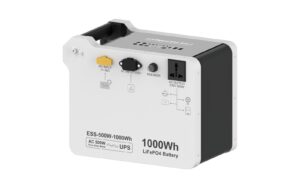
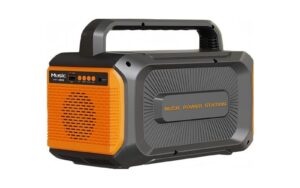
LINEX is a Shenzhen-based LiFePO4 battery manufacturer: residential ESS, telecom batteries, RV/marine batteries, portable power stations, solar home systems, with OEM/ODM support for importers worldwide.
Manufacturer Evaluation Checklist
| Check | What to ask | Red flag |
|---|---|---|
| Cell grade | Grade-A test report with capacity and IR | “Grade A” claimed without data |
| BMS | Overcurrent, over-temperature, balancing specs | No model number or datasheet |
| Testing | 100% aging or sample-based | Only a photo of a test screen |
| Certifications | UN38.3, MSDS, CE, RoHS on file | Certificates in another company name |
| Warranty | Written terms and RMA process | Verbal warranty only |
Battery Pack Manufacturing: Cells, BMS and Testing
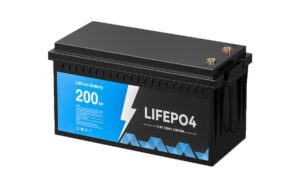
A “battery manufacturer” can mean three different things: a cell maker, a pack assembler, or a trading company with a website. Most buyers outside China need the second — a pack house that buys graded cells, builds the enclosure and BMS, and tests the finished unit.
| Stage | What to ask | Why it matters |
|---|---|---|
| Cell sourcing | Which cell brand and grade (A / A- / B)? Is there a cell test report? | B-grade cells are the main cause of early capacity loss |
| Pack assembly | Laser welding or bolted busbars? Torque and contact resistance checked? | Poor joints create heat and voltage drop under load |
| BMS | Continuous and peak current, low-temperature cutoff, communication protocol | The BMS, not the cell, usually sets the warranty limit |
| Testing | Capacity test, high-voltage test, charge/discharge cycle, aging | Ask for the test record, not just the datasheet |
| Traceability | Serial number linked to cell batch and test data | Needed for warranty claims and certification audits |
BESS and C&I Storage Projects
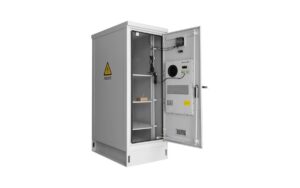
Commercial and industrial storage is a different sale from a 12V battery: the pack is one component in a system that includes a PCS, thermal management, fire suppression and a controller. Buyers usually want a rack or container partner who can document the DC side and interface cleanly with their PCS.
| Project type | Typical DC configuration | What the buyer specifies |
|---|---|---|
| Cabinet BESS (30–100 kWh) | 48V or high-voltage rack packs in an outdoor cabinet | IP rating, thermal design, fire detection, C-rate |
| Container BESS (0.5–2 MWh) | Racks in series/parallel to 800–1500V DC | Cell-to-PCS compatibility, SOC calibration, certifications |
| C&I peak shaving | 100–500 kWh behind the meter | Cycle profile, demand-charge savings, grid-code approval |
Two documents decide most C&I projects: the single-line DC diagram and the test report for the rack. If a supplier cannot produce both, the project will stall at the integrator stage regardless of price.
What to Send for a Quote
Quotes move fastest when the enquiry already contains the parameters below. Sending a photo of an old battery and a quantity is enough to start a conversation, but it usually adds two rounds of questions before pricing.
| Item | What to state |
|---|---|
| Voltage and capacity | 12V / 24V / 48V, Ah or kWh, and whether the figure is nominal or usable |
| Continuous and peak current | Load in amps or watts, plus surge duration |
| Housing | ABS case, steel case, rack 19″, cabinet, or custom |
| BMS and communication | RS485 / CAN / Bluetooth, protocol required by the inverter |
| Certifications | UN38.3, MSDS, IEC 62619, CE, or destination-specific marks |
| Volume and schedule | First order quantity, annual volume, target ship date |
Frequently Asked Questions
Ask for cell-level test data, the BMS model and datasheet, a factory audit or video walkthrough, certificates in the manufacturer name, and a written warranty with an RMA process. Sample testing before a container order is standard practice.
A factory gives better control over cells, BMS and lead time; a trading company offers a wider catalogue and smaller MOQs. What matters is whether the seller can show test data and take responsibility for defects.
It depends on the model and the level of customisation. Private label on a standard model usually needs a smaller run than a custom case or BMS; ask for both sample and production pricing.
Related reading
For the buy decision behind those quotes, read lithium battery pack vs cells. If you are buying cells rather than finished packs, run the LiFePO4 cell verification checks BMS buyers can run the battery management system checklist, and the chemistry behind the pack is covered in lithium iron phosphate battery chemistry.