48V Lithium Batteries
48V is how our telecom line works — rack batteries, pole-mount units and cabinet-ready packs, standard and smart BMS, 50Ah to 200Ah — supplied wholesale to telecom integrators, TowerCos and distributors. Same voltage your base station already speaks.
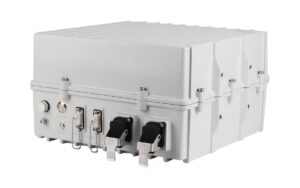 IP65 Pole-Mounted 48V 50Ah Telecom BatteryView details →
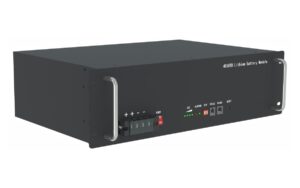 Standard 48V 50Ah LiFePO4 Battery for Telecom SitesView details →
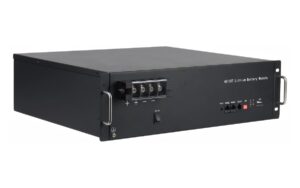 48V 100Ah Telecom LiFePO4 BatteryView details →
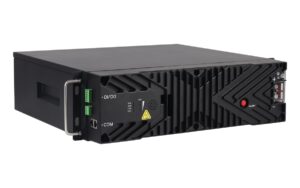 Smart 48V 100Ah Telecom LiFePO4 BatteryView details →
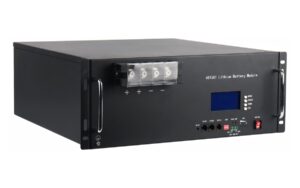 48V 150Ah Telecom LiFePO4 BatteryView details →
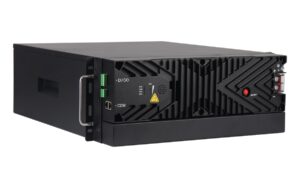 Smart 48V 150Ah Telecom LiFePO4 BatteryView details →
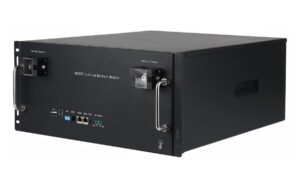 48V 200Ah Telecom LiFePO4 BatteryView details →
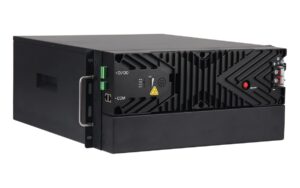 Smart 48V 200Ah Telecom LiFePO4 BatteryView details →
Compare 48V Telecom Battery Options: 50Ah, 100Ah, 150Ah and 200Ah
| Model | Energy | Max charge / discharge | Weight | Dimensions (W×D×H) | Communication |
|---|---|---|---|---|---|
| 48V 50Ah | 2.4kWh | 50A / 50A | 29kg | 483 × 325 × 133mm | RS485, RS232 |
| 48V 100Ah | 4.8kWh | 100A / 100A | 43kg | 442 × 420 × 133mm | RS485, RS232 |
| 48V 150Ah | 7.2kWh | 150A / 150A | 60kg | 482 × 440 × 178mm | RS485, RS232 |
| 48V 200Ah | 9.6kWh | 100A / 100A | 78kg | 482 × 610 × 178mm | RS485, RS232 |
Smart-BMS versions of the 100Ah, 150Ah and 200Ah are available in the same format — they add CAN bus, remote monitoring and a built-in DC-DC converter with smart boost to 57V for hybrid sites that still run lead-acid strings. For outdoor mast sites, the IP65 pole-mounted 48V 50Ah packs the same 2.4kWh into a sealed 22kg aluminum enclosure.
Rack, Wall-Mount, Pole-Mount or Cabinet? Choosing the Right Format
Telecom sites differ less in power demand than in where you can physically put the battery:
- Equipment rooms and shelters → 19-inch rack. The standard choice: 3U–4U rack batteries slot into existing racks, stack for capacity and are easy to service. Most sites run this format with 50–200Ah modules.
- Masts and poles without a cabinet → IP65 pole-mount. The 50Ah pole-mounted unit is sealed in aluminum and clamps directly to the pole — no shelter required.
- Outdoor sites without a shelter → cabinet. An IP65 outdoor cabinet (6U–26U) houses the battery and the rectifier together, with thermal management built in; indoor network cabinets cover protected rooms.
- Small indoor or CPE sites → wall-mount. Where floor and rack space are limited, wall-mounted configurations keep the battery off the floor and close to the DC plant — tell us your site type and we will confirm what fits.
Mixed fleets are common — rack modules in the equipment room, pole-mount or cabinet units at outdoor sites — and everything can be ordered in the same batch on the same BMS platform.
Standard BMS or Smart BMS?
| Standard BMS | Smart BMS | |
|---|---|---|
| Role | Pure 48V backup — the site controller does the thinking | Backup plus remote monitoring for unmanned sites |
| Communication | RS485, RS232 | CAN, RS485 |
| Monitoring | Voltage, current and SOC reported to your controller | Remote monitoring of voltage, current, SOC and cell health |
| Extras | — | Built-in DC-DC converter, smart boost to 57V, hybrid operation with lead-acid strings |
| Best for | Sites already managed by a controller | Hard-to-reach sites — spot a failing cell before the site goes dark |
Integration: RS485, RS232, CAN, Rectifiers and UPS
These are -48V DC power-system batteries: they sit on the same bus as your rectifier plant or UPS and follow standard telecom charge settings — 53.3V equalization, 51.0V float, 40.5V cutoff. The BMS reports over RS485/RS232 (standard models) or CAN (smart models), so integration is about matching the protocol list, not rebuilding the site power chain.
On hybrid sites, smart models can also run alongside an existing lead-acid string, which lets you upgrade base stations in stages instead of replacing the whole bank at once. Share your rectifier or UPS model and protocol list with your quote request and we will confirm compatibility before you order.
48V Lithium Battery Supplier & Exporter: What Buyers Check
Looking for a supply partner rather than a specification? Our 48V lithium battery supplier and export page covers the 50Ah–200Ah range, OEM/ODM terms and the documents that ship with each order.
LINEX supplies 48V LiFePO4 battery packs from Shenzhen, China and exports them to telecom integrators, TowerCos, ESS installers and distributors. The range covers rack, pole-mount and cabinet-ready units from 50Ah to 200Ah, with standard or smart BMS, OEM/private-label support and export documentation for Africa, Southeast Asia, the Middle East and South America.
Most buyers sourcing 48V lithium batteries are not choosing between products that look different on paper. They are choosing between a factory, a trading company and a marketplace listing — and the difference shows up in cell consistency, BMS configuration, documentation and what happens when a site fails. Four checks separate the three:
- Who actually builds the pack. Ask which factory assembles the battery, which cells it uses (EVE, CATL, Gotion and similar tier-one makers), and whether the BMS is configured for your rectifier or inverter protocol. A supplier that cannot name the cell source is reselling.
- Test documentation, not just certificates. UN38.3, CE and RoHS are entry tickets. Ask for capacity test data, BMS protection parameters and end-of-line inspection records for the model you are buying.
- Export experience for your market. Lithium batteries ship as Class 9 dangerous goods: UN38.3 test summary, MSDS, and a forwarder that handles lithium. Confirm who prepares the documents and which ports your supplier ships from.
- OEM and after-sales terms. Private label, custom cable lengths, protocol changes and a 5-year warranty should be agreed in writing before the first container, not after.
For a deeper vetting checklist, see 7 things importers should check in a LiFePO4 supplier, what goes into a LINEX LiFePO4 battery, and the guide to choosing a lithium battery manufacturer in China.
How to Order: MOQ, Samples, OEM and Lead Time
These batteries are supplied in wholesale and project quantities — telecom fleets, storage rollouts and distributor stock. A typical order runs like this:
- Send the project list: site count, capacity per site, bus voltage and destination.
- MOQ and quotation: flexible MOQ, confirmed per model and project — mix standard and smart models in one batch, and the quote covers batteries, racks, cabinets and DC accessories together.
- Samples: evaluation units can be arranged for new projects; timing and terms are confirmed with the quotation.
- Lead time and production: confirmed with the order based on model mix and volume, with 100% inspection of finished batteries and UN38.3 / CE documentation where applicable.
- OEM: private-label and OEM/ODM programs are available for distributors and integrators, including label and packaging options.
- Warranty: 5-year warranty on battery models, subject to the agreed operating conditions — see the warranty policy.
Request a 48V Telecom Battery Configuration
Tell us the site count, capacity per site and destination — we will reply with a recommended configuration and quotation.
Related: compare 48V 100Ah vs 200Ah, size a 48V bank for solar, or check the LiFePO4 voltage charts.
Charging a 48V Pack: Rectifier and Float Settings
Most 48V packs in the field sit behind a telecom rectifier or an off-grid inverter, not a wall charger. The settings below come from our 48V 100Ah telecom datasheet and are chosen to work with standard 53.5V rectifier plants rather than pushing the cells to the highest possible voltage.
| Parameter | Value |
|---|---|
| Nominal voltage | 51.2V |
| Equalisation / absorption | 53.3V |
| Float | 51.0V |
| Discharge cut-off | 40.5V |
| Max charge / discharge current | 100A / 100A at 25°C |
| Charging temperature | 0–65°C |
| Ingress protection | IP20 — install in a cabinet or enclosure |
An IP20 rack pack is not an outdoor product. If the site is a street cabinet or a remote hut, specify the IP65 outdoor cabinet version rather than putting a rack unit in a damp room.
48V Cable and Fuse Sizing
At 48V the current for a given load is roughly a quarter of the 12V figure, which is why 48V builds use smaller cable and cheaper breakers. The table is a starting point for continuous loads.
| Load (continuous) | Approx. DC current at 51.2V | Fuse | Cable |
|---|---|---|---|
| 3kW | ≈65A | 80A | 16mm² |
| 5kW | ≈108A | 125A | 25mm² |
| 10kW | ≈217A | 250A | 50mm² |
Use DC-rated breakers rather than AC breakers, keep the fuse or breaker within 30 cm of the pack positive, and check the pack’s own 100A limit before specifying a 10kW load on a single 100Ah unit.
Same capacity in 12V or 24V
48V is the right starting point for telecom, rack and larger off-grid builds; 12V and 24V remain easier for vehicle systems where the alternator and appliances set the voltage.
| Capacity | 12V | 24V | 48V |
|---|---|---|---|
| 100Ah | 12V 100Ah | 24V 100Ah | 48V 100Ah |
| 200Ah | 12V 200Ah | 24V 200Ah | 48V 200Ah |
Frequently asked questions
Base station backup, mostly — 48V DC is the standard bus voltage in telecom networks. These packs run 50Ah to 200Ah in rack, pole-mount or cabinet form, so they fit different site types.
Remote monitoring of voltage, current, SOC and cell health — so you can spot a failing cell before the site goes dark.
Yes — send us the site list and power budget, and we will quote battery, rack and accessories together.
LINEX supplies 48V LiFePO4 batteries in wholesale and project quantities — rack, pole-mount and cabinet formats from 50Ah to 200Ah, standard or smart BMS, with OEM and private-label options. Orders ship from Shenzhen with UN38.3 and MSDS documentation for Class 9 transport.
Yes. Those are our core export markets, along with South America. We quote FOB or CIF, prepare the export documentation, and can mix 48V batteries with cabinets and DC accessories in one shipment.
MOQ is flexible and confirmed per model and project. Evaluation samples can be arranged first, and mixed standard/smart models can ship in one batch — send the site count, capacity per site and destination for a quotation.
Both are “48V-class” batteries with different cell counts and different charge profiles. We compare them side by side in 48V vs 51.2V LiFePO4.
Planning a site? Start with choosing the right 48V battery for a base station, estimate how long a battery lasts under load, plan parallel expansion and rack layout, and size the cabinet around it.
Battery tool: convert Ah to kWh for any battery in seconds — Ah to kWh Calculator.
Need a reliable LiFePO4 battery supplier?
Wholesale pricing · OEM/ODM · Flexible MOQ · Global shipping