LiFePO4 Batteries for RV, Van Life & 4WD Off-Road
LiFePO4 batteries for RV, van and 4WD systems — standard, thin, ultra-slim and Power Hub options from 10Ah to 300Ah.
Short answer: RV and van systems are 12V or 24V. A 12V 100Ah LiFePO4 gives about 1kWh usable — enough for lights, a fridge, a laptop and Starlink for a day; 200–300Ah, or a 24V bank, suits full-time rigs with induction cooking or air-conditioning.
LiFePO4 Batteries for RV, Van and 4WD Systems
An RV lithium battery system should be selected as part of the complete electrical installation, not as an isolated lead-acid replacement. Check the charger, alternator or DC-DC charger, inverter, cable size, protection settings and available battery space before choosing capacity.
- 12V and 24V options — choose the voltage that matches the inverter, charger and DC loads
- 10Ah to 300Ah capacities — standard, thin and ultra-slim cases for different compartments
- Built-in BMS protection — model-specific current, temperature and voltage protection
- 6,000-cycle ratings — based on model specifications and stated test conditions
- Dual-battery option — the 12V 100Ah Power Hub includes an integrated 40A DC-DC charger
LiFePO4 vs AGM for RV and Van Builds
| Specification | LiFePO4 (12V 100Ah) | AGM (12V 100Ah) |
|---|---|---|
| Usable capacity | 80–90% (about 1.0–1.15 kWh) | About 50% (0.6 kWh) |
| Weight | 10–13 kg (22–29 lb) | 28–33 kg (62–73 lb) |
| Cycle life | Up to 6,000 cycles at 80% DoD | 300–500 cycles at 50% DoD |
| Charging efficiency | About 95–98% | About 80–85% |
| Maintenance | None; BMS-managed | Terminal care; water top-up on flooded types |
| Voltage under load | Stable until near end of discharge | Sags noticeably as state of charge drops |
Choose Capacity from Daily Energy Use
Add the energy used by the fridge, lights, pumps, electronics and inverter loads in watt-hours. Include conversion losses, usable depth of discharge, temperature and a reserve margin. The examples below are starting points, not fixed runtime promises.
| Installation | Starting point | Selection checks |
|---|---|---|
| Weekend van or compact camper | 12V 100Ah · 1.28kWh | Fridge, lighting, electronics, charger profile and inverter current |
| Full-time van or larger RV | 12V 200Ah · 2.56kWh | Daily Wh use, inverter size, cable current and installation space |
| Higher-power 24V system | 24V 100Ah · 2.56kWh or 24V 200Ah · 5.12kWh | All chargers, DC loads and inverter must support 24V |
| 4WD dual-battery setup | 12V 100Ah Power Hub | Alternator capacity, DC input range, cable size, fusing and solar input |
Recommended RV and 4WD Battery Models
Compare standard, thin, ultra-slim, Power Hub and 24V configurations. Confirm the electrical system and available enclosure dimensions before ordering.
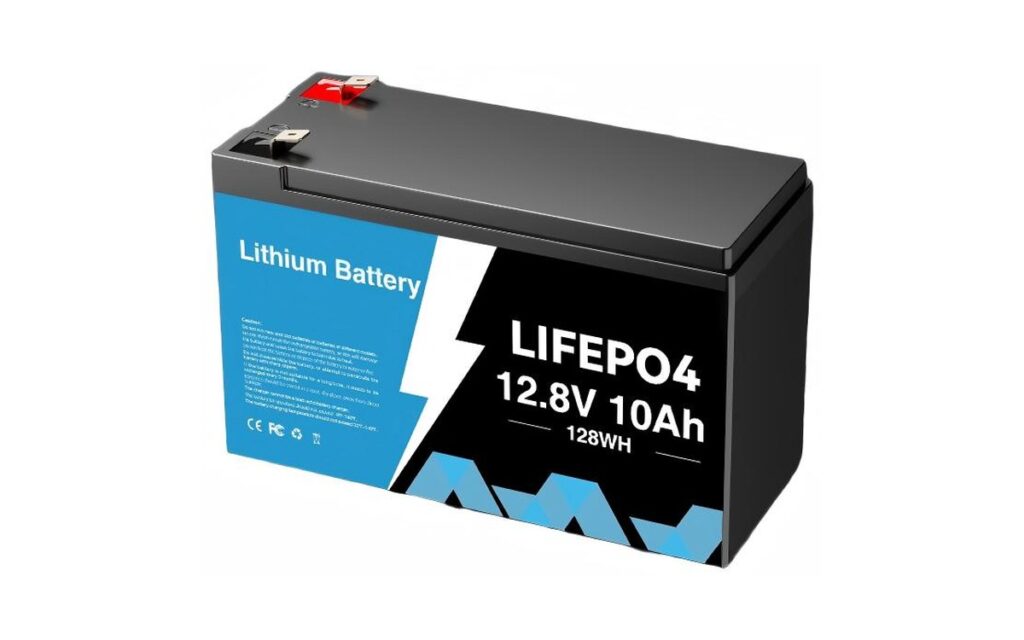 12V 10Ah LiFePO4 Compact Battery
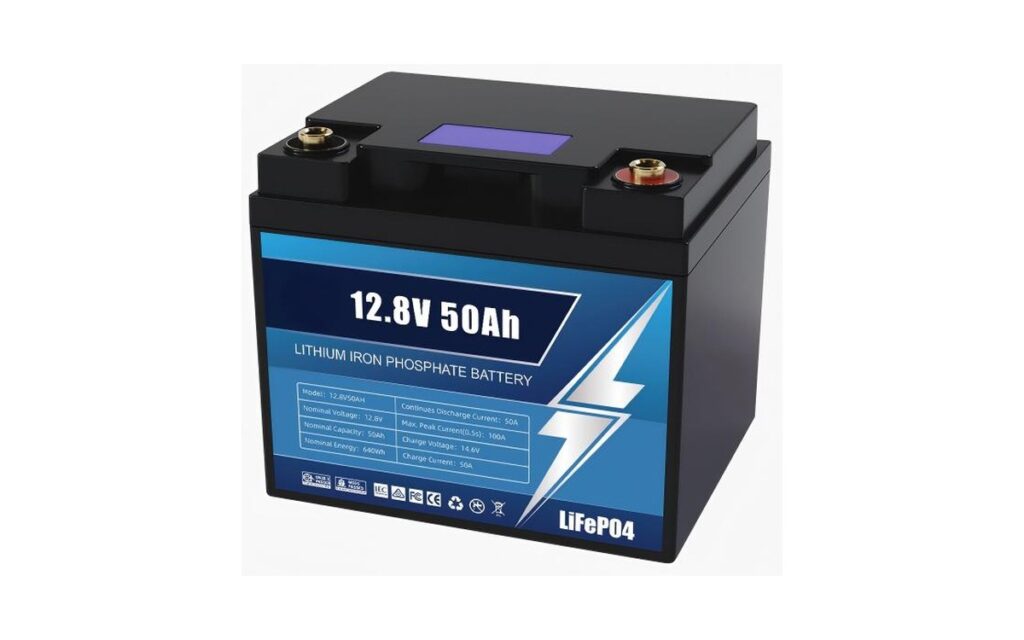 12V 50Ah LiFePO4 Deep-Cycle Battery
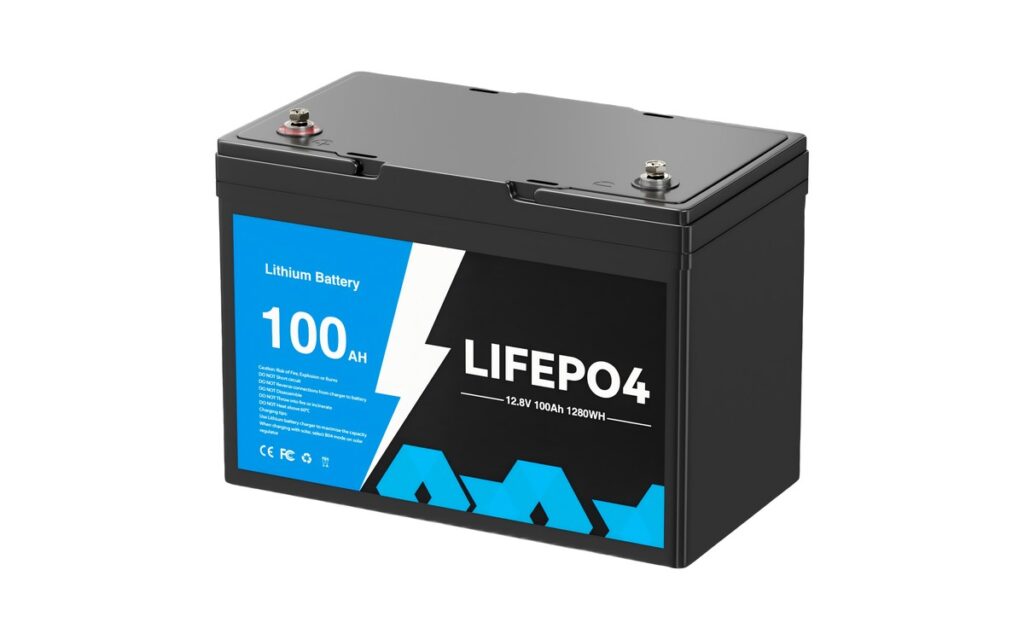 12V 100Ah LiFePO4 Battery for RV & Marine
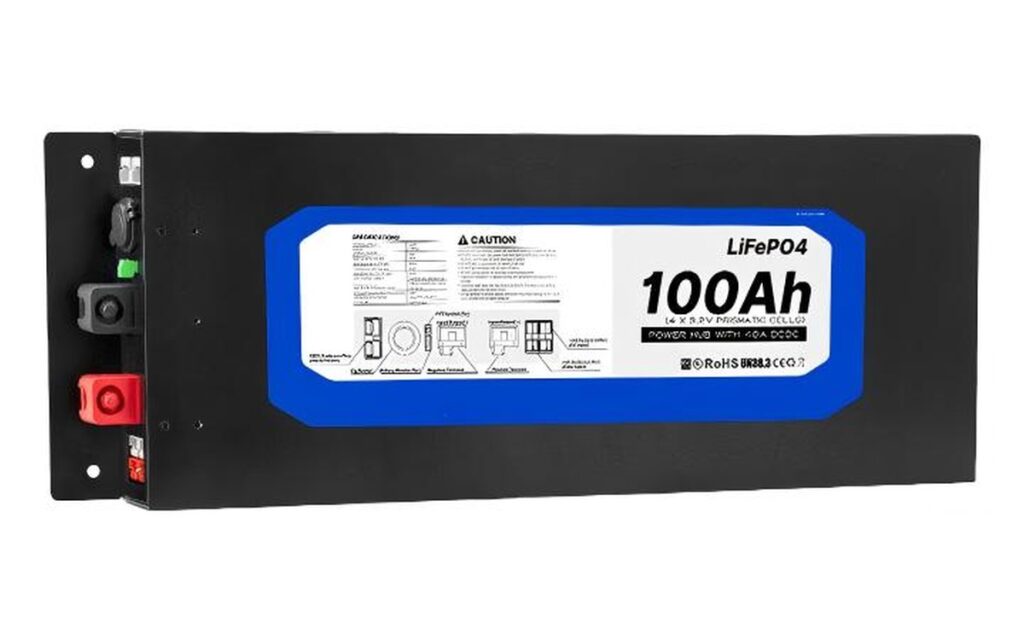 12V 100Ah Power Hub with 40A DC-DC for Van Conversions
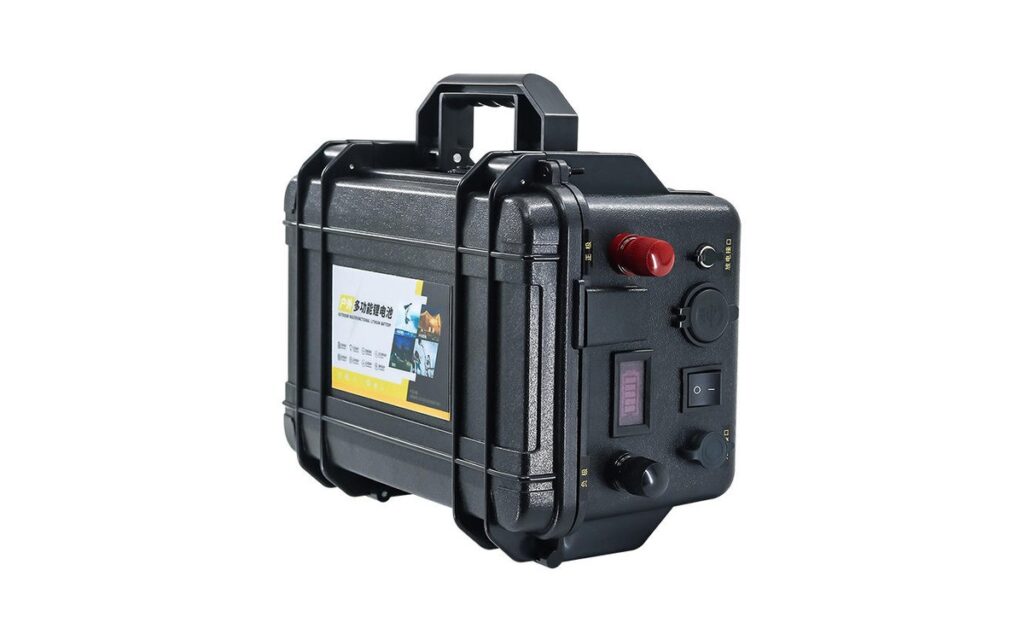 12V 100Ah Trolling Motor Battery for Boats
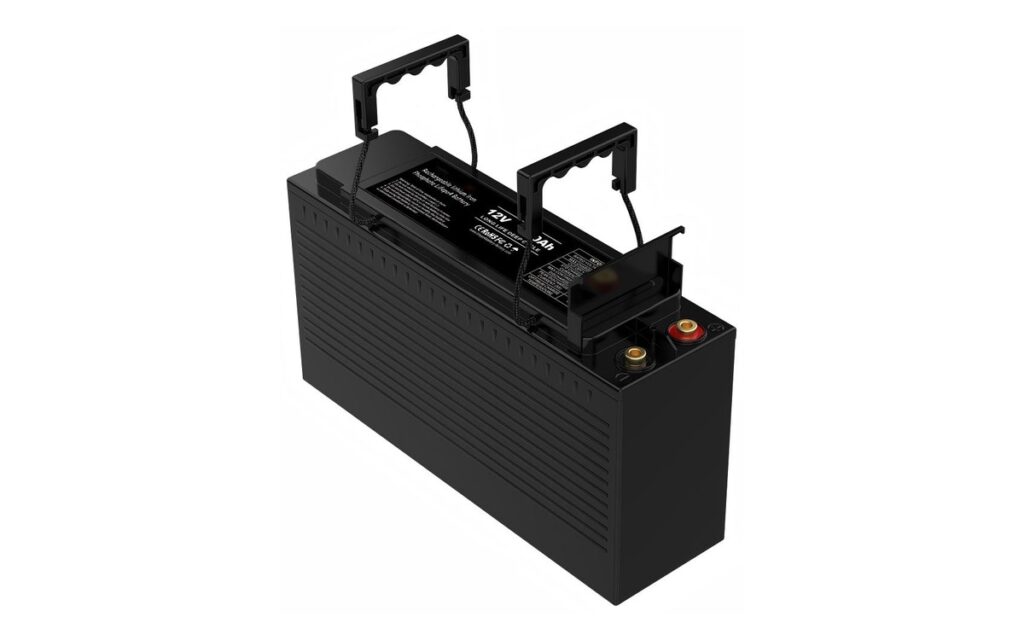 Thin 12V 100Ah LiFePO4 Battery for Narrow RV Compartments
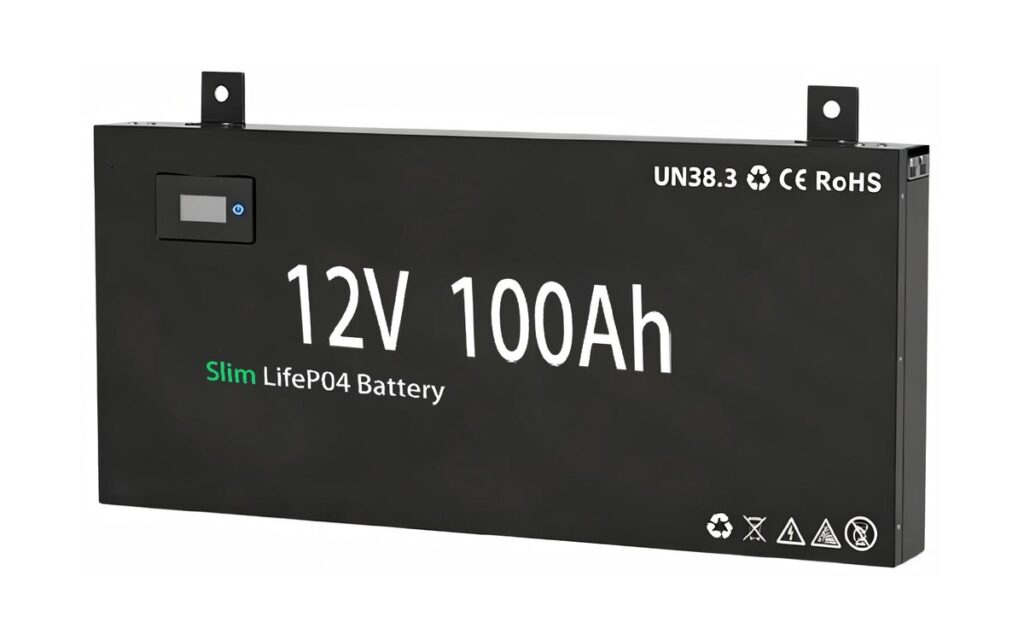 Ultra Slim 12V 100Ah LiFePO4 Battery for Tight Installations
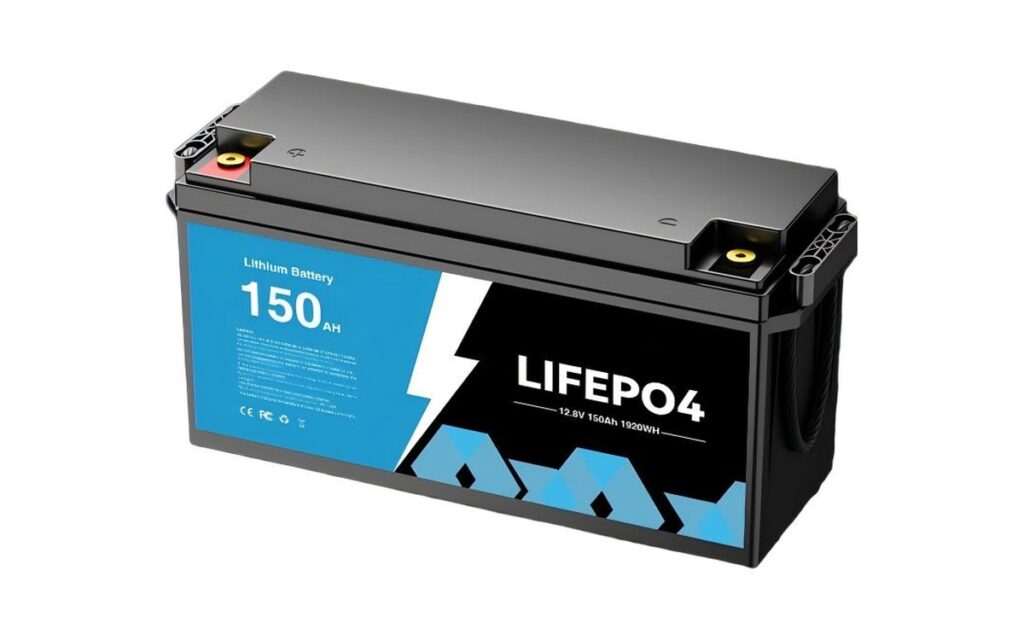 12V 150Ah LiFePO4 Deep-Cycle Battery
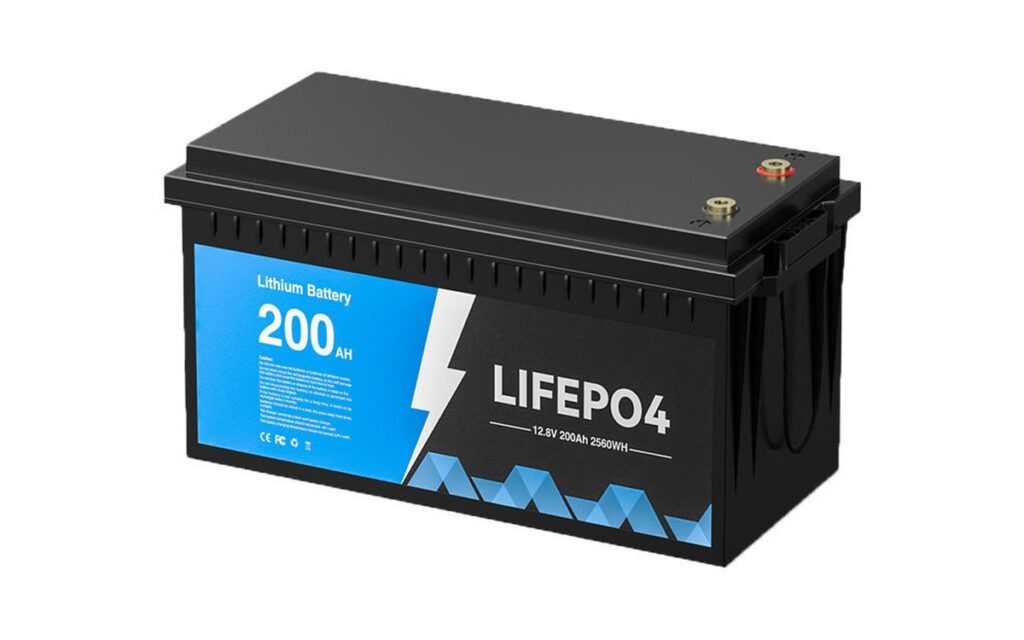 12V 200Ah LiFePO4 Deep-Cycle Battery
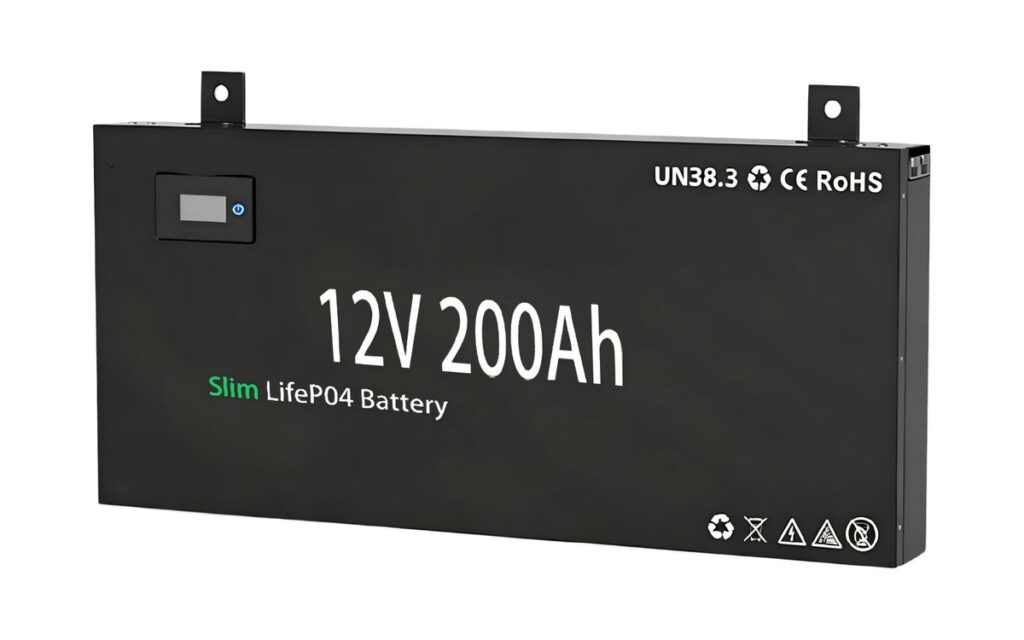 Ultra Slim 12V 200Ah LiFePO4 Battery
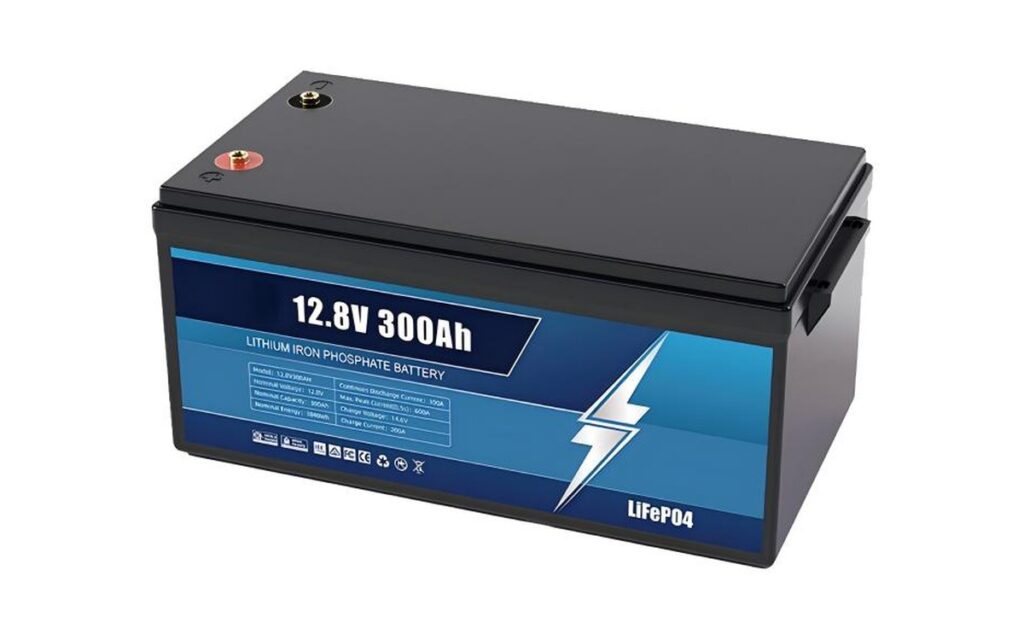 12V 300Ah LiFePO4 Deep-Cycle Battery
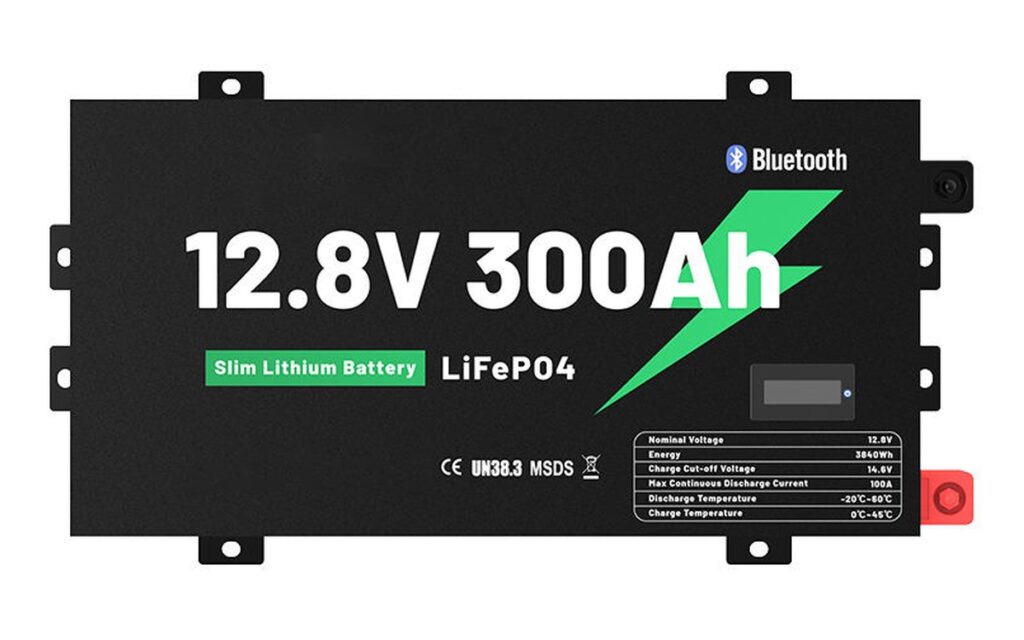 Ultra Slim 12V 300Ah LiFePO4 Battery
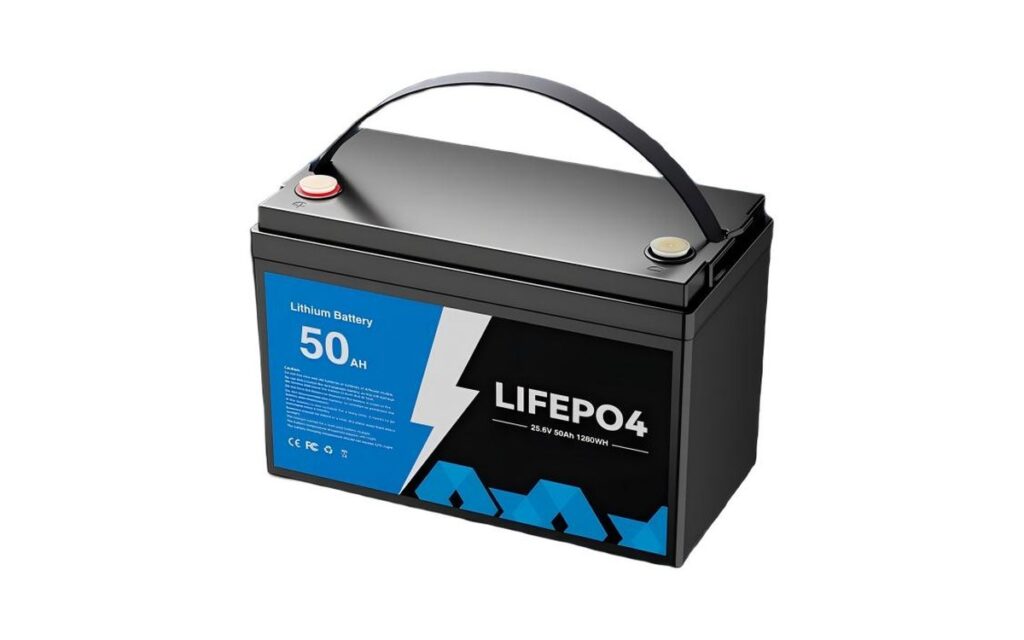 24V 50Ah LiFePO4 Deep-Cycle Battery
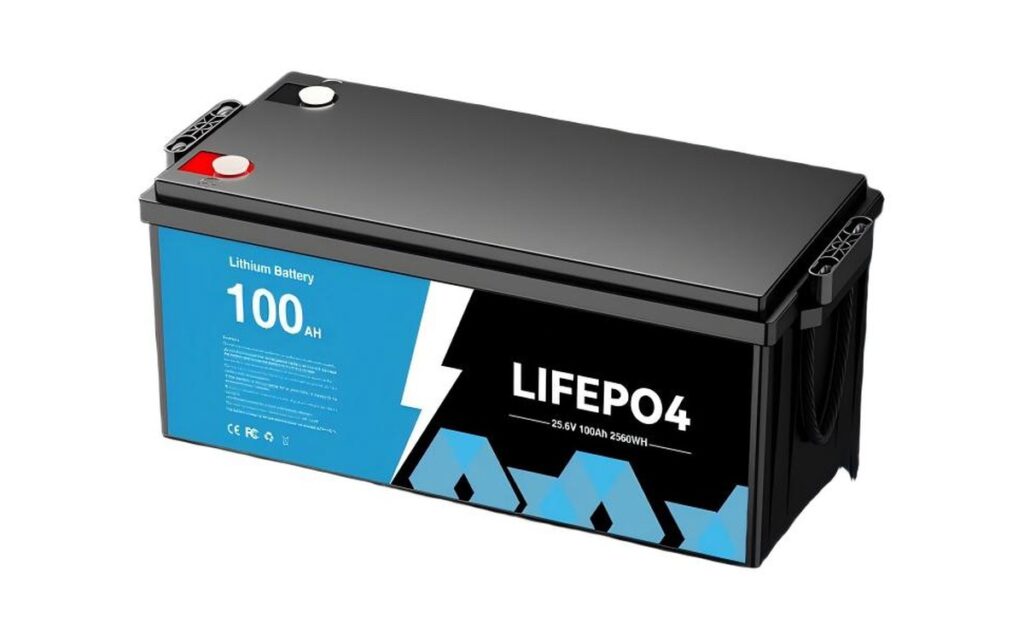 24V 100Ah LiFePO4 Deep-Cycle Battery
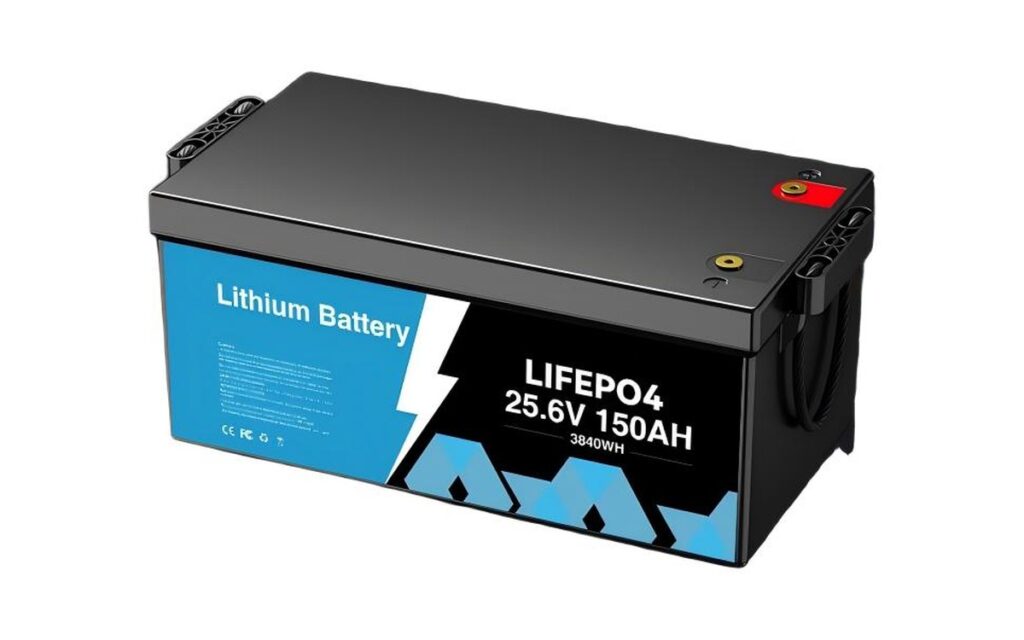 24V 150Ah LiFePO4 Deep-Cycle Battery
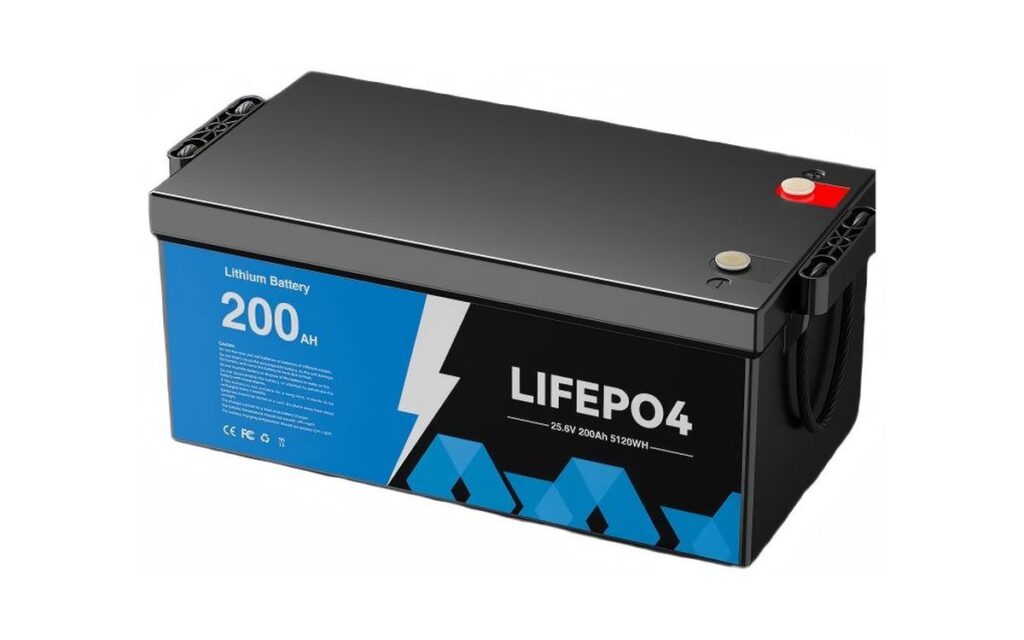 24V 200Ah LiFePO4 Deep-Cycle Battery
Caravan, Camper or Motorhome: Same Battery, Different Priorities
The terms change by market — caravan in Australia and the UK, camper or travel trailer in North America, motorhome for a coach-built unit — but the sizing question is the same: how many kilowatt-hours do you use between charges, and how fast can you put them back. The table below is a starting point for a 12V system; add 30% for inverter losses and ageing.
| Vehicle type | Typical daily use | Recommended bank | Charging that matches |
|---|---|---|---|
| Camper trailer / small caravan | 0.5–1.0 kWh | 12V 100Ah | 200W solar + 20A DC-DC |
| Caravan with compressor fridge | 1.0–1.5 kWh | 12V 100–150Ah | 300W solar + 30A DC-DC |
| Motorhome with inverter | 1.5–3.0 kWh | 12V 200–300Ah | 400W solar + 40A DC-DC + 30A shore charger |
| Full-time van conversion | 2.0–4.0 kWh | 12V 300Ah, or 2 × 200Ah in parallel | 600W solar + 40–60A DC-DC |
| 4WD / tourer | 0.5–1.2 kWh | 12V 100Ah | 200W solar + 25A DC-DC |
If the build is new and the inverter is 2,000W or larger, compare a 12V parallel bank against a native 24V system before ordering: the cable and fuse savings usually pay for the difference.
Inverter Sizing: Match the Bank to the Load
A 12V battery does not care about the inverter’s wattage label; it cares about the amps pulled from the terminals. Divide the inverter’s continuous rating by 12V and then by roughly 0.9 for efficiency, and compare that number with the BMS continuous rating of the bank.
| Inverter (continuous) | Approx. DC current at 12V | Bank that stays within limits | Fuse / cable starting point |
|---|---|---|---|
| 1,000W | ≈93A | 1 × 12V 100Ah (100A BMS) | 125A fuse, 25mm² |
| 2,000W | ≈185A | 2 × 12V 100Ah in parallel (200A total) | 250A fuse, 50mm² |
| 3,000W | ≈278A | 3 × 12V 100Ah, or a 24V/48V system | 350A fuse, 70mm² |
These are design starting points, not a wiring certificate. Keep cable runs short, fuse at the battery positive, and check the inverter’s surge rating separately — a compressor fridge or an induction hob can pull double the continuous figure for a second or two.
100Ah vs 200Ah: Which Fits Your Build?
Both models use the same BMS logic and the same 100A continuous limit; the difference is energy, weight and footprint. Two 100Ah units in parallel give 200Ah with redundancy — if one BMS trips, the other keeps the fridge running — while a single 200Ah is simpler to wire and leaves one set of terminals to maintain.
| Spec | 12V 100Ah | 12V 200Ah |
|---|---|---|
| Rated energy | 1.28 kWh | 2.56 kWh |
| Weight | ≈10 kg | ≈22 kg |
| Dimensions (L × W × H) | 332 × 172 × 218 mm | 524 × 245 × 220 mm |
| Continuous discharge | 100A (1,280W) | 100A (2,560W) |
| Typical fit | Camper trailer, 4WD, single-fridge caravan | Motorhome, full-time van, 2,000W inverter with a second unit |
| Parallel option | 2 units = 200Ah with redundancy | 2 units = 400Ah for large builds |
Measure the compartment before choosing: the 200Ah is 524 mm long and needs a tray of its own, while the 100Ah fits many Group 31 footprints at 332 mm. Full case dimensions are on the battery types and sizes page.
RV Lithium Battery FAQ
Only after checking the physical size, terminals, charger profile, alternator or DC-DC charging, inverter settings, low-voltage protection and maximum current. A similar case size does not confirm electrical compatibility.
Use a lithium-compatible alternator strategy or an appropriate DC-DC charger. The Power Hub includes a 40A DC-DC charger, but input voltage, alternator capacity, cable size and fusing must still be verified.
Add daily energy use in watt-hours, include inverter and wiring losses, then add reserve for temperature and unexpected loads. Divide required Wh by system voltage for an initial Ah estimate.
Match the voltage to the inverter, charger and DC appliances. A 24V system reduces current for the same power but every connected device must be compatible with 24V.
Confirm that the charger supports the selected battery’s voltage and charging profile. The 12.8V 100Ah and 200Ah models specify 14.6V fast charging and 13.5-13.8V standby or float charging.
Use the published dimensions to compare standard, thin and ultra-slim models. Allow space for terminals, cables, ventilation, mounting and service access rather than selecting only from nominal capacity.
Only when the selected model and BMS support the planned configuration. Use identical batteries with matched age and state of charge, equal cable paths and correctly sized protection.
Provide the system voltage, daily loads, inverter size, charger and alternator details, available battery dimensions, terminal preference, quantity and destination.
RV or boat? The installation requirements differ — see lithium battery for RV vs marine before specifying a bank.
Most caravans stay at 12V because the fridge, lights, pump and DC-DC chargers are all 12V. Move to 24V when the inverter is 2,000W or larger, or when cable runs are long — the lower current lets you use thinner cable and a smaller fuse.
No. A 2,000W inverter pulls about 185A at 12V, while the 100Ah model has a 100A continuous BMS. Use two 100Ah units in parallel, a 200Ah plus a second unit, or a native 24V pack.
A typical 45–60W compressor fridge draws 0.5–0.8 kWh per day in moderate weather, so a 2.56 kWh 200Ah bank covers roughly three days without charging, less in hot weather or with a second fridge.
Related RV Battery Resources
Browse all 12V and 24V deep-cycle battery models. For system planning, read the RV lithium battery upgrade checklist, the 12V vs 24V RV battery guide, and the 12V 100Ah fit and runtime guide. For a lead-acid replacement, read the travel trailer battery upgrade guide. For Australian 12V, solar and DC-DC planning, read the caravan battery guide. To compare packs without brand bias, read the best RV battery comparison guide. For inverter current and BMS limits, read the RV inverter sizing guide. For campervan system voltage, read the campervan 12V versus 24V guide. For one 200Ah versus two 100Ah packs, read the motorhome battery comparison.
Need a reliable LiFePO4 battery supplier?
Wholesale pricing · OEM/ODM · Flexible MOQ · Global shipping